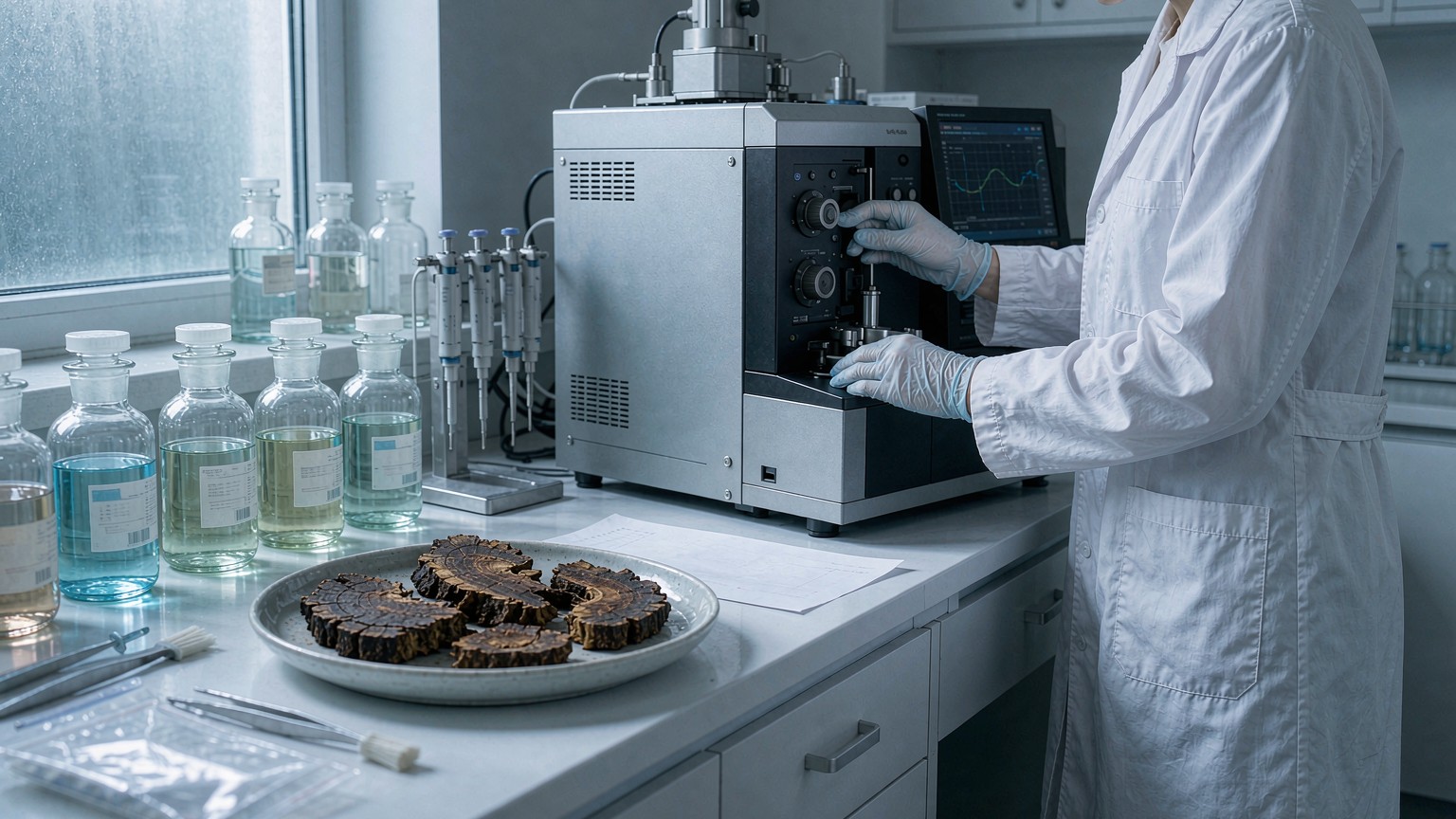
World's First International Standard for Herbal Reference Materials Released, Giving Agarwood Authentication a Global Yardstick
· 2026-11-24· 中国沉香网编辑· 0 views
A Global Yardstick for Authenticating Aromatic Materials
According to China's State Administration for Market Regulation on November 9, ISO 24825, the general protocol for establishing reference materials of traditional Chinese medicine herbs led by China, has been officially released as the world's first international standard for herbal reference materials. A reference material is a certified substance with known composition and quantified values — the yardstick laboratories use to judge whether a batch of agarwood truly contains agarotetrol at compliant levels. The standard builds a full-chain technical system of "standard herbs — standard extracts — reference substances," unifying raw material selection, preparation, property testing, identification methods, packaging and storage.
Reducing Quality Disputes in Cross-Border Trade of Precious Aromatics
For the agarwood industry, the significance lies in making test conclusions verifiable and mutually recognized. Current authentication relies on GC-MS, HPLC quantification of agarotetrol, and microscopic species identification, but inconsistent reference materials across laboratories have long been a root cause of trade disputes. Industry watchers expect internationally unified reference materials to enable "same yardstick, same standard" testing for import and export of precious aromatic materials, improving trust in traceable transactions. Note: all Aquilaria species are listed in CITES Appendix II, and international trade requires legal import/export permits.
This article is an industry observation and popular-science compilation and does not constitute any trading or investment advice. Please purchase agarwood through legal channels and verify traceable, testable sources.
Compiled from industry information; not trading or investment advice.
Frequently Asked Questions
What is World's First International Standard for Herbal Reference Materials Released, Giving Agarwood Authentication a Global Yardstick?
On November 9, China's market regulator announced that ISO 24825, the general protocol for establishing traditional Chinese medicine herbal reference materials led by China, was officially published as the world's first international standard in this field, directly supporting authenticity testing of agarwood and other precious aromatic materials.
How should I choose agarwood?
Buy from traceable, testable channels and match the form (incense, beads, raw wood) to your use. Avoid exaggerated claims such as "wild" or "sinking grade" without proof, and prefer products with lab reports and origin documentation.
How should agarwood be stored and maintained?
Agarwood dislikes moisture, odours and direct sunlight. Keep it sealed, dark and cool, store different origins separately, and air and inspect long-stored pieces periodically against mould and insects.
How can I tell real agarwood from fake?
Authentication combines sensory checks with technical ones: natural agarwood has a clean, long-lasting, cool-sweet scent and burns with pale, non-pungent smoke. GC-MS analysis of characteristic compounds (chromones, sesquiterpenes) adds objective confirmation. Buying through traceable channels with certificates lowers the risk.
How do agarwood origins differ?
Climate, tree species and resin-induction methods give each origin a distinct scent profile — for example Hainan tends to be clean and elegant, Vietnam sweet and cool, Indonesia deep and full. Origin is a key factor in grading and pricing.
What is the current agarwood market like?
Prices diverge sharply by resin density, origin and form, with both top-end collectibles and entry-level consumer products active. Use actual transactions from legal, testable channels as reference rather than a single quotation.
What is the relationship between agarwood and incense culture?
Agarwood is the core medium of East Asian incense culture, spanning temple offerings, literati gatherings and contemporary lifestyle aesthetics. Understanding this cultural background helps explain its value.
Does agarwood have health benefits?
Traditionally agarwood has been used for calming and sleep-related rituals, but evidence quality and dosage need careful reading. Keep traditional use and scientific evidence clearly separated and follow professional guidance.
参考资料
Related reading

Related Agarwood Picks
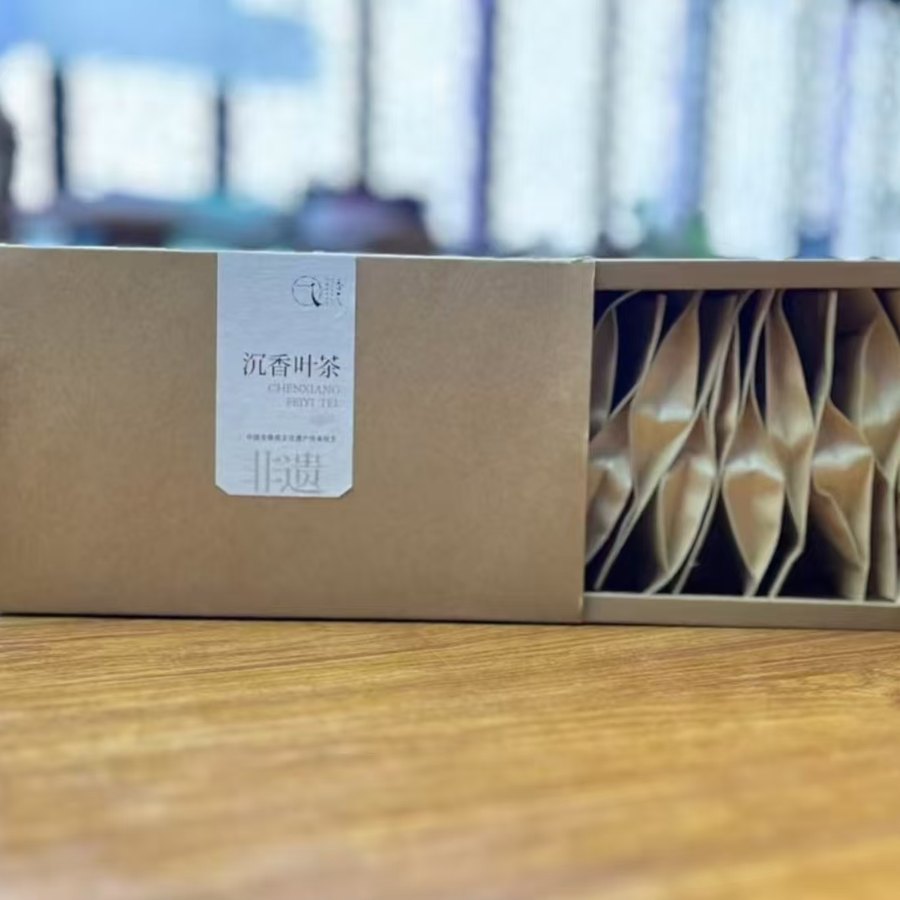
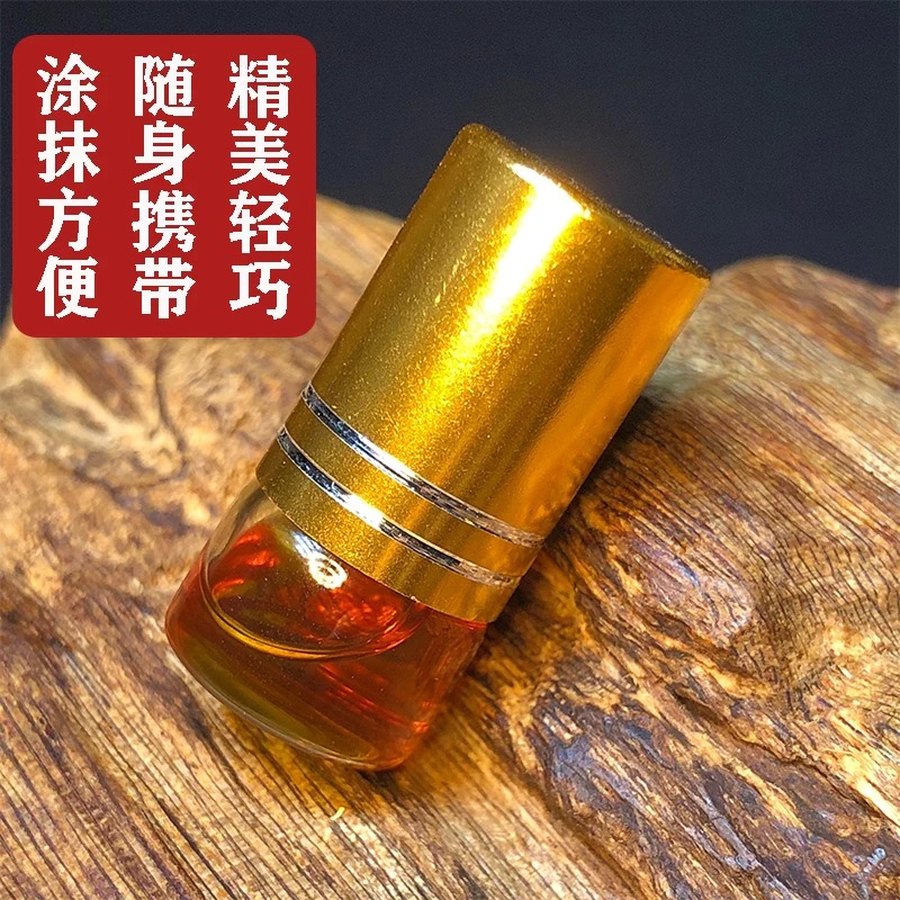
While reading, you might also like these compliant cultivated-agarwood products.
Visit Mall
评论区
评论匿名可浏览,登录后可发表;提交后先审后显。
评论加载中…
Check related market data
Want the reference price for this category? Compare on the market page.
Go to market