Chinese Medicinal Market Quotes Agarwood Bulk Grade at CNY 220/kg: Origin Provenance and Testing Backing Widen the Price Gap
· 2026-10-12· 中国沉香网编辑· 156 views
A modest uptick in bulk-grade quotes
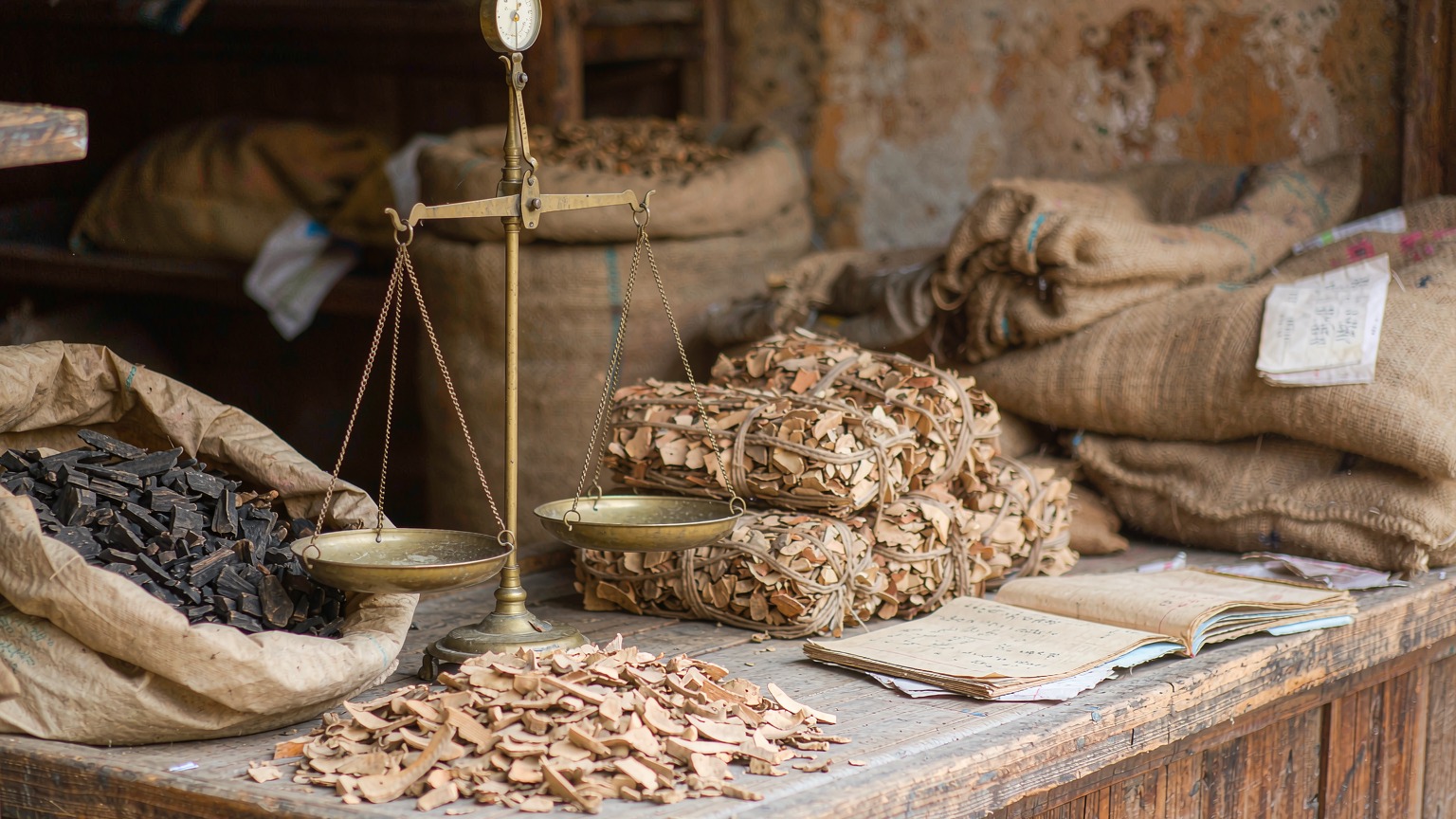
According to pricing pages on the Zhongyaocai Tiandi platform, bulk-grade agarwood crude drug was quoted at CNY 220.00 per kilogram as of Oct 12, 2026, while the platform's Oct 8 page showed CNY 200.00 per kilogram. Converted, that is roughly CNY 0.2 per gram — orders of magnitude away from the hundreds to tens of thousands of yuan per gram routinely seen in collector-grade aromatic material. The two markets cannot be conflated. “Bulk grade” refers to ungraded batches of raw crude drug intended for decoction pieces, extraction processing or incense-stick feedstock, and its price mainly tracks supply and demand on the pharmaceutical and daily-chemical raw-material side.
Origin and testing documentation create visible spreads
Concurrent listings on the same platform make the differences concrete: Hainan-origin qualified bulk grade around CNY 240/kg; full-tested Hainan Haikou supply around CNY 180/kg; full-tested Taiwan-origin supply around CNY 180/kg; and overseas origin around CNY 140-145/kg. Whether a lot carries full third-party testing or pharmacopoeia-compliant inspection paperwork, together with whether provenance is clearly traceable, shows up directly in the price. For buyers, the lesson is that documentation is not an optional add-on — it is part of the cost, even when the goods are nominally the same agarwood chips.
How to read these numbers
Three caveats matter. First, this platform quotes pharmaceutical raw materials for bulk wholesale supply; it cannot be used to infer prices for collector-grade, water-sinking material or kynam. Second, listed prices across batches and specifications on the same platform vary widely, and actual transactions are bilaterally negotiated, so quotes are indicative only. Third, all Aquilaria species are listed under CITES Appendix II: cross-border trade requires the corresponding import and export permits, and domestic circulation should also rest on lawful proof of origin. Understanding these three points matters far more than watching a single price figure.
This article is an industry observation and educational summary. It does not constitute trading or investment advice. Purchase agarwood only through legal channels with traceable, testable provenance.
Compiled from industry information; not trading or investment advice.
Frequently Asked Questions
What is Chinese Medicinal Market Quotes Agarwood Bulk Grade at CNY 220/kg?
Price data from the Zhongyaocai Tiandi (Chinese herbal medicine) market platform shows that as of Oct 12, 2026, bulk-grade agarwood crude drug was quoted at CNY 220.00 per kilogram, up from CNY 200.00 per kilogram shown on Oct 8. Listings on the same platform quote Hainan-origin qualified bulk grade at around CNY 240/kg while overseas supply runs CNY 140–145/kg, illustrating how provenance and testing documentation translate into visible premiums. Note that this medicinal raw-material pricing follows a completely different logic from the per-gram market for collector-grade agarwood.
What is the current agarwood market like?
Prices diverge sharply by resin density, origin and form, with both top-end collectibles and entry-level consumer products active. Use actual transactions from legal, testable channels as reference rather than a single quotation.
What factors drive agarwood prices?
Resin content, origin, form (raw wood, carved pieces, beads) and traceability dominate pricing. Within one origin, top sinking-grade pieces can cost dozens of times more than entry grades, so testing is essential.
How should I choose agarwood?
Buy from traceable, testable channels and match the form (incense, beads, raw wood) to your use. Avoid exaggerated claims such as "wild" or "sinking grade" without proof, and prefer products with lab reports and origin documentation.
How should agarwood be stored and maintained?
Agarwood dislikes moisture, odours and direct sunlight. Keep it sealed, dark and cool, store different origins separately, and air and inspect long-stored pieces periodically against mould and insects.
How can I tell real agarwood from fake?
Authentication combines sensory checks with technical ones: natural agarwood has a clean, long-lasting, cool-sweet scent and burns with pale, non-pungent smoke. GC-MS analysis of characteristic compounds (chromones, sesquiterpenes) adds objective confirmation. Buying through traceable channels with certificates lowers the risk.
How do agarwood origins differ?
Climate, tree species and resin-induction methods give each origin a distinct scent profile — for example Hainan tends to be clean and elegant, Vietnam sweet and cool, Indonesia deep and full. Origin is a key factor in grading and pricing.
What is the relationship between agarwood and incense culture?
Agarwood is the core medium of East Asian incense culture, spanning temple offerings, literati gatherings and contemporary lifestyle aesthetics. Understanding this cultural background helps explain its value.
This is an aggregated digest. Original source:View original()
参考资料
Related reading
Related Agarwood Picks
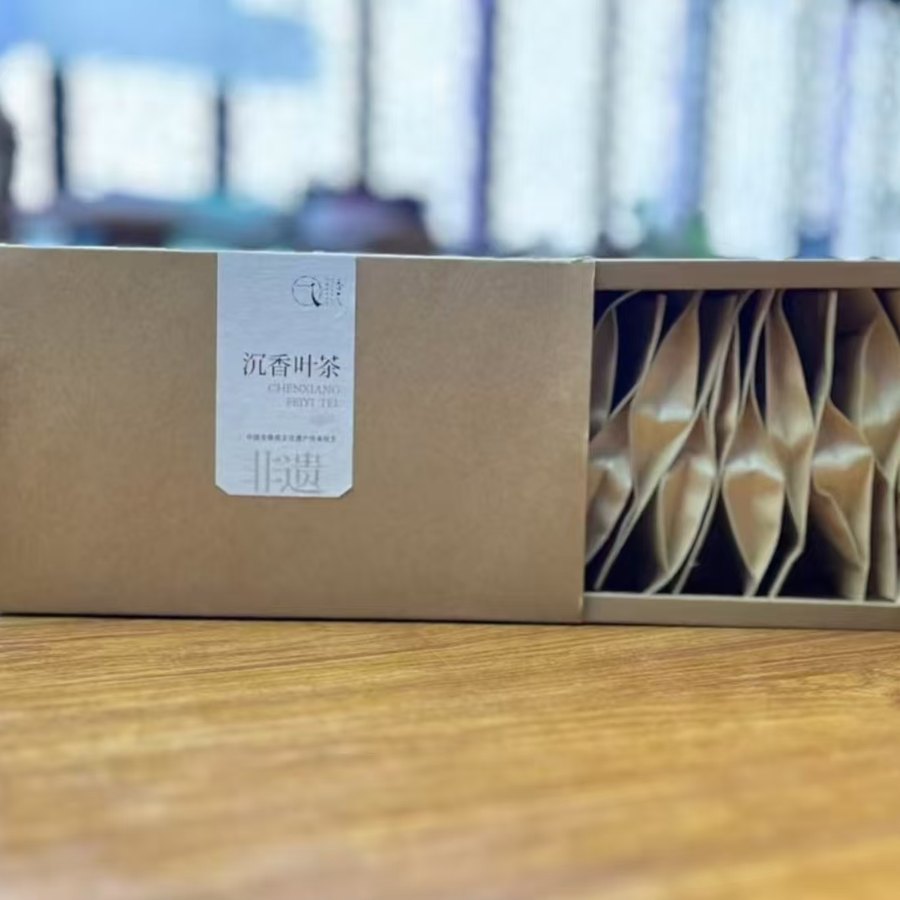
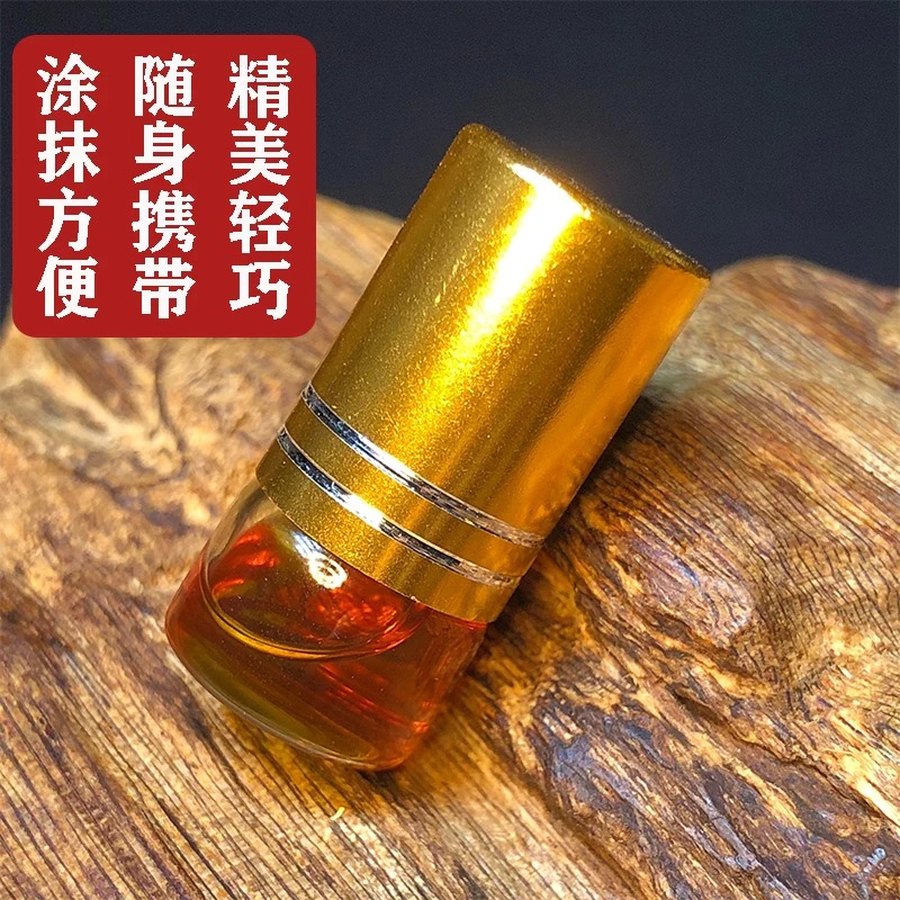
While reading, you might also like these compliant cultivated-agarwood products.
Visit Mall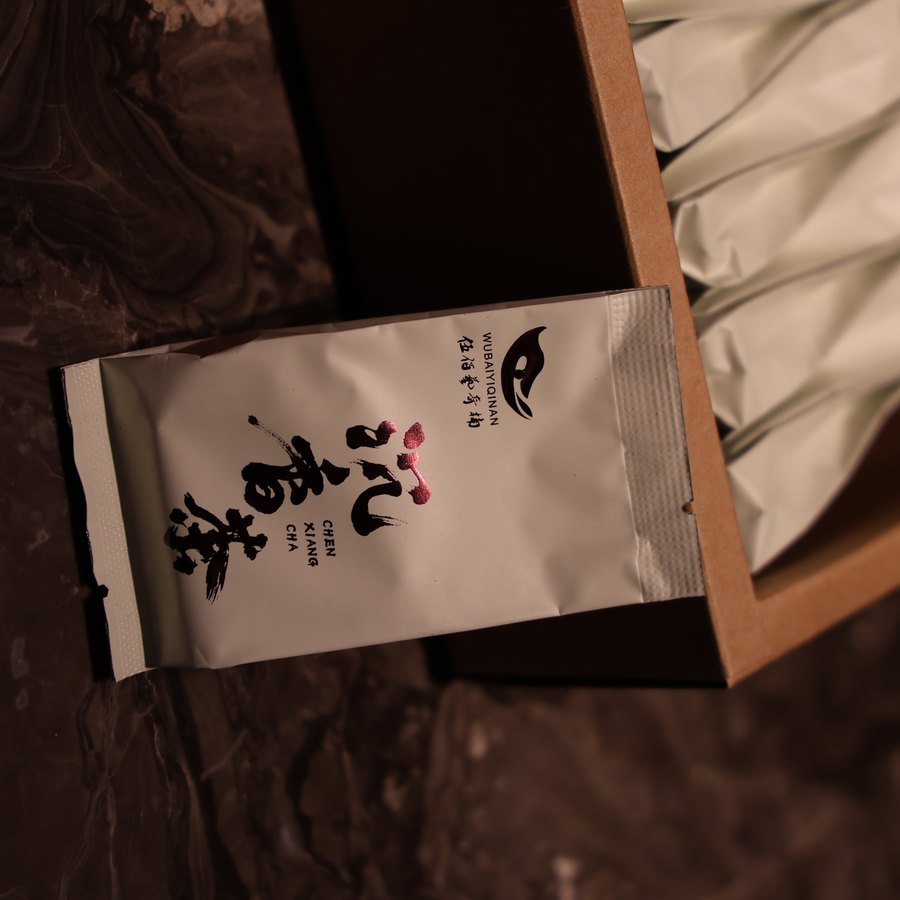
评论区
评论匿名可浏览,登录后可发表;提交后先审后显。
评论加载中…
Check related market data
Want the reference price for this category? Compare on the market page.
Go to market