Guangdong's 700,000-Mu Agarwood Planting Special: Why Domestic Plantation Agarwood Deserves Attention
Source:收稿桥投稿· 2026-10-27· 伍佰艺编辑部· 5 views
Guangdong's 700,000-Mu Agarwood Planting Special: Why Domestic Plantation Agarwood Deserves Attention
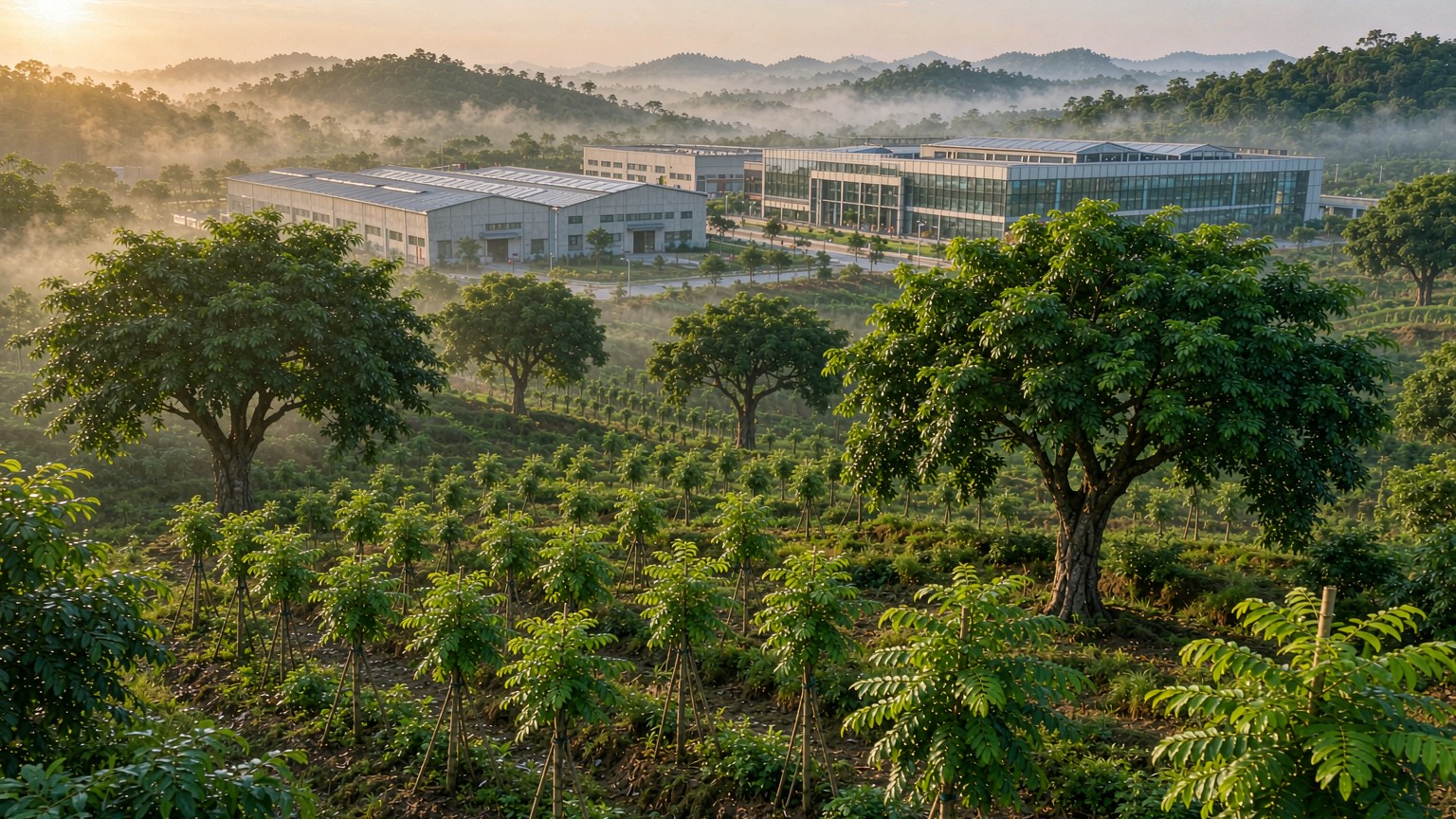
When discussing agarwood, many people fixate only on "Vietnamese material and Indonesian material," overlooking a rapidly growing segment—domestic plantation. The planted area of Aquilaria sinensis across Guangdong has reached the hundreds of thousands of mu level, with Dongguan, Dianbai, Huazhou, and Gaoyao forming industrial clusters; "Guangdong's 700,000 mu" is turning from a slogan into a market fact. This article clarifies the industrial, technical, and market dimensions of domestic plantation agarwood in one go.
I. Planting Distribution: How Industrial Clusters Grew
| Region | Characteristics | Industrial Positioning |
|---|---|---|
| Dongguan | Millennium Guanxiang history, "Guanxiang" geographical indication | Cultural brand + city名片 |
| Maoming Dianbai | One of the country's largest agarwood collection and processing hubs | Full chain: planting + processing + trading |
| Huazhou, Gaoyao, etc. | Large-scale planting bases | Raw material supply + seedling output |
Industrial logic: Once the planting end reaches scale, the four downstream outlets—fragrance materials, herbal decoction pieces, daily chemicals, and cultural collectibles—open simultaneously. This is a value logic completely different from "speculating on old material": what it sells is sustainable supply.
II. Technical Dimension: Artificial Resin Formation Makes "Ten-Year Maturity" Possible
Wild agarwood has an extremely low resin formation rate, relying on accidental events such as lightning strikes, insect damage, and fungal infection. Artificial resin formation technology turns the accidental into the inevitable:
1. Physical methods: wounding, drilling, burning branches to induce defensive secretion by the tree
2. Biological methods (mainstream): inoculating resin-inducing fungi (such as certain strains like Fusarium-like species), directionally inducing along vascular tissues, achieving whole-tree resin formation in 2–3 years
3. Whole-tree resin formation technology: the infusion method promoted by institutions such as the Chinese Academy of Tropical Agricultural Sciences, with multi-point inoculation across the entire tree, uniform resin formation and high efficiency—the main process at Guangdong planting bases
Quality baseline: Regardless of the process, the Chinese Pharmacopoeia standard remains unchanged—alcohol-soluble extractives ≥10.0%, and the characteristic chromatogram must meet specifications. Plantation material can fully meet the standard; "plantation = inferior" is an outdated impression.
III. Market Dimension: Two-Column Pricing—Distinguish Before Negotiating
The two-column market design on this site is precisely for this purpose:
- **Column 1 "Foreign Raw Materials and Traditional Aquilaria sinensis"**: scarcity/collectible perspective, looking at production areas (Tarakan, Nha Trang, Brunei...), with prices driven by scarcity
- **Column 2 "Domestic Plantation"**: Xinhua Index plantation perspective, with prices driven by output, grade, and demand curves—small fluctuations, high transparency
What it means for buyers: For daily incense use, cost-effectiveness, and stable supply, look at Column 2; for collection and appreciation, chasing production-area stories, look at Column 1. The two perspectives do not overlap and cannot be directly compared—using plantation material prices to bargain down collectible material, or vice versa, is a common negotiation trap.
IV. Purchasing Advice: How to Buy Plantation Material Without Pitfalls
1. Check testing: Require a CMA-accredited test report, focusing on alcohol-soluble extractives and characteristic chromatogram
2. Check process: Whole-tree resin formation material has evenly distributed oil lines; be wary of "half-black half-white" boundary material that may be manually smeared
3. Check use: For incense and incense-stick raw materials, plantation material offers the best value; for powder used in medicine, adhere to Pharmacopoeia standards
4. Avoid pitfalls: Beware of "wild old material" stories selling at plantation material prices—plantation material itself is an honest, good product; passing it off as wild loses on both ends
Frequently Asked Questions
Q: How much do plantation and wild agarwood differ in medicinal efficacy/aroma profile?
A: Compliant plantation material tracks the same Pharmacopoeia indicators as wild material; in aroma profile, wild old material has more complex layers, but for daily incense appreciation, the clean, sweet, cool aroma of plantation material is already sufficient—while the price gap may exceed tenfold.
Q: Is the "Guangdong 700,000 mu" figure reliable?
A: The hundreds of thousands of mu level is a consensus range across multiple reports and industry sources; specific figures fluctuate with statistical scope (whether seedling forests are included). The key is not the absolute number but the fact that "the supply side has already reached scale."
Q: Will plantation material depreciate?
A: Plantation material is positioned as a consumer product rather than a collectible, valued for use value and supply stability; expecting it to appreciate like wild qinan is using the wrong coordinate system.
---
Related Reading
- "The Three Major Agarwood Aroma Families Explained: How to Distinguish Guanxiang, Hui'an, and Xingzhou"
- "Full Interpretation of the Agarwood Monograph in the 2025 Edition of the Chinese Pharmacopoeia"
- "Agarwood Resin Formation Principles and Artificial Resin Formation Technology"
*This article is original content from China Agarwood Network. Planting area and industry data come from public reports and industry sources; market prices fluctuate and are for reference only.*
Compiled from industry information; not trading or investment advice.
常见问题
Guangdong's 700,000-Mu Agarwood Planting Special是什么?
Aquilaria sinensis planting in Guangdong has reached the hundreds of thousands of mu level: industrial clusters, whole-tree resin formation and other artificial techniques, Pharmacopoeia quality baselines, and domestic plantation market pricing explained.
沉香怎么选购?
选购沉香应认准可溯源、可检测的渠道,按用途选择形态(线香 / 手串 / 原料),不盲目追高、不轻信「野生」「沉水」等夸大宣传;优先选择带检测报告与来源凭证的商品。
沉香如何保养?
沉香怕潮、怕串味、怕暴晒,应密封、避光、阴凉存放,不同产区分开保存;长期不用的香材定期通风检查,防霉防虫。
如何鉴别沉香的真假?
鉴别沉香需综合感官与辅助手段:天然沉香香气清雅、持久、凉甜交织,燃烧烟气清白而非刺鼻;可结合 GC-MS 色谱检测特征成分(色酮、倍半萜)。建议通过可信渠道与可溯源凭证降低风险。
不同产区沉香有什么区别?
各产区因气候、树种与结香方式差异,香韵各具特色(如海南清雅、越南甜凉、印尼醇厚),是沉香分级与定价的重要参考维度。
沉香价格行情如何?
沉香行情随结香程度、产区、形态分化明显,顶级收藏与入门消费两端活跃;建议以合法、可检测渠道的实际成交为参考,勿轻信单一报价。
沉香与香道文化有什么关系?
沉香是东亚香道文化的核心媒介,从礼佛、文人雅集到当代生活美学,承载「静心、慢享」的东方审美,理解文化背景有助于读懂沉香价值。
沉香有健康功效吗?
传统上沉香被用于舒缓、助眠等场景,但证据等级与用量需谨慎看待;把「传统用法」与「科学证据」分开表述,具体以专业指导为准。
参考资料
Related reading

Related Agarwood Picks
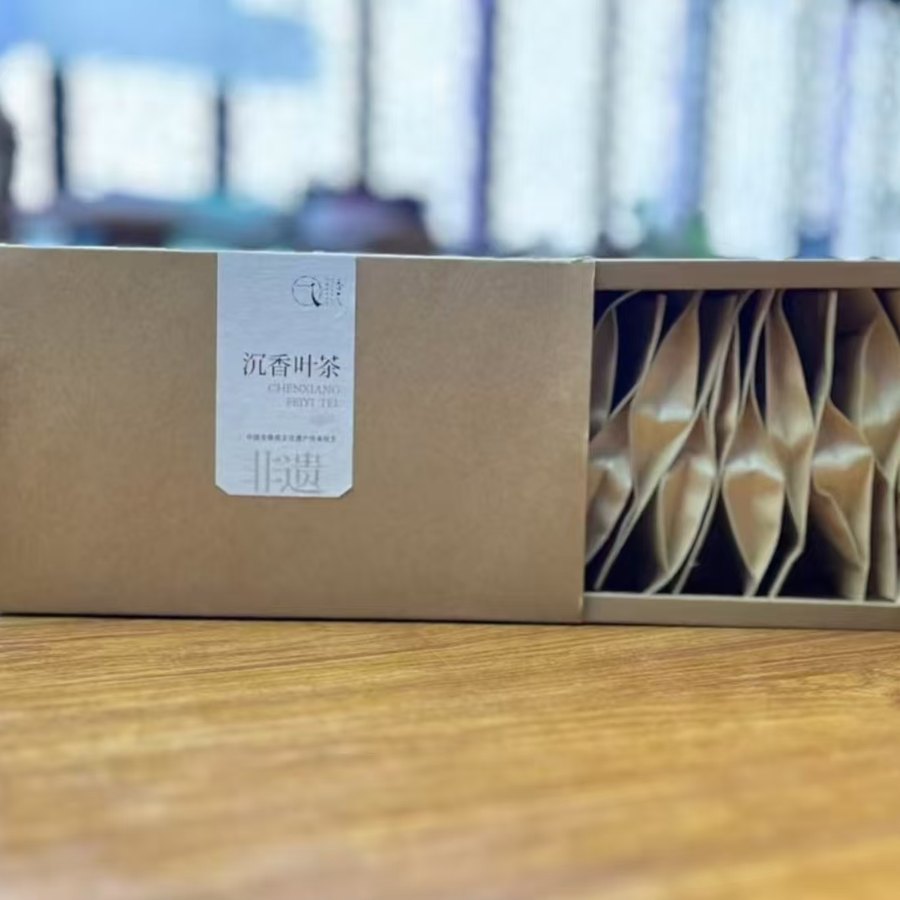
While reading, you might also like these compliant cultivated-agarwood products.
Visit Mall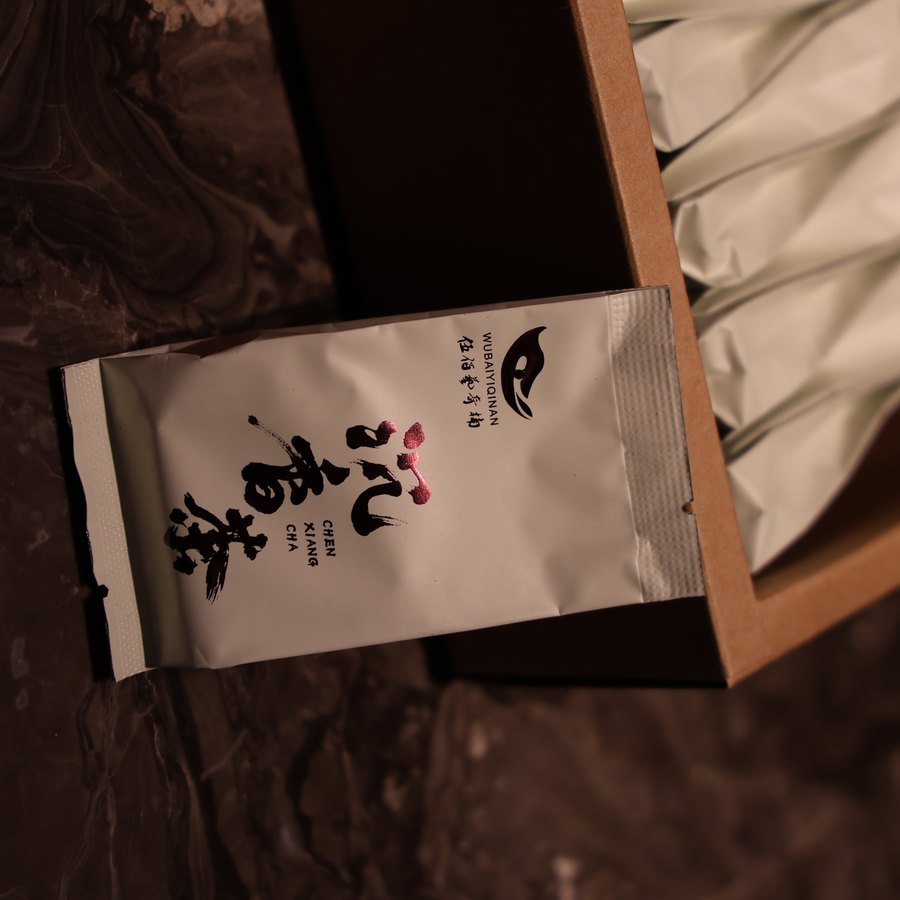
评论区
评论匿名可浏览,登录后可发表;提交后先审后显。
评论加载中…
Check related market data
Want the reference price for this category? Compare on the market page.
Go to market