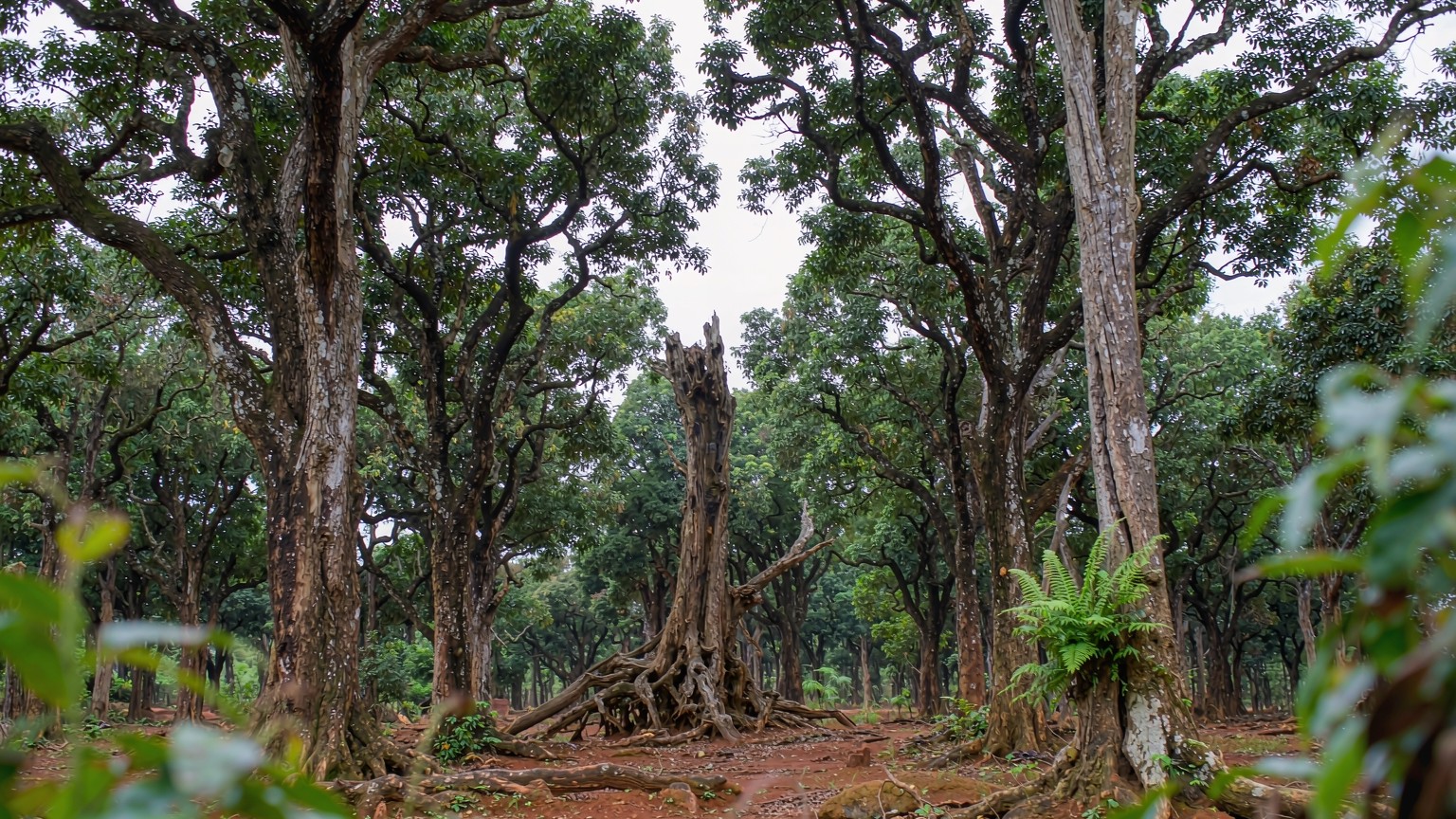
Why Agarwood Is So Expensive: Three Scarcity Facts
Three stacked facts
First, low odds: not every tree resins, wild natural resin is rarer; second, long cycle: years from wound to usable; third, limited compliant supply: protected species and trade controls cap legal sources. Together they raise price.
Be rational
Expensive ≠ appreciating ≠ a good investment. Enjoy it as culture and scent; that’s safer than chasing price. Not investment advice.
Compiled for general knowledge; traditional references are cultural notes, not medical advice.
Frequently Asked Questions
What is Why Agarwood Is So Expensive?
Price comes from low resin odds, long time, and limited compliant supply—stacked together.
What factors drive agarwood prices?
Resin content, origin, form (raw wood, carved pieces, beads) and traceability dominate pricing. Within one origin, top sinking-grade pieces can cost dozens of times more than entry grades, so testing is essential.
What should beginners know before buying agarwood?
Start by defining the purpose (incense, wearing, or collecting), then begin with low-cost items such as incense sticks or powder from trustworthy sellers. Build your olfactory memory first, then learn about origins and grades instead of chasing premium pieces early.
How should I choose agarwood?
Buy from traceable, testable channels and match the form (incense, beads, raw wood) to your use. Avoid exaggerated claims such as "wild" or "sinking grade" without proof, and prefer products with lab reports and origin documentation.
How should agarwood be stored and maintained?
Agarwood dislikes moisture, odours and direct sunlight. Keep it sealed, dark and cool, store different origins separately, and air and inspect long-stored pieces periodically against mould and insects.
How can I tell real agarwood from fake?
Authentication combines sensory checks with technical ones: natural agarwood has a clean, long-lasting, cool-sweet scent and burns with pale, non-pungent smoke. GC-MS analysis of characteristic compounds (chromones, sesquiterpenes) adds objective confirmation. Buying through traceable channels with certificates lowers the risk.
How do agarwood origins differ?
Climate, tree species and resin-induction methods give each origin a distinct scent profile — for example Hainan tends to be clean and elegant, Vietnam sweet and cool, Indonesia deep and full. Origin is a key factor in grading and pricing.
What is the current agarwood market like?
Prices diverge sharply by resin density, origin and form, with both top-end collectibles and entry-level consumer products active. Use actual transactions from legal, testable channels as reference rather than a single quotation.
参考资料
You may also like
评论区
评论匿名可浏览,登录后可发表;提交后先审后显。
评论加载中…