From Raw Material to Fragrance: A科普 Guide to Agarwood Processing
This article will provide a detailed explanation of the processing process of agarwood, from raw material collection to finished product production, introducing the charm of this traditional craft.
Definition: What is Agarwood
Agarwood, also known as Aquilaria wood, is a precious natural spice, mainly produced from Aquilaria trees. It has a unique fragrance and has been used in religious rituals, aromatherapy, and spice making since ancient times.
Raw Material Collection
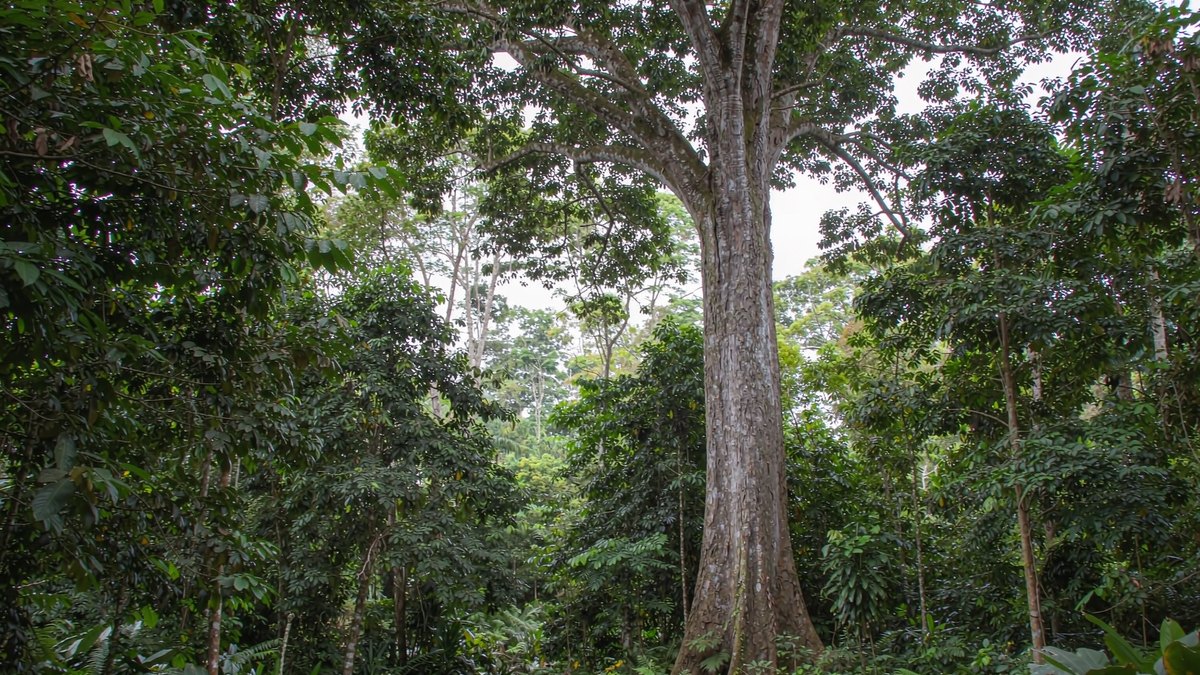
The raw material of agarwood comes from the trunk of Aquilaria trees. Workers will look for special scars on the trunk during collection, which are the signs of agarwood growth. The collection process needs to respect nature and avoid excessive damage to trees.
Peeling and Removing Impurities
The collected raw material needs to be peeled and impurities removed. This step is very critical as it directly affects the quality of agarwood.
Drying and Drying
The peeled agarwood needs to be dried and dried to remove excess moisture and help maintain the fragrance of agarwood.
Cutting and Polishing
After drying, the agarwood needs to be cut into suitable shapes and sizes for subsequent processing. The cutting process needs to ensure that the fragrance of agarwood is not damaged.
Carving and Decoration
According to the needs, agarwood can also be carved and decorated. This step requires exquisite skills to make the finished product more artistic value.
Final Inspection and Packaging
Finally, the finished product is inspected to ensure that its quality meets the standard. After passing the inspection, it is packaged and ready for sale.
Conclusion
The processing process of agarwood is a complex skill, and every step is crucial. By understanding this process, we can better appreciate the unique charm of agarwood.
(This is industry observation and popular-science summary, not investment advice. Buy agarwood through legal channels with traceable, testable sources.)
Compiled for general knowledge; traditional references are cultural notes, not medical advice.
Frequently Asked Questions
What is From Raw Material to Fragrance?
This article will provide a detailed explanation of the processing process of agarwood, from raw material collection to finished product production, introducing the charm of this traditional craft.
How should I choose agarwood?
Buy from traceable, testable channels and match the form (incense, beads, raw wood) to your use. Avoid exaggerated claims such as "wild" or "sinking grade" without proof, and prefer products with lab reports and origin documentation.
How should agarwood be stored and maintained?
Agarwood dislikes moisture, odours and direct sunlight. Keep it sealed, dark and cool, store different origins separately, and air and inspect long-stored pieces periodically against mould and insects.
How can I tell real agarwood from fake?
Authentication combines sensory checks with technical ones: natural agarwood has a clean, long-lasting, cool-sweet scent and burns with pale, non-pungent smoke. GC-MS analysis of characteristic compounds (chromones, sesquiterpenes) adds objective confirmation. Buying through traceable channels with certificates lowers the risk.
How do agarwood origins differ?
Climate, tree species and resin-induction methods give each origin a distinct scent profile — for example Hainan tends to be clean and elegant, Vietnam sweet and cool, Indonesia deep and full. Origin is a key factor in grading and pricing.
What is the current agarwood market like?
Prices diverge sharply by resin density, origin and form, with both top-end collectibles and entry-level consumer products active. Use actual transactions from legal, testable channels as reference rather than a single quotation.
What is the relationship between agarwood and incense culture?
Agarwood is the core medium of East Asian incense culture, spanning temple offerings, literati gatherings and contemporary lifestyle aesthetics. Understanding this cultural background helps explain its value.
Does agarwood have health benefits?
Traditionally agarwood has been used for calming and sleep-related rituals, but evidence quality and dosage need careful reading. Keep traditional use and scientific evidence clearly separated and follow professional guidance.
参考资料
You may also like



评论区
评论匿名可浏览,登录后可发表;提交后先审后显。
评论加载中…