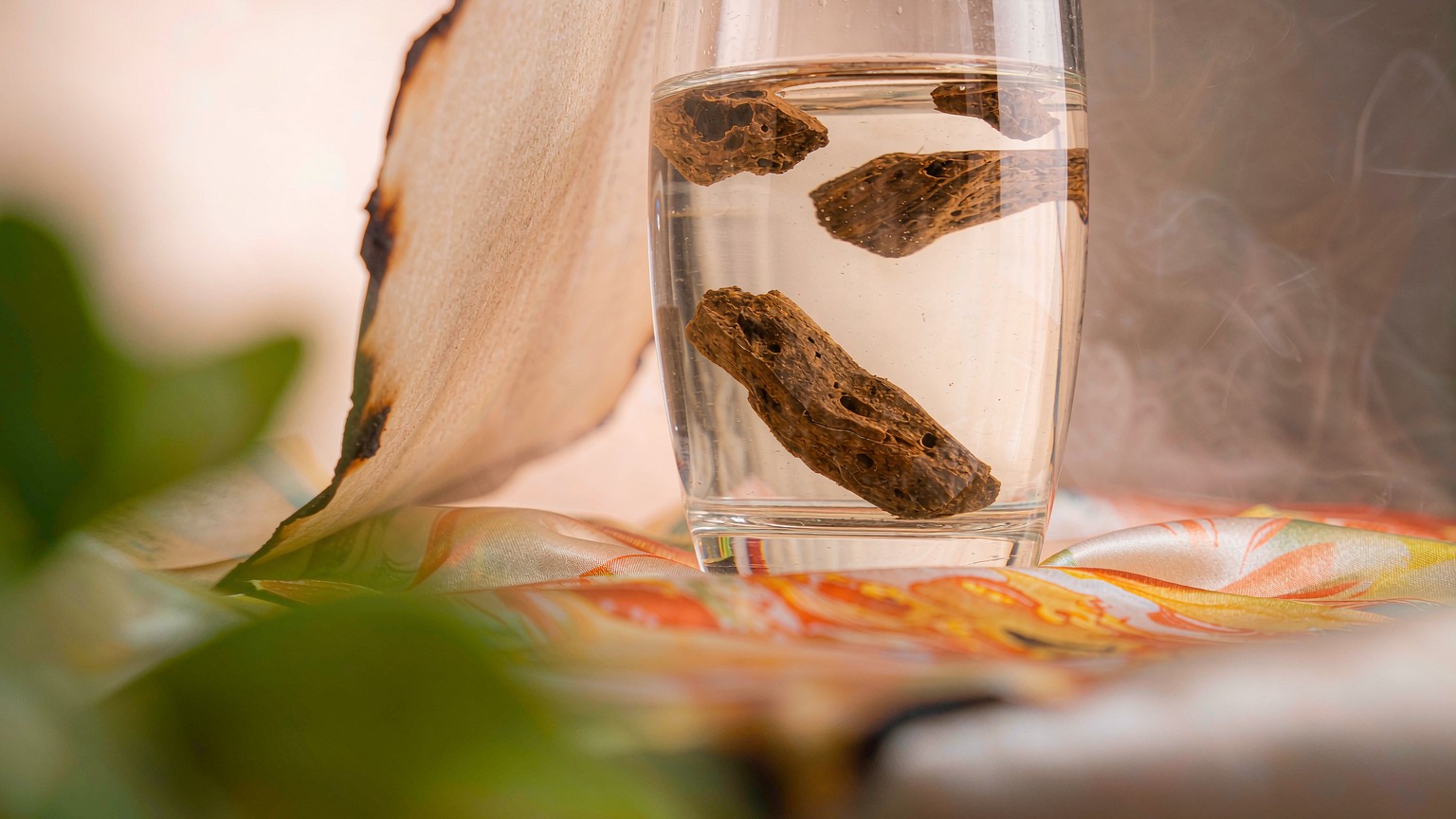
What is the Oil Line in Agarwood: Understanding the Oil Line is Key to Understanding the Fragrance
This article will delve into the concept of the oil line in agarwood, helping you better understand the characteristics and quality of agarwood.
What is the Oil Line?
The oil line in agarwood, also known as the resin line, refers to the texture of the wood rich in resin. The resin line is one of the important characteristics for identifying the quality of agarwood.
The Relationship Between Oil Line and Quality
The more oil lines there are in agarwood, the higher the resin content, generally indicating better quality. The distribution and depth of the oil lines are also important factors in evaluating the value of agarwood.
How to Observe the Oil Line
When observing the oil line, you can use a magnifying glass to carefully examine the cross-section of the wood. The oil line usually appears yellow or brown and is unevenly distributed, with some dense and others sparse.
The Connection Between Oil Line and Fragrance
The oil line in agarwood not only affects its appearance but also has a direct impact on its aroma. The richer the oil line, the more intense and complex the fragrance of the agarwood.
Conclusion
Understanding the oil line is the key to understanding agarwood. Only by truly understanding the oil line can we better appreciate the unique charm of agarwood.
(This is industry observation and popular-science summary, not investment advice. Buy agarwood through legal channels with traceable, testable sources.)
Compiled for general knowledge; traditional references are cultural notes, not medical advice.
Frequently Asked Questions
What is What is the Oil Line in Agarwood?
This article will delve into the concept of the oil line in agarwood, helping you better understand the characteristics and quality of agarwood.
How should I choose agarwood?
Buy from traceable, testable channels and match the form (incense, beads, raw wood) to your use. Avoid exaggerated claims such as "wild" or "sinking grade" without proof, and prefer products with lab reports and origin documentation.
How should agarwood be stored and maintained?
Agarwood dislikes moisture, odours and direct sunlight. Keep it sealed, dark and cool, store different origins separately, and air and inspect long-stored pieces periodically against mould and insects.
How can I tell real agarwood from fake?
Authentication combines sensory checks with technical ones: natural agarwood has a clean, long-lasting, cool-sweet scent and burns with pale, non-pungent smoke. GC-MS analysis of characteristic compounds (chromones, sesquiterpenes) adds objective confirmation. Buying through traceable channels with certificates lowers the risk.
How do agarwood origins differ?
Climate, tree species and resin-induction methods give each origin a distinct scent profile — for example Hainan tends to be clean and elegant, Vietnam sweet and cool, Indonesia deep and full. Origin is a key factor in grading and pricing.
What is the current agarwood market like?
Prices diverge sharply by resin density, origin and form, with both top-end collectibles and entry-level consumer products active. Use actual transactions from legal, testable channels as reference rather than a single quotation.
What is the relationship between agarwood and incense culture?
Agarwood is the core medium of East Asian incense culture, spanning temple offerings, literati gatherings and contemporary lifestyle aesthetics. Understanding this cultural background helps explain its value.
Does agarwood have health benefits?
Traditionally agarwood has been used for calming and sleep-related rituals, but evidence quality and dosage need careful reading. Keep traditional use and scientific evidence clearly separated and follow professional guidance.
参考资料
You may also like
评论区
评论匿名可浏览,登录后可发表;提交后先审后显。
评论加载中…