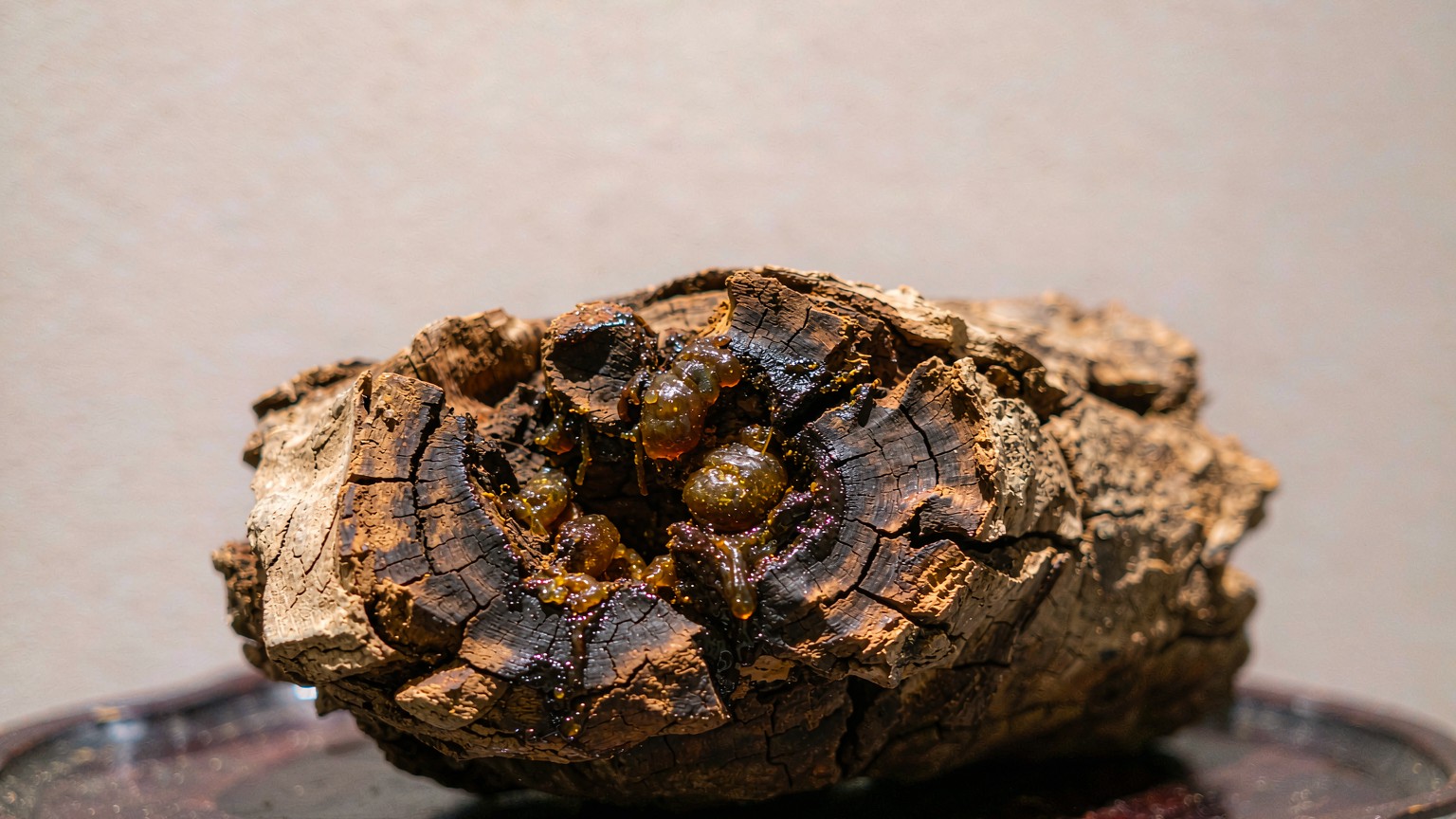
CCTV 'Financial Investigation' Exposes Fake Agarwood in Livestreams
Recently, China Media Group's "Financial Investigation" program exposed fake agarwood being sold in livestreams, revealing various fraudulent methods currently used in cultivated agarwood. The convincing imitation means consumers can easily pay high prices for "tech-enhanced goods" if they are not careful.
As the program noted, the price gap between cultivated qinan agarwood and natural wild qinan agarwood is enormous. Natural wild qinan agarwood ranges from several thousand yuan to 100,000 yuan per gram. Consumers intending to purchase natural wild qinan agarwood should be especially wary of prices that do not match market norms.
In the agarwood market, some merchants use a wide variety of promotional rhetoric, combined with agarwood products that look extremely similar, making it difficult for consumers to distinguish genuine from fake. Cases of "paying high prices for counterfeit goods" occur from time to time.
The following images are sourced from <CCTV Finance>
The truth behind "full of resin" — polishing and boiling can make inferior agarwood sell at high prices!

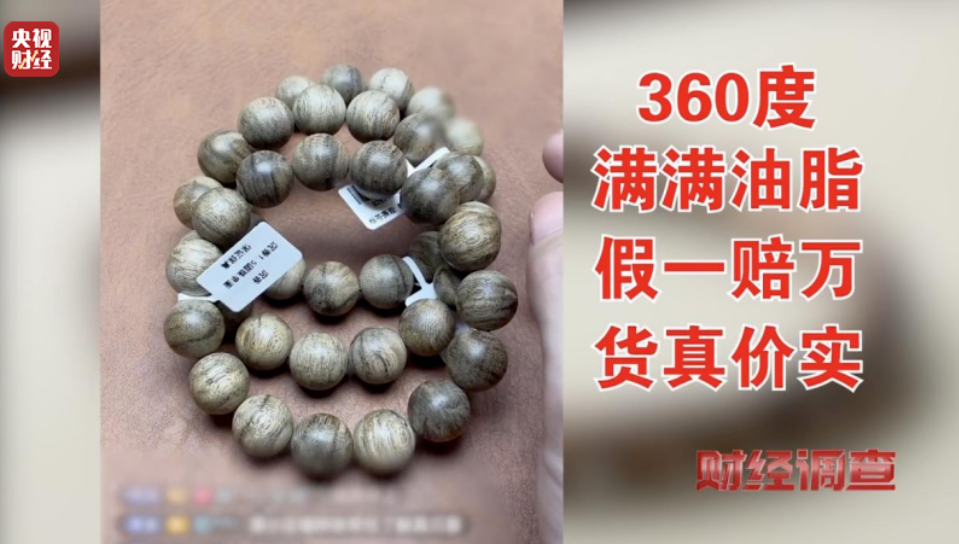
A reporter entered an agarwood e-commerce livestream where the merchant's promotional rhetoric revolved almost entirely around "resin" — phrases such as "360-degree full resin," "fake one, compensate ten thousand," and "genuine quality at a fair price."
Following leads from consumers, the reporter visited the core area of the "Hometown of Chinese Agarwood" in the southeastern region. At night, the "agarwood night market" becomes even livelier, with over a hundred merchants setting up open-air stalls in the town square, displaying a dazzling array of agarwood products.
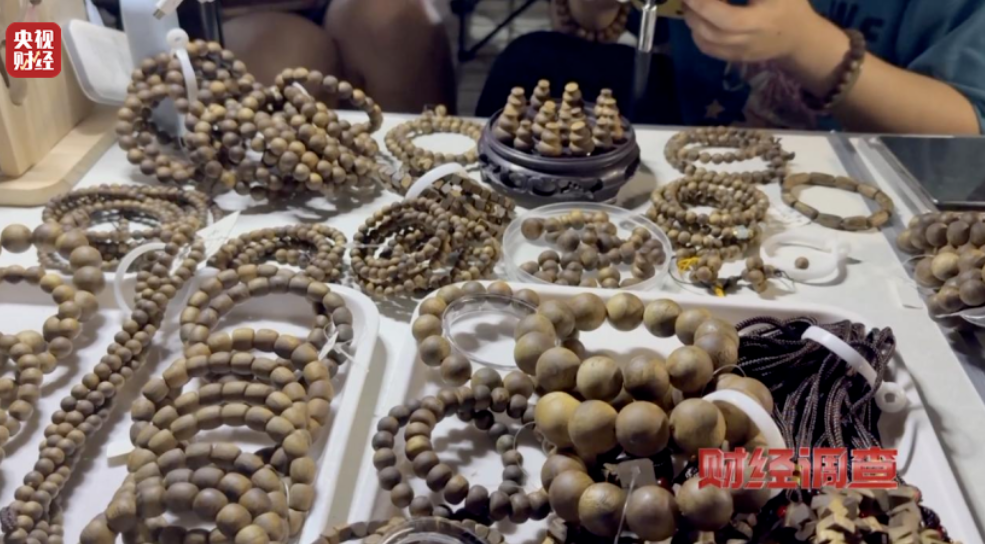
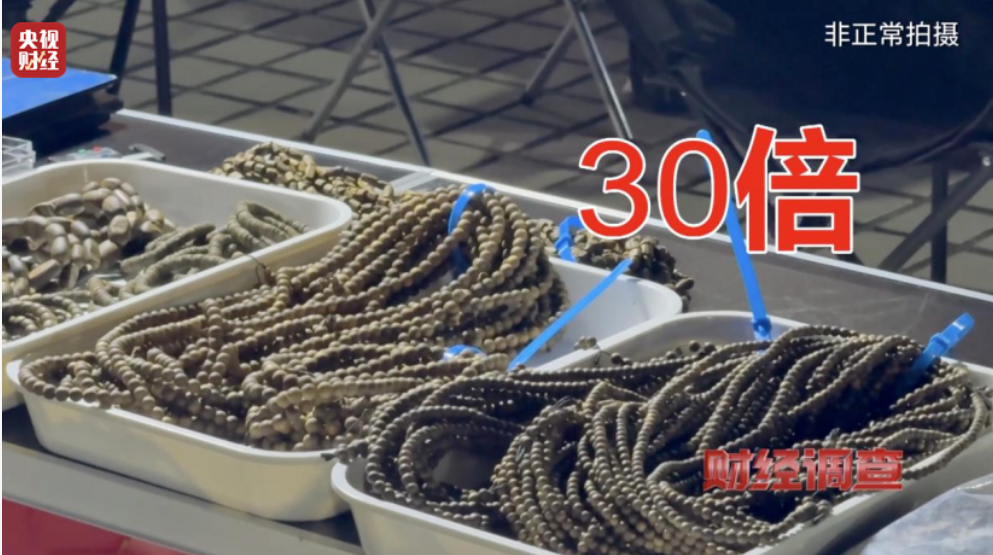
Merchants told the reporter that most of what is sold at the night market is cultivated qinan bracelets. Ordinary pieces cost a dozen to twenty-plus yuan per gram, while sinking-grade pieces differ enormously in price — from a dozen yuan to three hundred yuan per gram, a difference of nearly thirty times.
The person in charge of Yida Agarwood explained that qinan "evolves" from agarwood — it is softer in texture, higher in oil content, richer in aroma, and requires more stringent formation conditions. Therefore, in the fields of collectible crafts, incense culture, and collection, its price far exceeds that of ordinary agarwood.
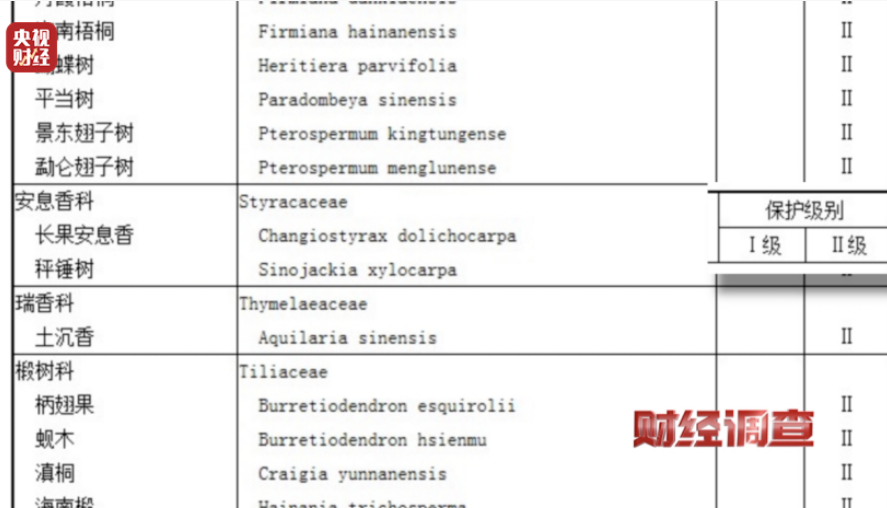
However, wild qinan agarwood has long been listed in the "National Key Protected Wild Plants List," and protection of wild Aquilaria sinensis has been elevated to the level of strict national control. Currently existing wild qinan ranges from several thousand yuan to several hundred thousand yuan per gram, demonstrating its extreme scarcity.
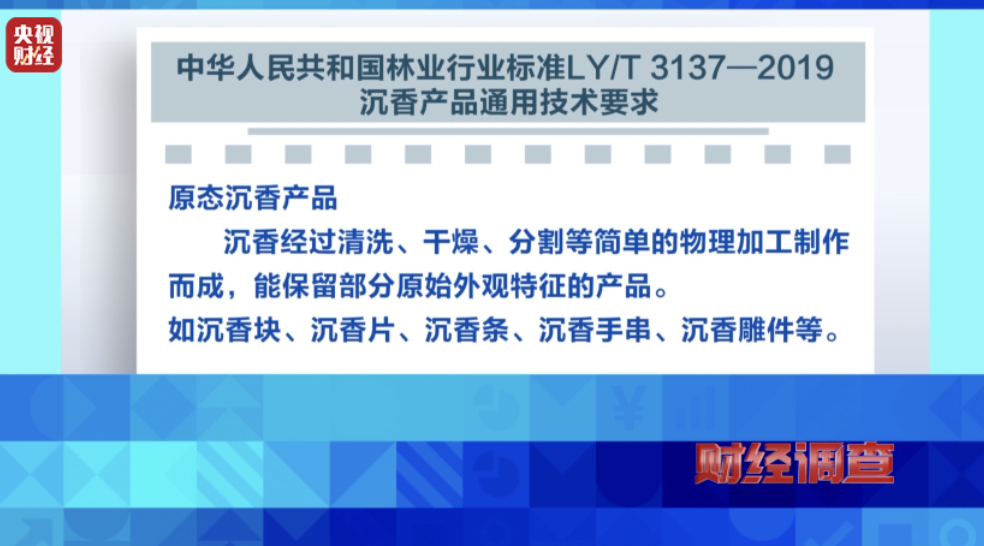
The forestry industry standard of the People's Republic of China LY/T 3137—2019 "General Technical Requirements for Agarwood Products" explicitly stipulates
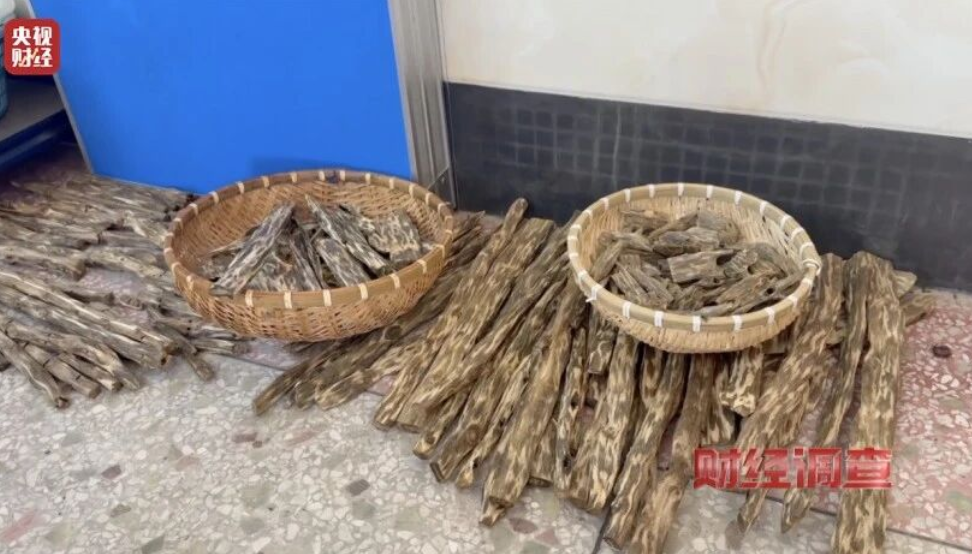
The person in charge of Yida Agarwood told the reporter that the core craft of agarwood products lies in "preserving natural authenticity" — the simpler the process, the better. This is because the core value of agarwood is its natural attributes, and excessive processing will instead damage these attributes and diminish its value.
The person in charge of a factory called "Wenshi Qinan Factory" told the reporter that qinan prices mainly depend on grade, and grade is determined by oil content — the higher the oil content, the better the density, weight, and aroma. "Sinking grade" is the recognized standard of quality.
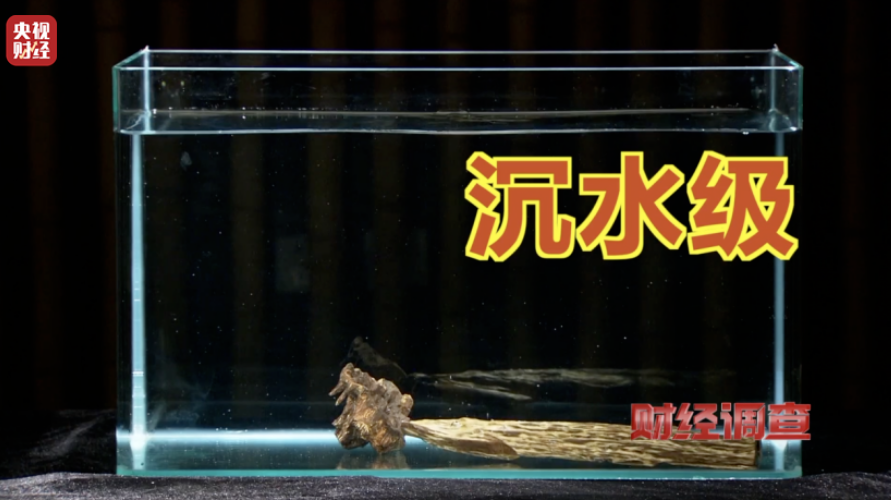
Size and craftsmanship also affect price — at the same grade, larger sizes are more expensive; round beads cost more than free-form beads due to greater material consumption; flat beads are the cheapest because they use leftover material. Therefore, price differences at the night market can reach dozens of times.
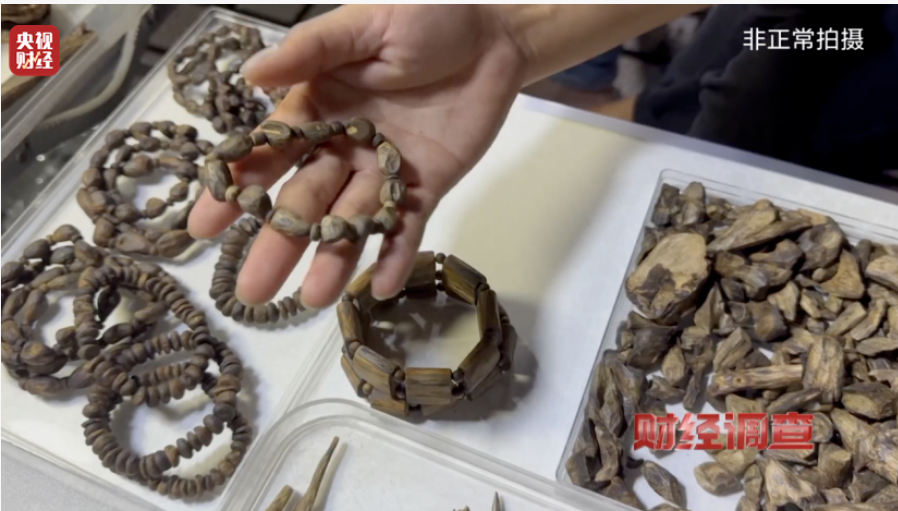
But at the scene, the reporter found obvious differences in the raw material quality of agarwood bracelets — some pieces had abundant resin formation, producing jet-black, oil-dense beads after polishing, while others were pale in color with poor appearance.
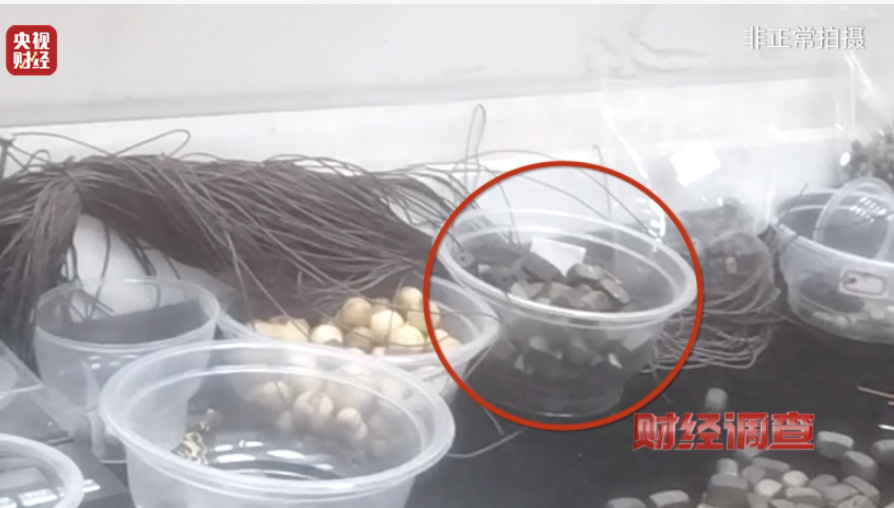
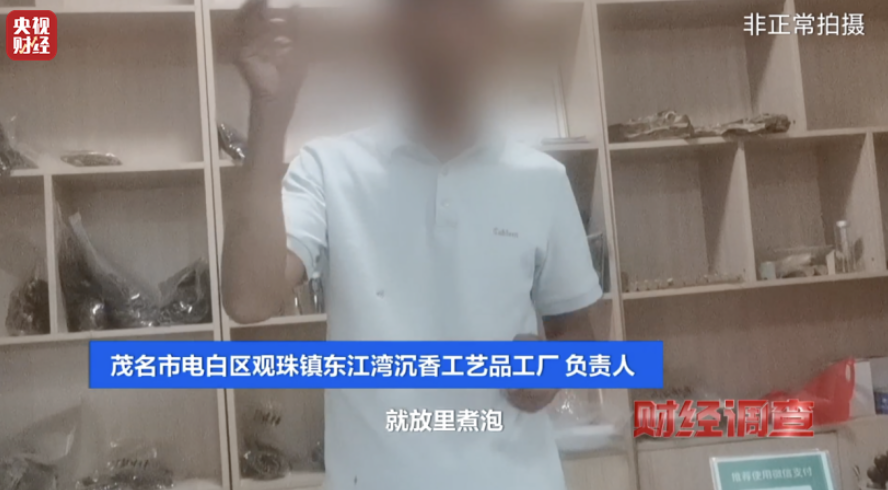
Faced with such material, the person in charge admitted that to make low-oil agarwood bracelets sell better, they add qinan essential oil during polishing to make the beads more uniform in color and stronger in fragrance. The reporter saw multiple polishing machines and essential oil containers at the Wenshi Qinan Factory. This practice of "adding essential oil to improve appearance" is not an isolated case. The person in charge of Dongjiangwan Agarwood Crafts Factory revealed that they boil and soak the beads in essential oil, then polish them.
The forestry industry standard of the People's Republic of China LY/T 3223—2020 "Agarwood Quality Grading" has clear requirements:

Compiled for general knowledge; traditional references are cultural notes, not medical advice.
Frequently Asked Questions
What is CCTV 'Financial Investigation' Exposes Fake Agarwood in Livestreams?
CCTV's 'Financial Investigation' recently exposed fake agarwood sold in livestreams, revealing various fraudulent methods used in cultivated agarwood and warning consumers against overpriced 'tech-enhanced' products.
How should I choose agarwood?
Buy from traceable, testable channels and match the form (incense, beads, raw wood) to your use. Avoid exaggerated claims such as "wild" or "sinking grade" without proof, and prefer products with lab reports and origin documentation.
How should agarwood be stored and maintained?
Agarwood dislikes moisture, odours and direct sunlight. Keep it sealed, dark and cool, store different origins separately, and air and inspect long-stored pieces periodically against mould and insects.
How can I tell real agarwood from fake?
Authentication combines sensory checks with technical ones: natural agarwood has a clean, long-lasting, cool-sweet scent and burns with pale, non-pungent smoke. GC-MS analysis of characteristic compounds (chromones, sesquiterpenes) adds objective confirmation. Buying through traceable channels with certificates lowers the risk.
How do agarwood origins differ?
Climate, tree species and resin-induction methods give each origin a distinct scent profile — for example Hainan tends to be clean and elegant, Vietnam sweet and cool, Indonesia deep and full. Origin is a key factor in grading and pricing.
What is the current agarwood market like?
Prices diverge sharply by resin density, origin and form, with both top-end collectibles and entry-level consumer products active. Use actual transactions from legal, testable channels as reference rather than a single quotation.
What is the relationship between agarwood and incense culture?
Agarwood is the core medium of East Asian incense culture, spanning temple offerings, literati gatherings and contemporary lifestyle aesthetics. Understanding this cultural background helps explain its value.
Does agarwood have health benefits?
Traditionally agarwood has been used for calming and sleep-related rituals, but evidence quality and dosage need careful reading. Keep traditional use and scientific evidence clearly separated and follow professional guidance.
参考资料
You may also like



评论区
评论匿名可浏览,登录后可发表;提交后先审后显。
评论加载中…