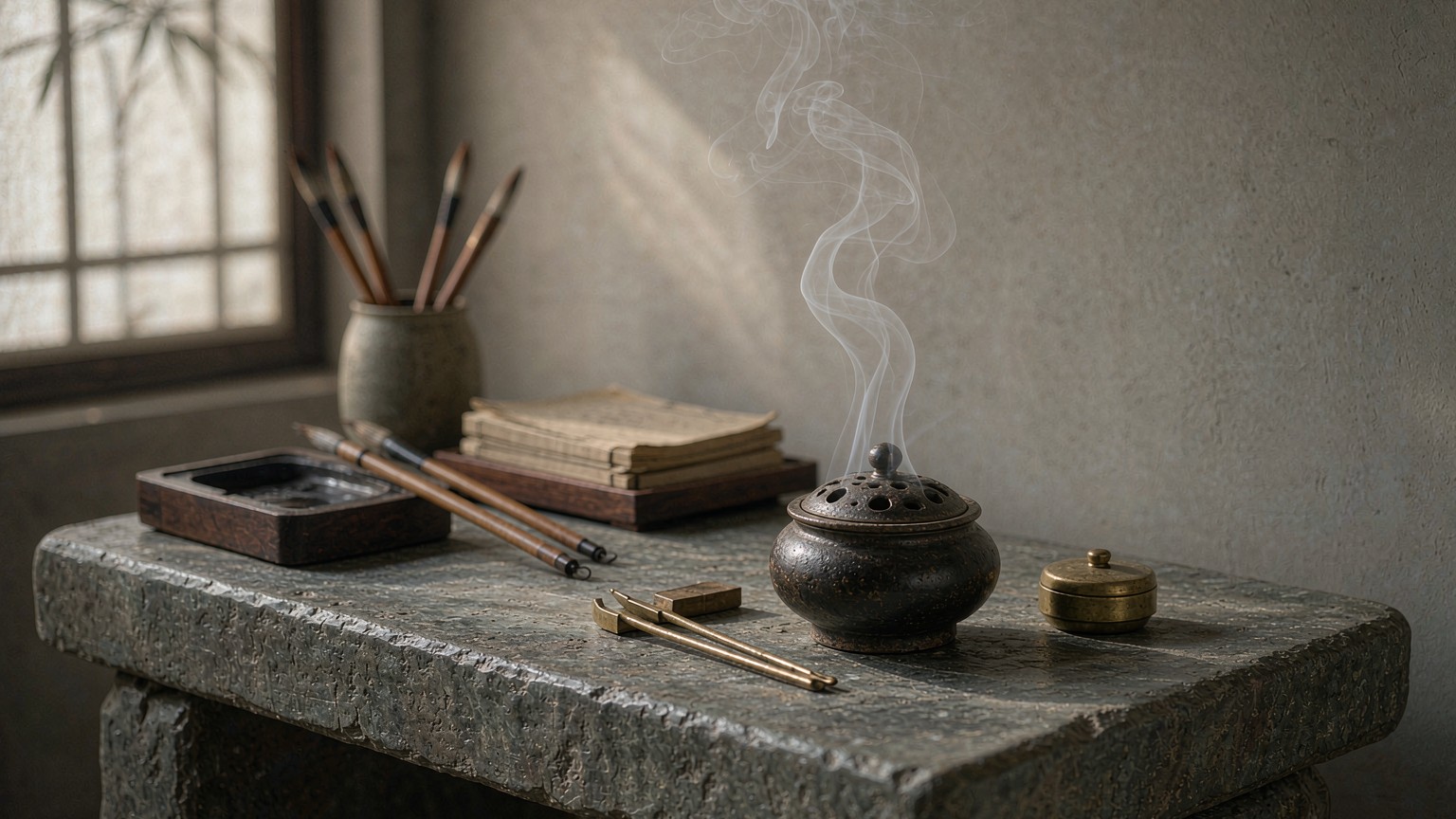
Tunchang Agarwood Cultivation Status
Tunchang agarwood is a leading specialty industry of Tunchang County, Hainan. The area enjoys the reputation of "Hometown of Agarwood" and possesses the provincial intangible cultural heritage "Agarwood Resin Formation Technique." It is currently making every effort to build a nationally recognized "Fragrance Valley."
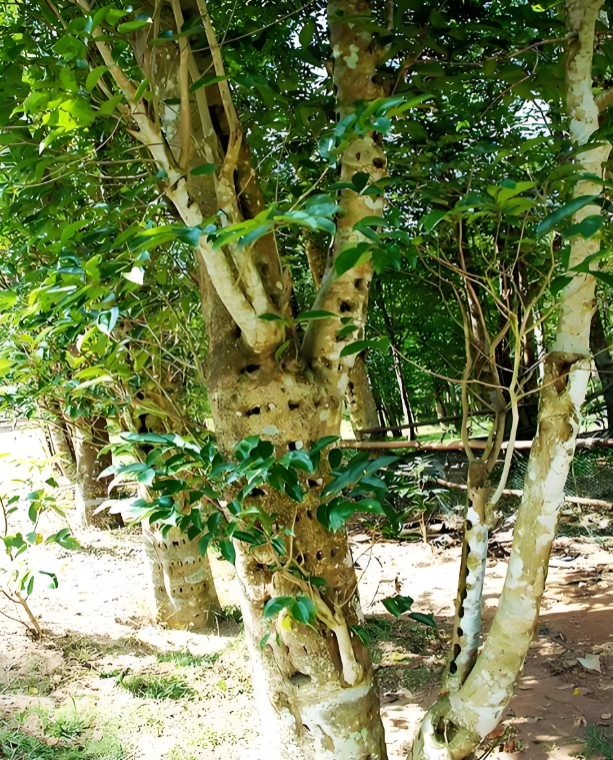
Tunchang County has cumulatively planted agarwood across 21,000 mu (Aquilaria sinensis planting area 11,700 mu; easy-resin-forming qinan agarwood varieties planting area 9,300 mu), of which 8,000 mu has undergone resin formation (6,000 mu of Aquilaria sinensis and 2,000 mu of easy-resin-forming varieties).
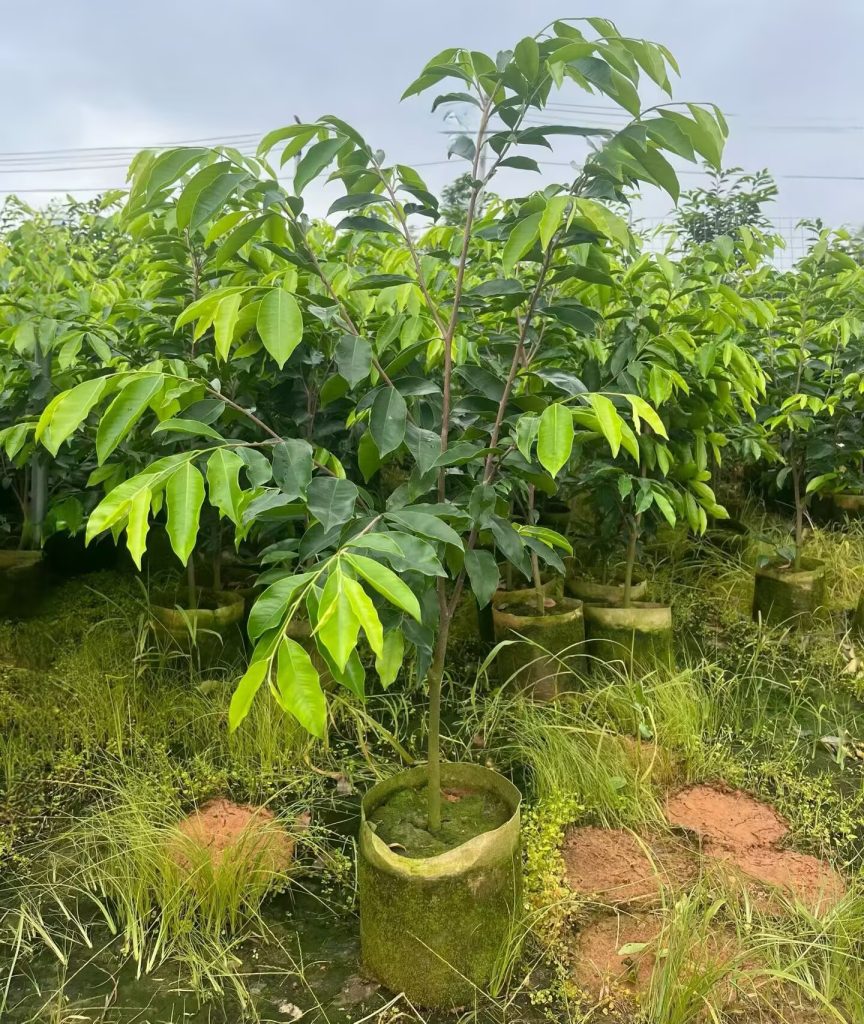
There are currently 20 agarwood planting enterprises and cooperatives, with the larger ones including Hainan Haixiangyuan Investment Co., Ltd., Hainan Minghe Agarwood Co., Ltd., and Hainan Zhongke Qinan Agarwood Breeding Co., Ltd. They mainly sell agarwood seedlings, provide resin formation technology, and develop and sell agarwood products (agarwood incense, agarwood cultural and plaything ornaments, agarwood medicines, agarwood daily chemical products, and related products).
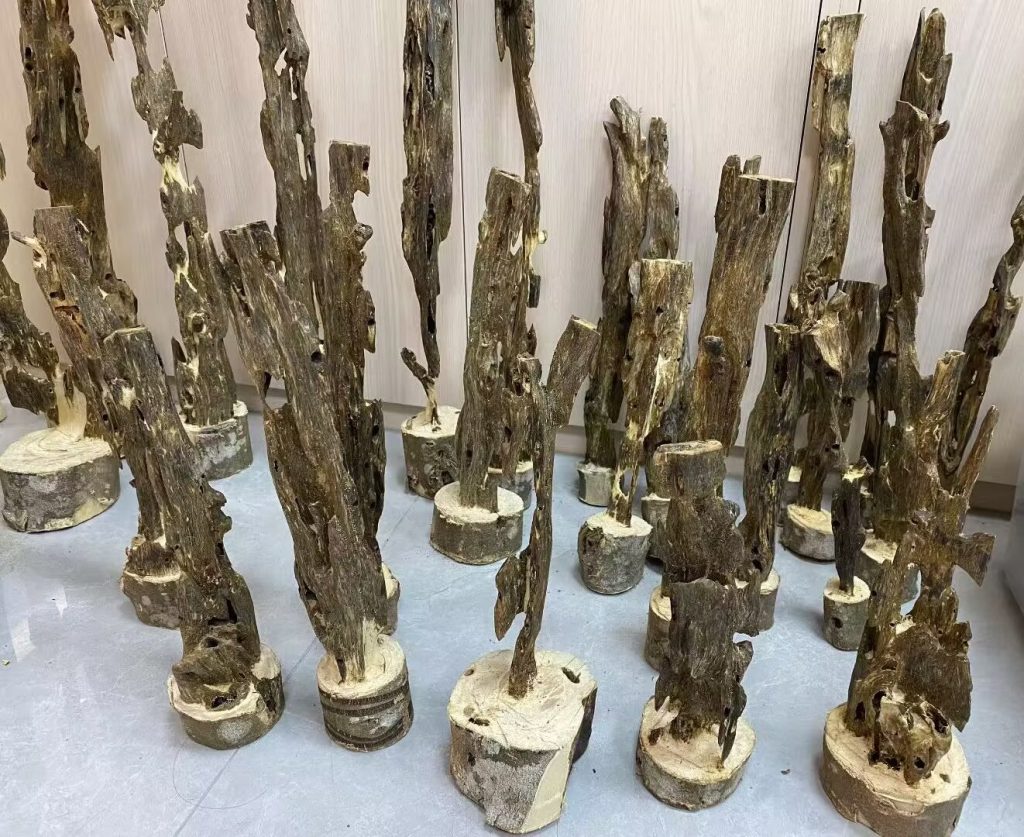
"Haixiang No. 1," "Haixiang No. 2," and "Haixiang No. 3" selected and bred by Haixiangyuan were approved as improved varieties by the Hainan Provincial Forest Tree Improved Variety Approval Committee on July 28, 2025. Eight technical standards related to agarwood products, agarwood planting, and resin formation have been formulated and issued, including two enterprise standards for agarwood leaf tea and agarwood leaf wine, and six group standards for agarwood planting technology, agarwood resin formation technology, agarwood essential oil, agarwood moxa sticks, etc., which were publicly announced and implemented through the National Standards Information Platform on November 7, 2022.
Tunchang County has established two Aquilaria sinensis resin formation demonstration bases and built four agarwood planting demonstration bases and two seedling cultivation bases in Poxin, Fengmu, Tuncheng, Xinxing and other towns.
On July 13, 2022, the China National Intellectual Property Administration approved the "Hainan agarwood" geographical indication certification trademark. In September 2023, the Hainan Academy of Forestry Sciences established in our county the province's only "Hainan agarwood" geographical indication certification trademark handling office accepted by a local government.
Agarwood belongs to the Thymelaeaceae family, with aliases including tu agarwood, tooth fragrant tree, daughter fragrance, Guanxiang, and fragrant tree. It is mainly distributed in India, Indonesia, Vietnam, and China's Hainan, Guangdong, and Guangxi, and is a fast-growing tree species of tropical and subtropical evergreen monsoon forests and mountain rainforests.
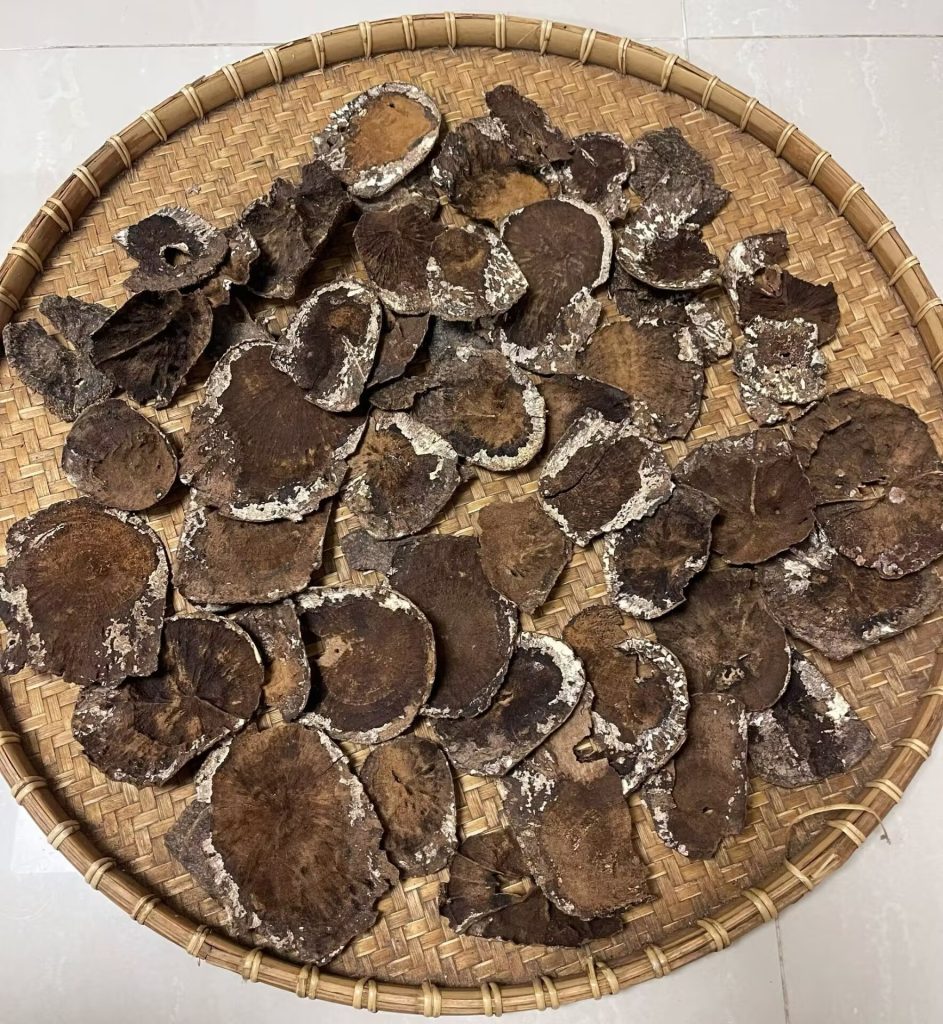
Five-year-old agarwood can reach an average diameter at breast height of 15–18 cm and a tree height of 8–10 m. Below an altitude of 1,000 m, with an annual average temperature of 18–24°C and precipitation of 1,000–2,000 ml, it can grow normally, and it grows well in moist, loose, and fertile lateritic sandy soil.
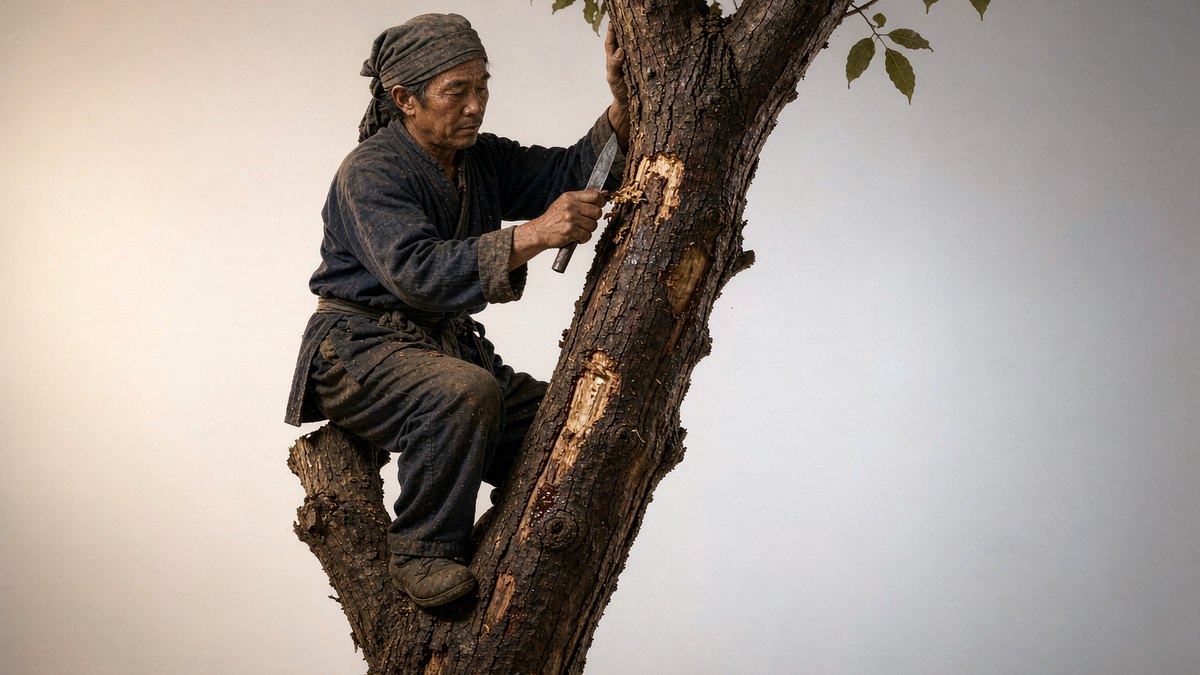
The harvesting method for agarwood is mostly manual harvesting. Plants aged 6 years with a diameter at breast height of more than 20 cm can be harvested. The method is to drill holes about 3 cm deep into the trunk at 1.3–2.0 m above the ground using a drill bit about 5 cm in diameter, drilling several holes per tree to allow resin secretion; after 2–3 years, the agarwood can be harvested. If each agarwood tree can form 0.4 kg of resin per harvest, with 200 trees planted per mu, 80% harvested, and a minimum price of 700 yuan per kilogram of agarwood, then at 9 years of planting, each mu can yield 44,800 yuan.
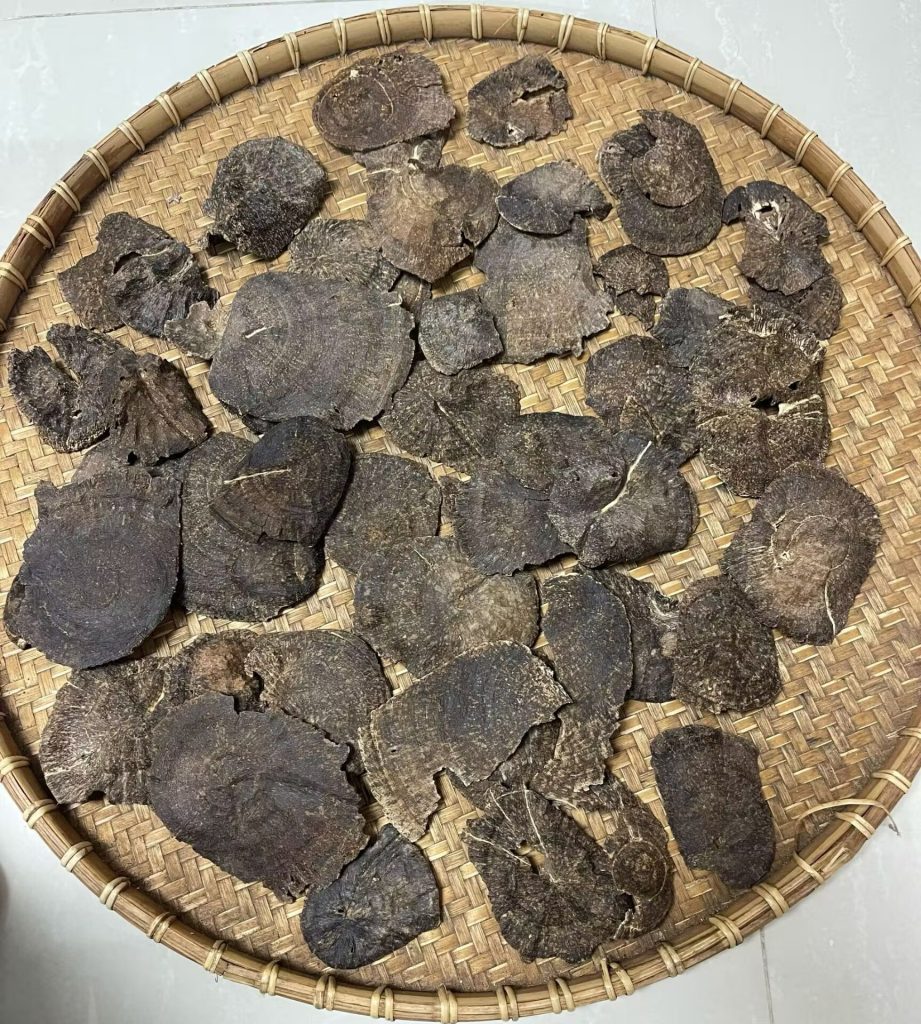
After harvesting agarwood, the above method can be repeated, and agarwood can be harvested again after several years. Agarwood timber is the most scarce raw material for building materials and decorations; timber is in short supply, and the price per cubic meter of logs is above 1,000 yuan.
Agarwood is a national first-class precious medicinal material and also a raw material for daily chemical products and decorations.
Agarwood is widely used in the pharmaceutical industry; it is a specific medicine for stomach ailments and also a good analgesic, with effects of tonifying the spleen and kidney, strengthening yang and supporting yang, and lowering adverse qi and relieving asthma. Agarwood is also a good spice product and can be used to make high-end perfumes, soaps, and other cosmetics. Agarwood seeds can be pressed for oil, and oil products are used in various chemical products.
At present, agarwood products at home and abroad are in short supply and expensive. Therefore, planting agarwood is an effective way to develop forestry economy and increase forest farmers' income in central Hainan.
This article was compiled by "Chenxiang Web," original source: https://www.chenxiang123.com/tunchang-chenxiang-zhongzhi-xianzhuang/
Compiled for general knowledge; traditional references are cultural notes, not medical advice.
Frequently Asked Questions
What is Tunchang Agarwood Cultivation Status?
Tunchang agarwood is a leading specialty industry of Tunchang County, Hainan, known as the "Hometown of Agarwood" and home to the provincial intangible cultural heritage "Agarwood Resin Formation Technique"; it is now building a nationally recognized "Fragrance Valley."
How should I choose agarwood?
Buy from traceable, testable channels and match the form (incense, beads, raw wood) to your use. Avoid exaggerated claims such as "wild" or "sinking grade" without proof, and prefer products with lab reports and origin documentation.
How should agarwood be stored and maintained?
Agarwood dislikes moisture, odours and direct sunlight. Keep it sealed, dark and cool, store different origins separately, and air and inspect long-stored pieces periodically against mould and insects.
How can I tell real agarwood from fake?
Authentication combines sensory checks with technical ones: natural agarwood has a clean, long-lasting, cool-sweet scent and burns with pale, non-pungent smoke. GC-MS analysis of characteristic compounds (chromones, sesquiterpenes) adds objective confirmation. Buying through traceable channels with certificates lowers the risk.
How do agarwood origins differ?
Climate, tree species and resin-induction methods give each origin a distinct scent profile — for example Hainan tends to be clean and elegant, Vietnam sweet and cool, Indonesia deep and full. Origin is a key factor in grading and pricing.
What is the current agarwood market like?
Prices diverge sharply by resin density, origin and form, with both top-end collectibles and entry-level consumer products active. Use actual transactions from legal, testable channels as reference rather than a single quotation.
What is the relationship between agarwood and incense culture?
Agarwood is the core medium of East Asian incense culture, spanning temple offerings, literati gatherings and contemporary lifestyle aesthetics. Understanding this cultural background helps explain its value.
Does agarwood have health benefits?
Traditionally agarwood has been used for calming and sleep-related rituals, but evidence quality and dosage need careful reading. Keep traditional use and scientific evidence clearly separated and follow professional guidance.
参考资料
You may also like
评论区
评论匿名可浏览,登录后可发表;提交后先审后显。
评论加载中…