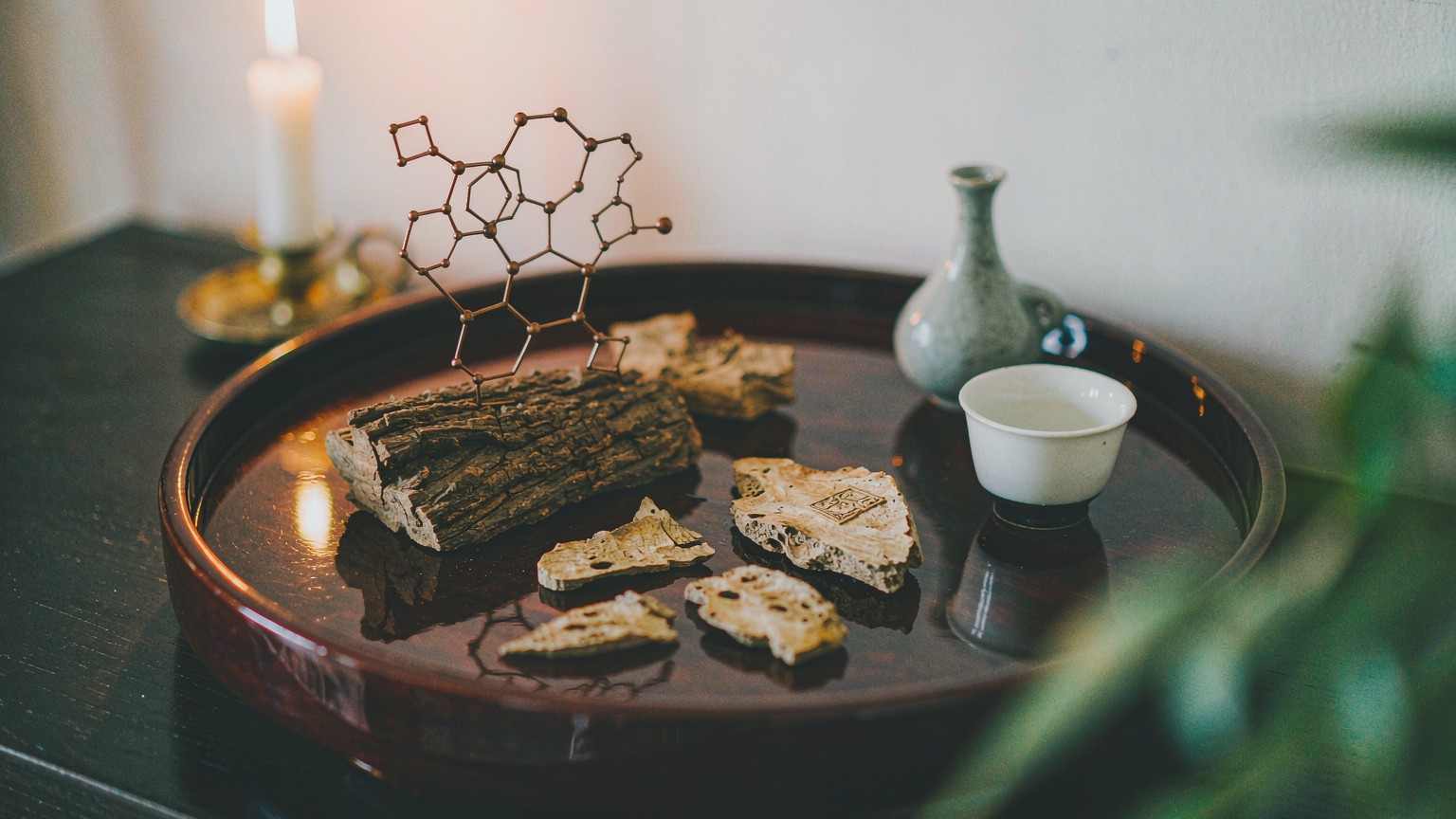
Beginner's Guide to Agarwood: Understanding Cultivated Qinan Agarwood
In recent years, as the scale of cultivated qinan agarwood has grown, qinan agarwood has attracted more and more people to large-scale cultivation of qinan agarwood due to its short planting cycle, rapid resin formation, and high resin yield. Below we analyze cultivated qinan agarwood from the aspects of cultivated qinan agarwood resin formation, aroma, quality, and benefits.
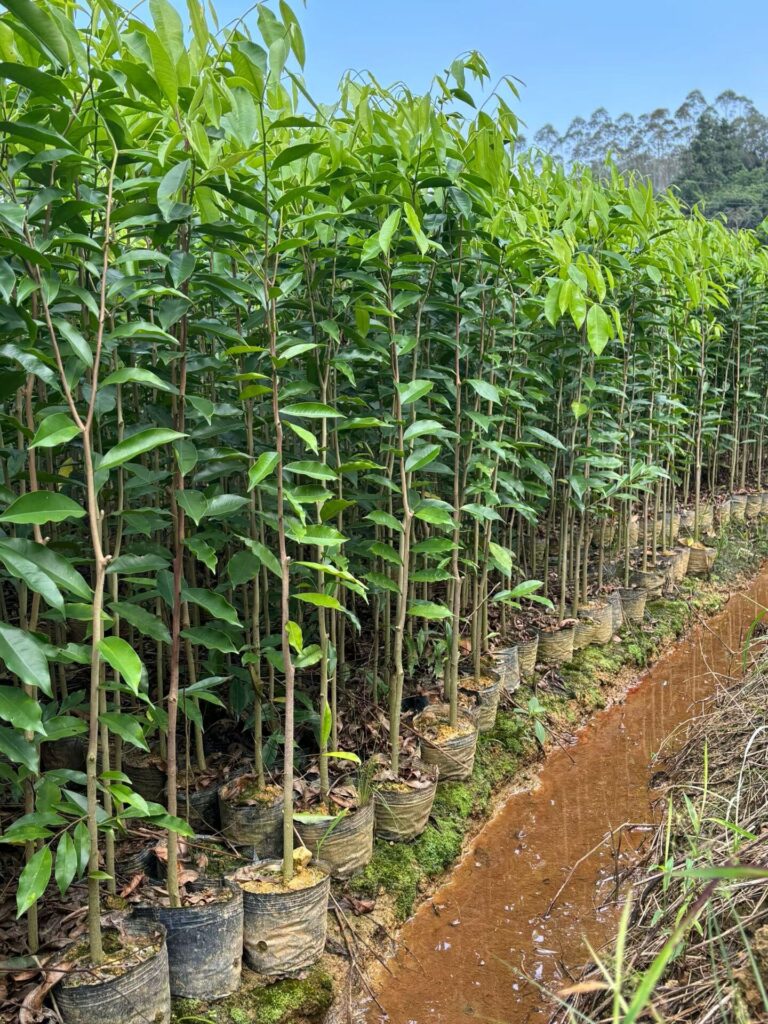
I. Resin-bearing fragrant wood
Cultivated qinan agarwood is propagated from scion branches grafted onto Aquilaria sinensis trees. It is a tree of the Aquilaria genus in the Thymelaeaceae family, and the tree can grow to 5–15 meters. The xylem of qinan agarwood has a unique physiological structure; after external stimulation, it can secrete resin, and under the action of microorganisms and other factors, this resin gradually forms what we call agarwood. Its bark is dark gray, smooth or with longitudinal wrinkles, and the branchlets are cylindrical with wrinkled lines; these external features also help us identify it.
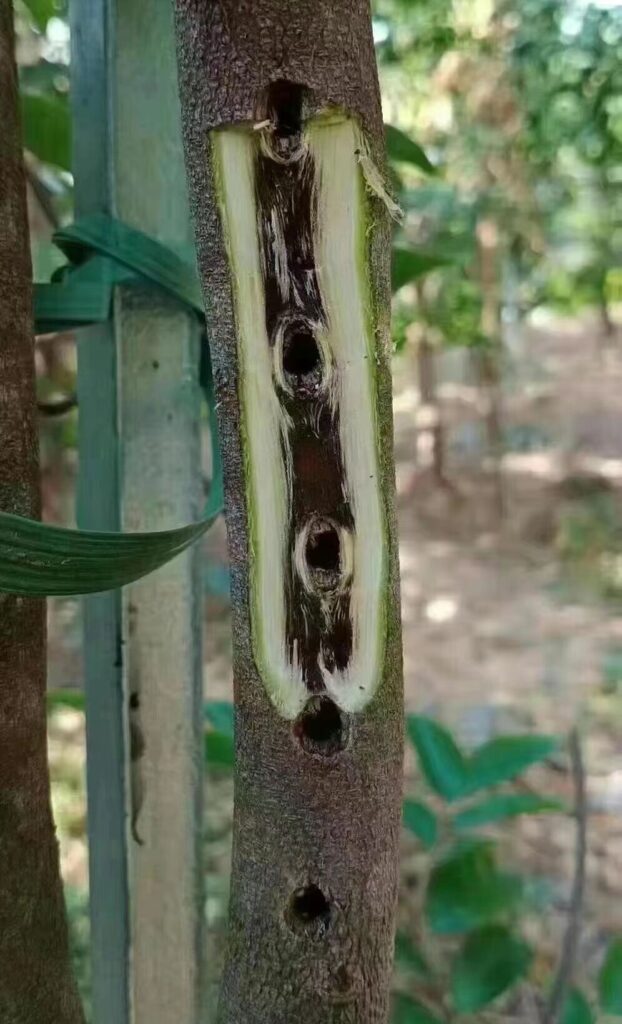
II. Conditions for resin formation in cultivated qinan agarwood
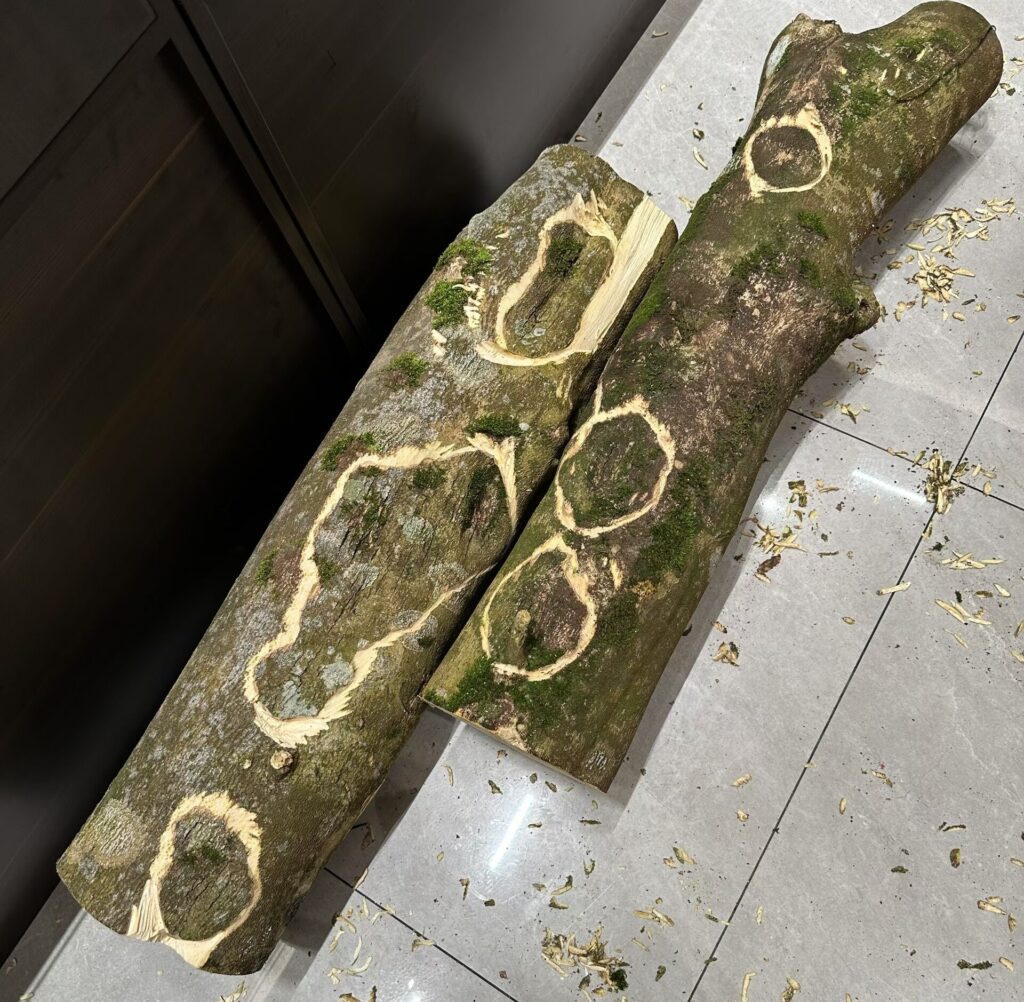
1. Physical wounding:
By drilling holes in the trunk, cutting wounds, and other methods, the tree's conductive tissues are damaged, stimulating the tree to secrete resin for self-repair, thereby gradually forming agarwood.
2. Participation of microorganisms and insects:
After the tree is wounded, microorganisms invade the wound; during decomposition and metabolism, they undergo biochemical reactions with the resin, accelerating agarwood formation. When temperature and humidity are suitable, microbial activity is more vigorous and resin formation efficiency is higher. Taking Hainan agarwood as an example, the soil and climate are unique, and Hainan is extremely rich in macrofungal resources, with more than 3,300 species of fungi discovered. In their interaction with agarwood trees, the quality of the resin formed is better.
3. Accumulation over time
Resin formation requires time to accumulate. From the moment the tree is wounded to the formation of agarwood with a certain quality and weight, it takes as little as several years, or as long as more than ten years or even longer. The higher the age, the more resin is formed, or the richer the oil.
III. How to judge the quality of cultivated agarwood
1. Mainly look at oil content
The richer the oil, the greater the density; those reaching sinking grade are sinking grade, and the price is also higher: 99% sinking grade > 90% sinking grade > 80% sinking grade. Below 80% is entry level; look at appearance and gram weight, and also at bead shape. Generally, round beads waste more material, so their price is higher than other bead shapes.
2. Smell the aroma
Even when cultivated, the resin formation is natural. The aroma profile of cultivated qinan includes fruity, floral, milky, and sweet-cool notes; the better the material, the richer the layers of the aroma.
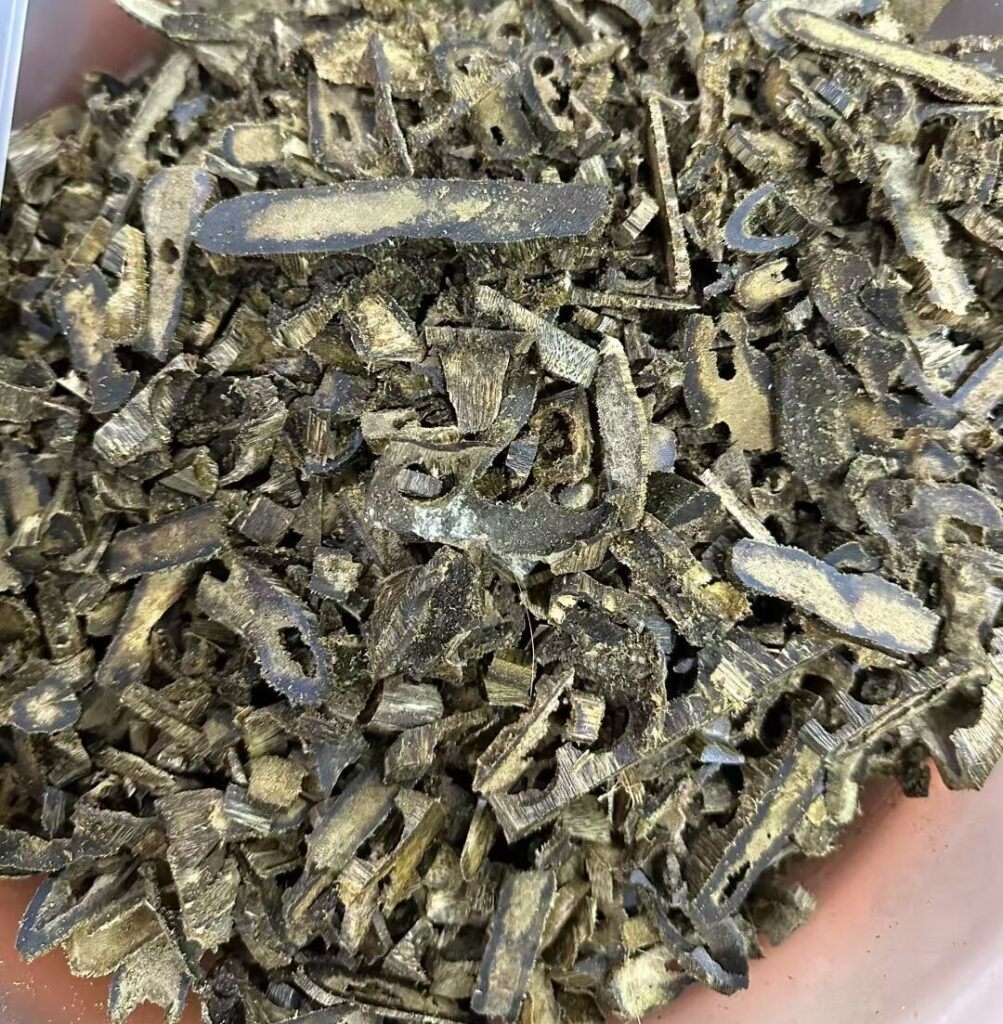
3. What are the benefits of cultivated qinan agarwood?
Controllable quality, avoiding blind harvesting of wild agarwood. Protecting endangered plant resources, green and environmentally friendly. Lower cost than wild agarwood, suitable for daily wear or incense beginners; mature technology and stable output, suitable for collection and investment.
This article was compiled by "Chenxiang123"; original source: https://www.chenxiang123.com/rengong-zhongzhi-qinan-chenxiang/
Compiled for general knowledge; traditional references are cultural notes, not medical advice.
Frequently Asked Questions
What is Beginner's Guide to Agarwood?
As cultivated qinan agarwood farming expands, its short planting cycle, rapid resin formation, and high yield are drawing more growers. This article examines resin formation, aroma, quality, and benefits.
How should I choose agarwood?
Buy from traceable, testable channels and match the form (incense, beads, raw wood) to your use. Avoid exaggerated claims such as "wild" or "sinking grade" without proof, and prefer products with lab reports and origin documentation.
How should agarwood be stored and maintained?
Agarwood dislikes moisture, odours and direct sunlight. Keep it sealed, dark and cool, store different origins separately, and air and inspect long-stored pieces periodically against mould and insects.
How can I tell real agarwood from fake?
Authentication combines sensory checks with technical ones: natural agarwood has a clean, long-lasting, cool-sweet scent and burns with pale, non-pungent smoke. GC-MS analysis of characteristic compounds (chromones, sesquiterpenes) adds objective confirmation. Buying through traceable channels with certificates lowers the risk.
How do agarwood origins differ?
Climate, tree species and resin-induction methods give each origin a distinct scent profile — for example Hainan tends to be clean and elegant, Vietnam sweet and cool, Indonesia deep and full. Origin is a key factor in grading and pricing.
What is the current agarwood market like?
Prices diverge sharply by resin density, origin and form, with both top-end collectibles and entry-level consumer products active. Use actual transactions from legal, testable channels as reference rather than a single quotation.
What is the relationship between agarwood and incense culture?
Agarwood is the core medium of East Asian incense culture, spanning temple offerings, literati gatherings and contemporary lifestyle aesthetics. Understanding this cultural background helps explain its value.
Does agarwood have health benefits?
Traditionally agarwood has been used for calming and sleep-related rituals, but evidence quality and dosage need careful reading. Keep traditional use and scientific evidence clearly separated and follow professional guidance.
参考资料
You may also like



评论区
评论匿名可浏览,登录后可发表;提交后先审后显。
评论加载中…