
Qinan Agarwood: An Undefined 'Treasure'!
In recent years, within the agarwood community, a claim has been circulating, sometimes deliberately and sometimes unwittingly: "Cultivated qinan is not agarwood at all; there is no point in using it to make tea, infuse liquor, or burn as incense." At first hearing, this sounds reasonable and even carries a hint of "professional connoisseurship." But on closer examination, it conceals quite a few misunderstandings.

Recently, the First China (Maoming) Dianbai Qinan Agarwood Industry Expo was held in Dianbai. So, is qinan agarwood actually agarwood? Is it really "meaningless"? Especially today, as scientific research deepens and the health industry flourishes, we need to examine this topic seriously from a more rational and open perspective.
Qinan and agarwood are brothers "from the same root"
First, the conclusion: qinan is, of course, agarwood.
We can regard qinan agarwood and ordinary agarwood as brothers "from the same root." They both come from the same tree—Aquilaria sinensis, commonly known as the "agarwood tree." The difference is that qinan agarwood is a high-quality strain cultivated through grafting technology, which after years of selection has developed relatively stable characteristics.
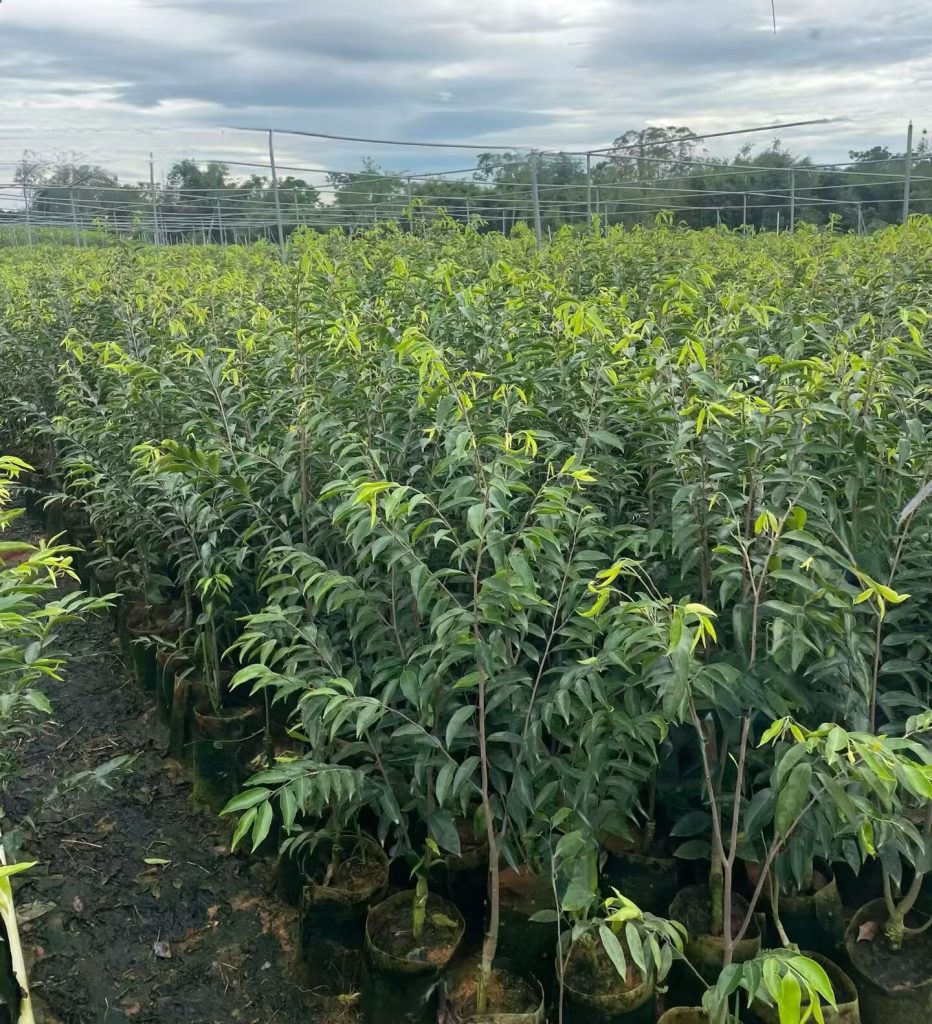
By analogy, this is like the relationship between ordinary apples and Red Fuji. Can you say Red Fuji is not an apple? Of course not. It is simply an excellent variety of apple—sweeter, more fragrant, and higher in market value. Qinan agarwood occupies a similar position relative to agarwood.
Therefore, the claim that "qinan agarwood is not agarwood" actually mistakes "varietal difference" for "denial of identity."
Then why does the claim that "qinan is not agarwood" exist?
The source of this misunderstanding is related to the quality standards for agarwood in the current Chinese Pharmacopoeia.
According to the Chinese Pharmacopoeia, one important indicator in the evaluation criteria for agarwood medicinal material is "agarotetrol." This is a specific chemical component regarded as an important manifestation of agarwood's medicinal value. Scientific research has found that the content of "agarotetrol" in qinan agarwood is indeed not high, and in some strains it is barely detectable.
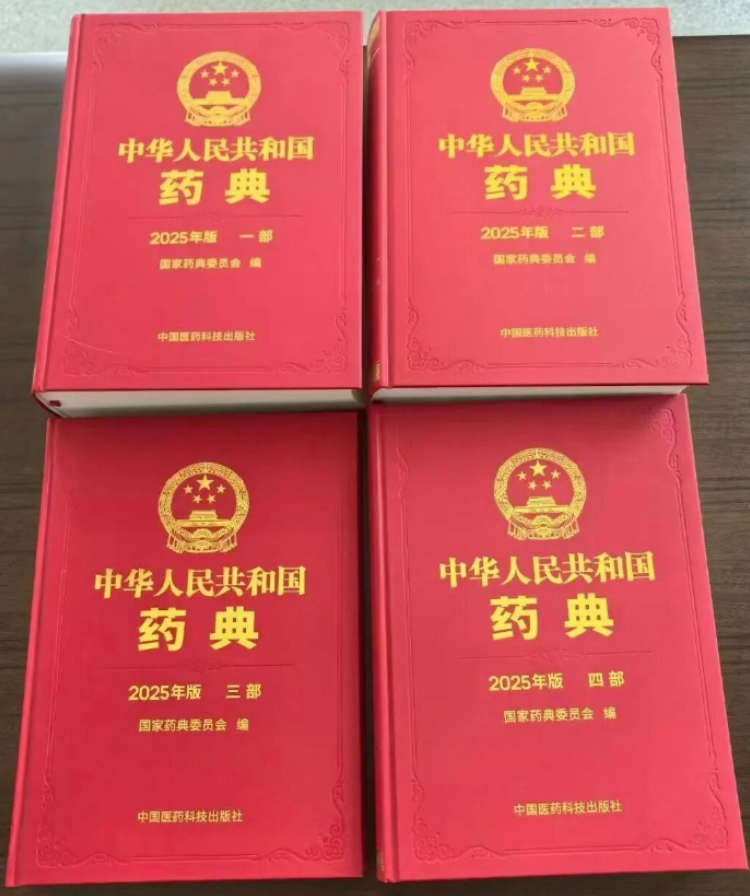
So the question arises: if, according to Pharmacopoeia standards, qinan agarwood does not meet the requirements for medicinal use, does it still count as agarwood?
This is like saying that if the standard for judging fruit were based solely on "vitamin C content," then lemons would undoubtedly be champions, while apples, bananas, grapes, and other fruits low in vitamin C would be expelled from the "fruit world." That is clearly unreasonable.
When judging something, different standards naturally lead to different conclusions. The value of qinan cannot be defined by a single indicator such as "agarotetrol."
The "specialty" of qinan agarwood lies in another group of components
Since qinan agarwood does not excel in "agarotetrol," where do its advantages lie?
The answer is: sesquiterpenes and specific chromone compounds.
These names sound a bit cumbersome, but they are precisely hotspots in modern scientific research. In recent years, scholars in China and abroad have conducted systematic studies on the chemical composition of qinan agarwood and found that it is rich in various sesquiterpenes and 2-(2-phenylethyl)chromone compounds. In in vitro experiments, these components have shown good anti-inflammatory, antioxidant, neuroprotective, and other biological activities.
In other words, the "specialty" of qinan agarwood lies not in traditional medicinal use but in its aroma profile and biological activity. It is precisely these unique components that give qinan an extremely rich and variable aroma: a fresh and sweet top note, a rich middle note, and a long-lasting base note, with clear layers and endless variation. In the eyes of incense enthusiasts, such an aroma performance is considered top-grade.
Safety is supported by scientific research data
Of course, when it comes to daily incense appreciation, safety comes first. On this point, scientific research is already ahead.
The Chinese Academy of Tropical Agricultural Sciences and other institutions have conducted systematic toxicological studies on cultivated qinan agarwood. Mouse experiments have confirmed that cultivated qinan agarwood is a substance of actual non-toxicity. This means that under normal conditions of use, it is safe for the human body and can be used with confidence.
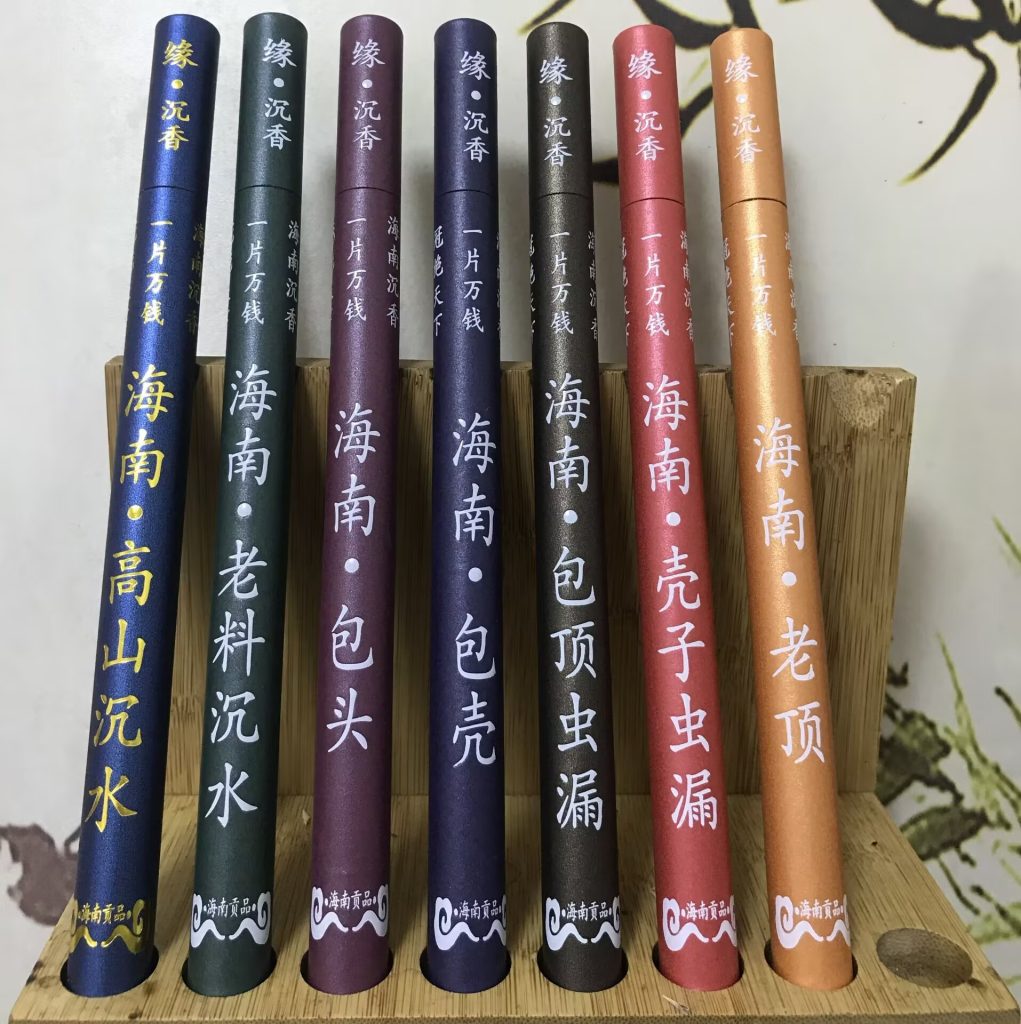
Qinan agarwood turns a "luxury" into an "everyday item"
If wild agarwood is "gold in the forest," then cultivated qinan agarwood is what brings this fragrance into ordinary households.
In the past, wild agarwood cost a fortune per gram and was beyond the reach of ordinary people. Today, with breakthroughs in cultivation technology, qinan agarwood can undergo resin formation in 3–5 years, with better quality at 7–8 years, stable yields, and prices that have returned to rationality—falling from former "sky-high" levels to a range of tens to hundreds of yuan.
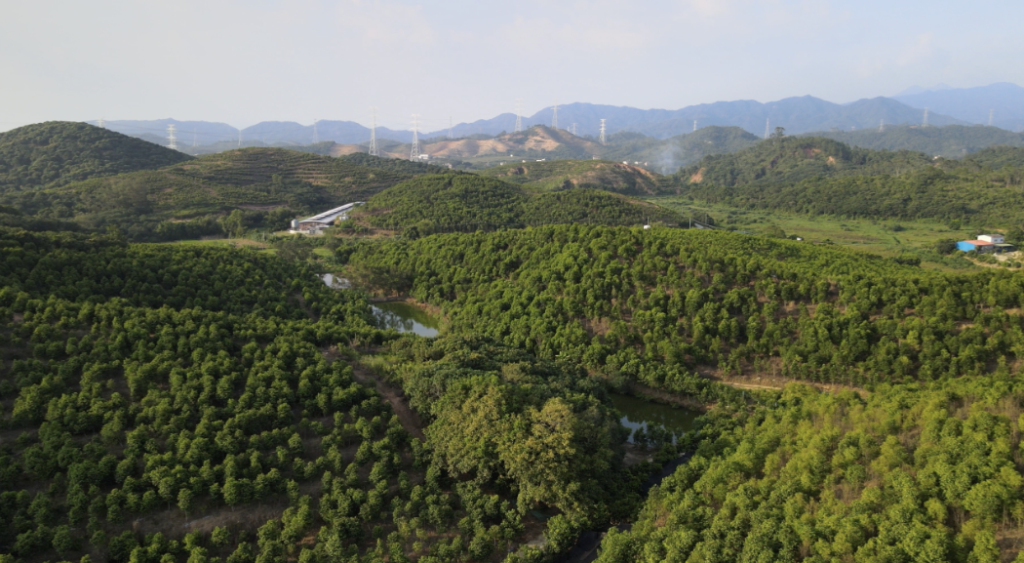
What does this mean? It means that what was once a luxury only a few could enjoy has now become something ordinary people can also enjoy in daily life: an incense stick during a work break, essential oil massage for relaxation before bed... These scenes are entering more and more households.
Letting agarwood go from "occasionally smelled" to "used every day," and letting traditional culture return to life itself—this in itself is the greatest significance of qinan agarwood.
Conclusion: Qinan agarwood is a "treasure house" not yet fully defined by traditional Pharmacopoeia standards. It may not yet be usable as a "medicine," but as "incense" and "nourishment" in daily life, it has its own unique charm and value. We should perhaps be more open-minded when looking at new things. Standards are made by people, while the richness of nature far exceeds our imagination. What is not recognized by "standards" today may become the new standard tomorrow. The story of qinan agarwood may have only just begun.
This article was compiled by "Chenxiang123" from the original source: https://www.chenxiang123.com/qinan-chenxiang-china-yaodian/
Compiled for general knowledge; traditional references are cultural notes, not medical advice.
Frequently Asked Questions
What is Qinan Agarwood?
In recent years, a claim has circulated in the agarwood community that cultivated qinan is not agarwood at all. This article examines that misunderstanding from a scientific and industry perspective.
How should I choose agarwood?
Buy from traceable, testable channels and match the form (incense, beads, raw wood) to your use. Avoid exaggerated claims such as "wild" or "sinking grade" without proof, and prefer products with lab reports and origin documentation.
How should agarwood be stored and maintained?
Agarwood dislikes moisture, odours and direct sunlight. Keep it sealed, dark and cool, store different origins separately, and air and inspect long-stored pieces periodically against mould and insects.
How can I tell real agarwood from fake?
Authentication combines sensory checks with technical ones: natural agarwood has a clean, long-lasting, cool-sweet scent and burns with pale, non-pungent smoke. GC-MS analysis of characteristic compounds (chromones, sesquiterpenes) adds objective confirmation. Buying through traceable channels with certificates lowers the risk.
How do agarwood origins differ?
Climate, tree species and resin-induction methods give each origin a distinct scent profile — for example Hainan tends to be clean and elegant, Vietnam sweet and cool, Indonesia deep and full. Origin is a key factor in grading and pricing.
What is the current agarwood market like?
Prices diverge sharply by resin density, origin and form, with both top-end collectibles and entry-level consumer products active. Use actual transactions from legal, testable channels as reference rather than a single quotation.
What is the relationship between agarwood and incense culture?
Agarwood is the core medium of East Asian incense culture, spanning temple offerings, literati gatherings and contemporary lifestyle aesthetics. Understanding this cultural background helps explain its value.
Does agarwood have health benefits?
Traditionally agarwood has been used for calming and sleep-related rituals, but evidence quality and dosage need careful reading. Keep traditional use and scientific evidence clearly separated and follow professional guidance.
参考资料
You may also like



评论区
评论匿名可浏览,登录后可发表;提交后先审后显。
评论加载中…