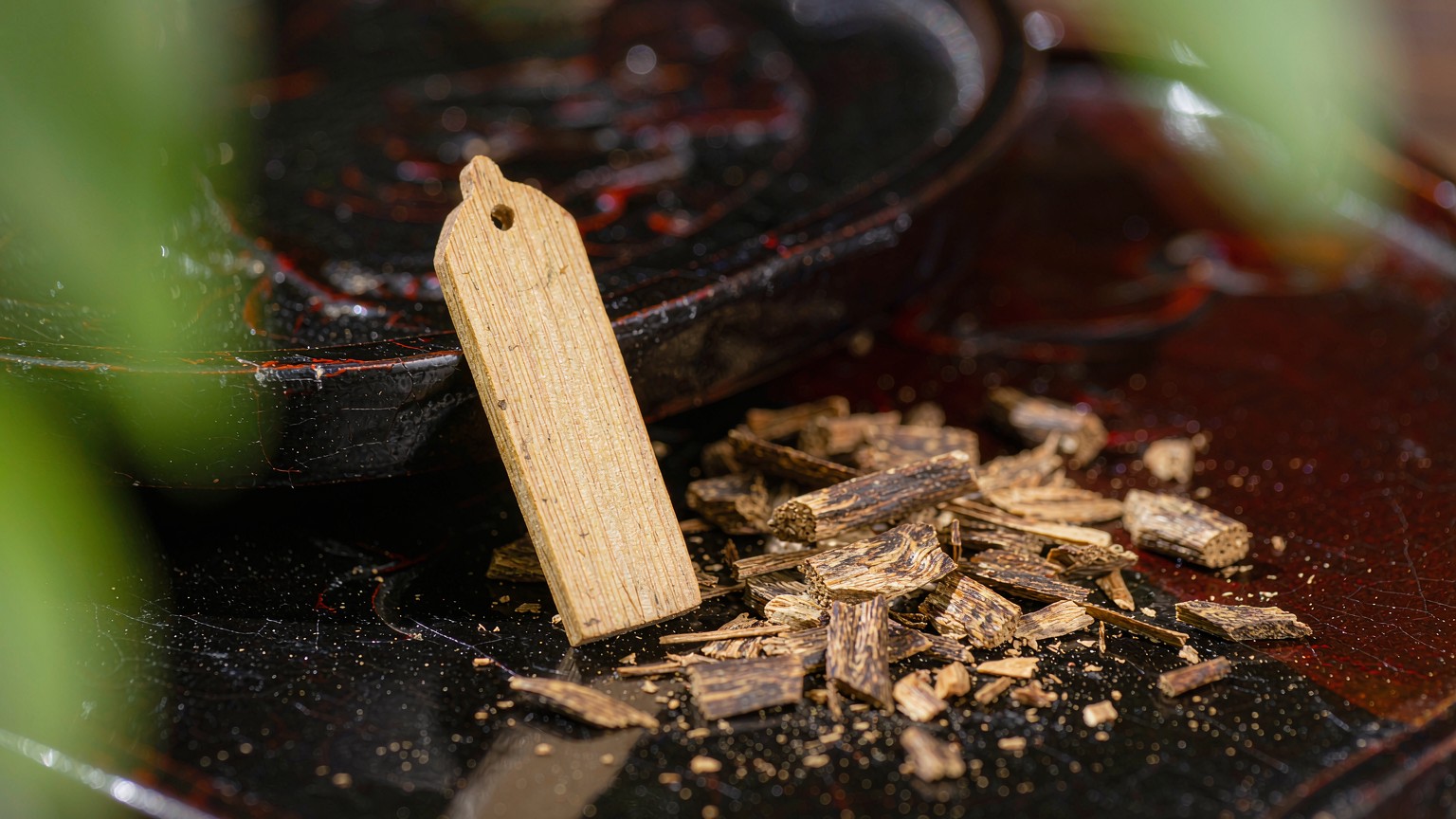
Hainan's 'Qiongzhi Tianxiang' Agarwood and the 'Queen of Woods'
In Hainan, there are two wondrous and precious trees: agarwood and Huanghuali. Hainan agarwood, also known as "Qiongzhi Tianxiang," "Yaxiang," or "Qiongzhi," has long enjoyed the reputation of being "a piece worth ten thousand coins, peerless under heaven," while Hainan Huanghuali is called the "Queen of Woods."
As rare and precious products, Hainan agarwood and Huanghuali have been tribute items since the Tang and Song dynasties, and were even more highly esteemed during the Ming and Qing dynasties. Over the centuries, they have become cultural symbols with distinctive Hainan characteristics. As the Hainan provincial key project "Tianxiang Guose—The Second Hainan Agarwood and Huanghuali International Trade Fair" (hereinafter referred to as the "Tianxiang Guose Exhibition") is set to be held from November 27 to 30, 2025, at the Hainan International Convention and Exhibition Center (Haikou), let us explore the stories of these two Hainan treasures.
Passed Down Through the Ages
China has a long history of incense use—appreciating incense, making incense, burning incense, and incense competitions—and this elegant practice has been passed down from ancient times to the present. Among the myriad aromatic materials, "chen, tan, long, she" (agarwood, sandalwood, ambergris, and musk) are most favored, with agarwood taking the top place and receiving a uniquely special preference.
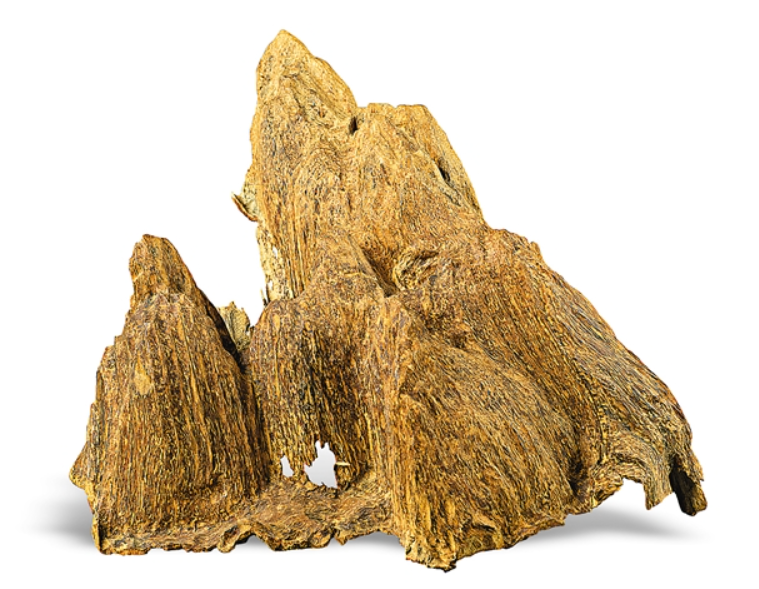
Tracing back, the Chinese have used agarwood for at least 2,000 years. During the Tang and Song dynasties, literati and scholars read with incense as a companion and spent time in solitude with incense nearby; incense was burned in official halls to create a solemn atmosphere and in pine pavilions to convey elegance, prompting literati to exclaim, "Without incense, how can one gather?"
Before the Tang dynasty, agarwood was merely a luxury for the royal family and high officials; some even built pavilions with agarwood, the most famous being the Chenxiang Pavilion in Xingqing Palace in Chang'an. By the Song dynasty, as incense burning became widespread in government offices, temples, and the residences of literati, demand for incense surged across society, and the imperial court established the Xiangyao Institute.
Legend has it that Hainan also has a place named after agarwood: Xiangshui Bay. In ancient times, the Niuling Mountain area around Xiangshui Bay was covered with Aquilaria sinensis trees. Some trees died of old age or withered and fell; their rotted fragments and broken pieces were washed by rivers into the sea, filling the entire bay with fragrance—hence the name Xiangshui Bay.
Because of its beautiful grain, soft luster, and delicate fragrance, Hainan Huanghuali was also regarded as a precious plaything by dignitaries and literati from an early date. As early as the Tang dynasty, the medical scholar Chen Cangqi stated in Bencao Shiyi: "Huali wood comes from Annam and the South Seas; used for beds and tables, it resembles rosewood but is redder in color and firm and fine in nature." The Song dynasty geographer Zhao Rugua wrote in Zhufan Zhi: "Local products include agarwood and Huali wood, and 'their goods mostly come from the Li峒 regions.'"
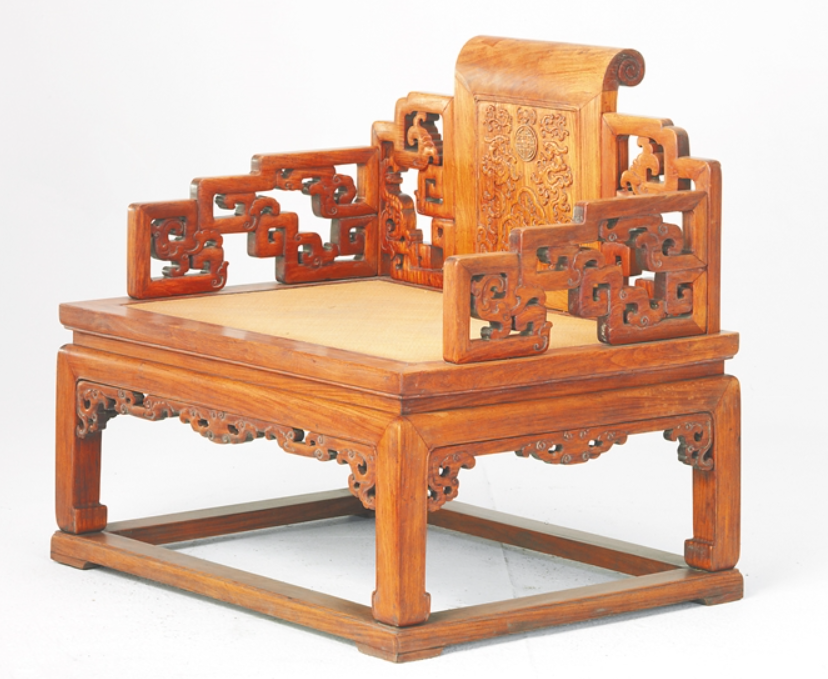
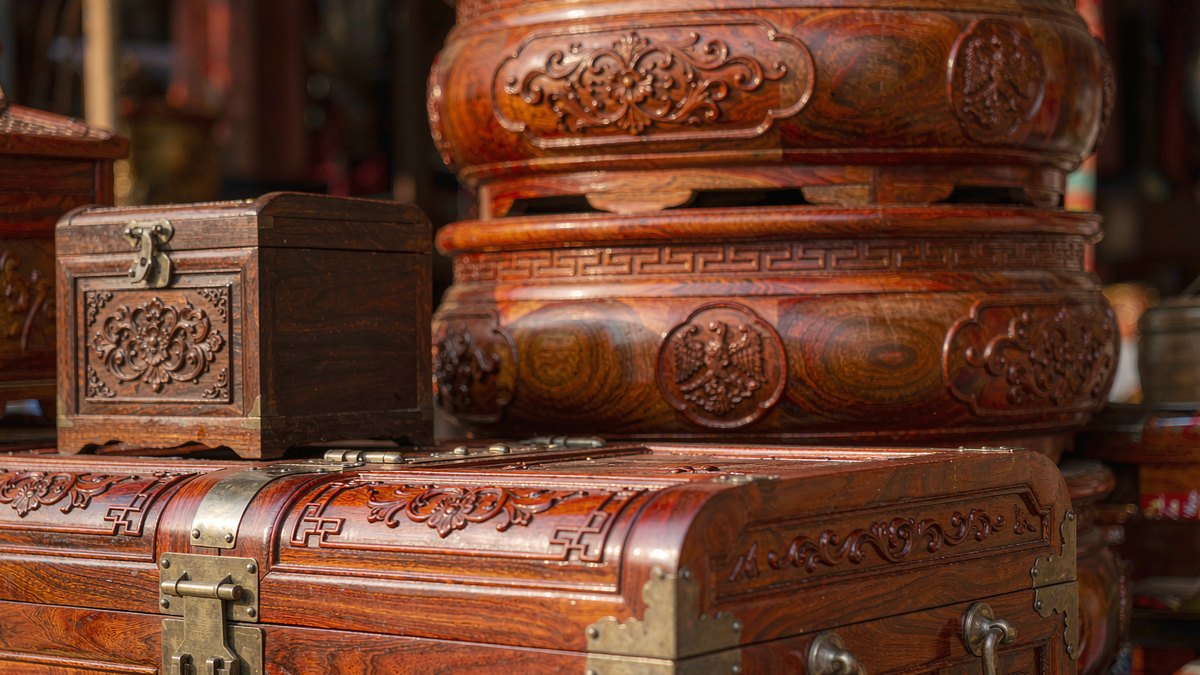
Hainan Huanghuali is resistant to deformation and cracking, has good processing performance, moderate softness and weight, and is suitable for making mortise-and-tenon joints. Its unique warm yellow tone and rich grain lines make it easy to blend dark and light colors, capable of presenting light yellow, deep yellow, and dark brown, and it is also suitable for inlay work. Consequently, Hainan Huanghuali became the preferred material for displaying royal grandeur and status, and was later gradually used by rulers and wealthy classes.
Renowned Since Ancient Times
Marked by the Northern Song scholar Ding Wei's Tianxiang Zhuan, which systematically introduced Hainan aromatics, Hainan agarwood rose to fame. Many notable figures across dynasties praised Hainan agarwood. Su Dongpo commented that Hainan agarwood is "firm as gold, lustrous as jade, with the bone of a crane and the sinew of a dragon, its resin fully suffused within." Li Shizhen called it "peerless under heaven, known as Hainan agarwood, a piece worth ten thousand coins." From the late Ming to the Qing dynasty, ancient texts such as Guangdong Xinyu, Yuezhong Jianwen, Liqi Jianwen, and Lingnan Zaji all recorded Hainan agarwood trees.
Through centuries of accumulation, Hainan agarwood has been pushed to its peak time and again, giving rise to countless beautiful and moving incense stories and forming a long and rich agarwood culture.
Why has Hainan agarwood become the "leader among all fragrances"? Scholars believe this is inseparable from its unique geographical environment. Hainan has a tropical maritime monsoon climate with long sunshine hours and an annual average temperature of 22°C to 26°C. With high temperatures and abundant rainfall, coupled with gentle terrain and deep soil, the entire island is suitable for agarwood tree growth. Due to ample light and heat and the concurrence of rain and heat, Hainan agarwood grows faster than in Guangdong, Guangxi, Yunnan, Fujian, and other provinces.
Meanwhile, Hainan Huanghuali, as a top-tier timber, sparked brilliantly with Ming-style furniture, driving its value ever higher—"an inch of wood, an inch of gold"—making it the supreme wood in the field of furniture materials.
From the late Ming dynasty to the mid-Qing dynasty, Huanghuali became the primary material for making high-end palace furniture. Ming and Qing palace furniture features unique structures, ingenious designs, fine carving, and superb craftsmanship. Ming and Qing furniture made from Hainan Huanghuali heartwood is simple and elegant, durable, and can emit a subtle fragrance for a long time, possessing very high collectible value.
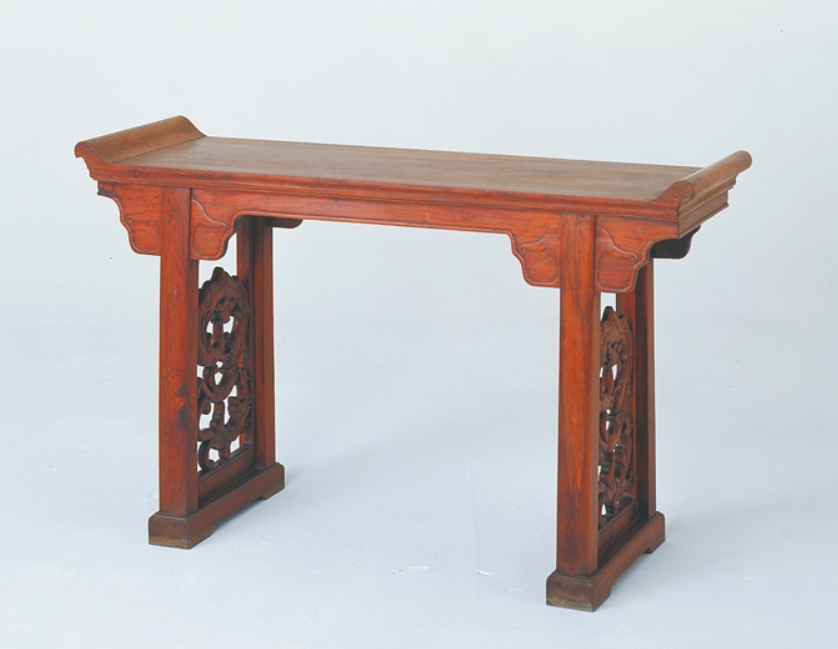
In the 1960s and 1970s, local Hainan residents did not yet understand the value of Huanghuali; Huanghuali wood was often used to make farm tools or ordinary furniture, or even burned as firewood. When building wooden structures, people preferred merbau or lychee wood, and thus a saying circulated in rural Hainan: "The poor use Huali, the rich use lychee."
After entering the 21st century, Huanghuali furniture became a "darling" of the market. Not only did Hainan see a surge in Huanghuali collecting, but many people in Beijing, Shanghai, Guangdong, and elsewhere also began collecting Hainan Huanghuali furniture. Correspondingly, the price of Hainan Huanghuali rose steadily.
Adapting to the Trends of the Times
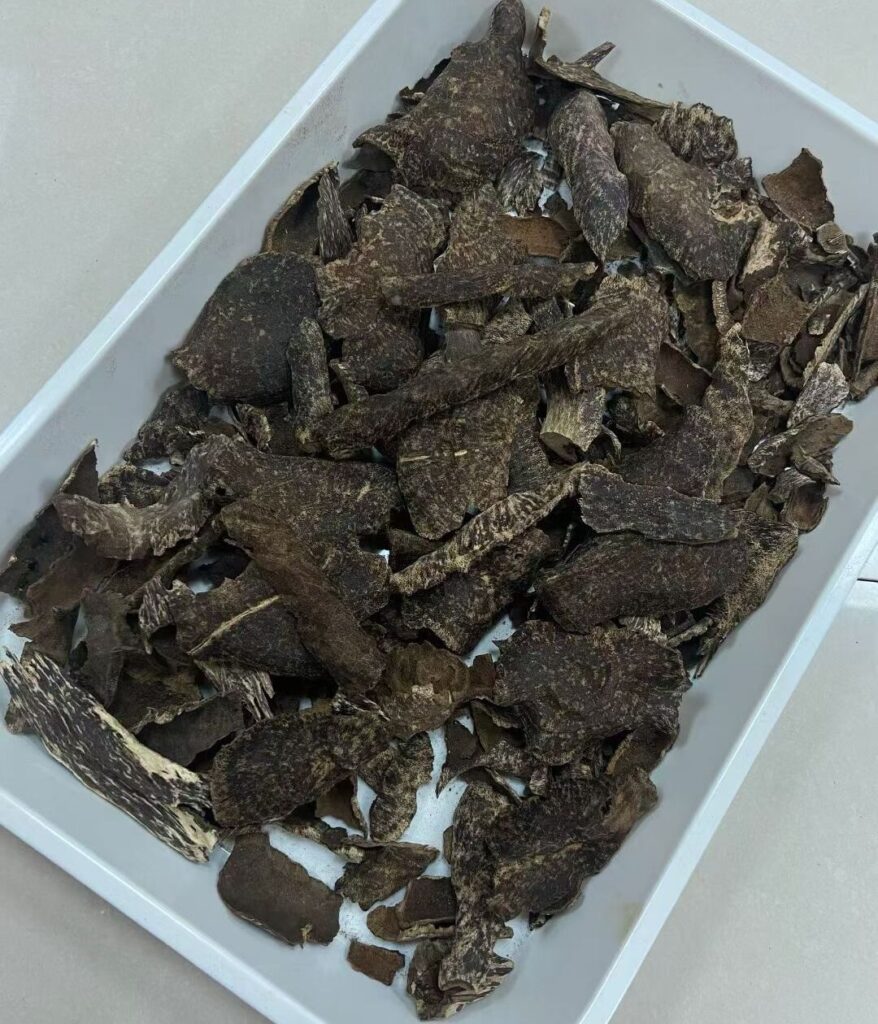
Today, Hainan agarwood exists not only in the world of collectibles and incense but can also be transformed into everyday products. In the production workshop of the Hainan Minghe Agarwood Industrial Park in Poxin Town, Tunchang County, products such as agarwood essential oil, agarwood tea, agarwood liquor, and agarwood ornaments are displayed in abundance. On the shelves, agarwood moxa sticks are neatly arranged, ready to be packaged and shipped across the country and even to overseas markets such as Italy.
"The unique calming effect of agarwood determines its potential to reach a much larger health supplement and daily chemical products market," said Hu Yanming, president of the Tunchang County Agarwood Association and chairman of Hainan Minghe Agricultural Development Co., Ltd. He noted that through cooperation with research institutions, developing functional agarwood products can fill the gap in deep-processing products in the Hainan agarwood market and promote the upgrading of the agarwood industry.
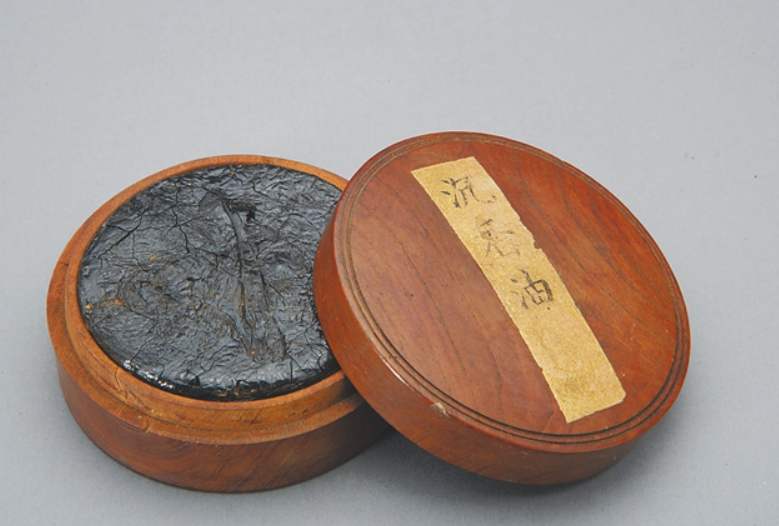
High-quality agarwood products from Hainan are gaining recognition from more and more consumers. Zhu Wenfei, a merchant from Henan, visits Hainan several times almost every year to order agarwood products. "I can clearly feel that market demand is increasing, especially among beauty, health care, and wellness institutions in Henan, Shanghai, and other places—agarwood products are somewhat in short supply."
For a long period in the past, Huali wood resources gradually dwindled, and the difficulty of obtaining the wood made Huanghuali furniture, to some extent, a symbol of identity and status. Fu Jiyu, a representative inheritor of Hainan Huanghuali furniture-making techniques, explained that modern Huanghuali furniture has undergone great changes with the continuous development of industrial technology and society, and contemporary-style Huanghuali furniture better meets people's needs.
At present, the design and production of Hainan Huanghuali furniture works mostly revolve around improving classic Ming and Qing styles, absorbing the essence of traditional furniture, and continuously designing many new varieties and styles, which are called "modern Huanghuali furniture."

"Although Hainanese people have traditionally made furniture from Huanghuali, when creating these works, between practicality and artistry, I choose to put artistry first," Fu Jiyu said. He noted that precisely because good Huanghuali wood is becoming scarcer today, and each piece of Huanghuali wood has a unique grain, when encountering good material during design, one should instead preserve its most original grain and make it a one-of-a-kind piece in the world.
Hainan Agarwood Profile:
Agarwood is the king of fragrances and the diamond among woods. Since ancient times, China has had the saying "chen, tan, long, she" (agarwood, sandalwood, ambergris, and musk). Agarwood ranks first among all fragrances, with elegant quality, a unique scent, and rare availability. Plants capable of producing agarwood include 21 species of the genus Aquilaria and 7 species of the genus Gyrinops in the Thymelaeaceae family. Since the Ming and Qing dynasties, this precious aromatic produced in the Hainan Island region, together with Huanghuali wood from the depths of the Li mountains, has been presented to the imperial palace as important tribute. A large number of scholar's desk items made from agarwood have been highly esteemed for their fine craftsmanship and meticulous materials.
What Sinks in Water Is Called "Agarwood"
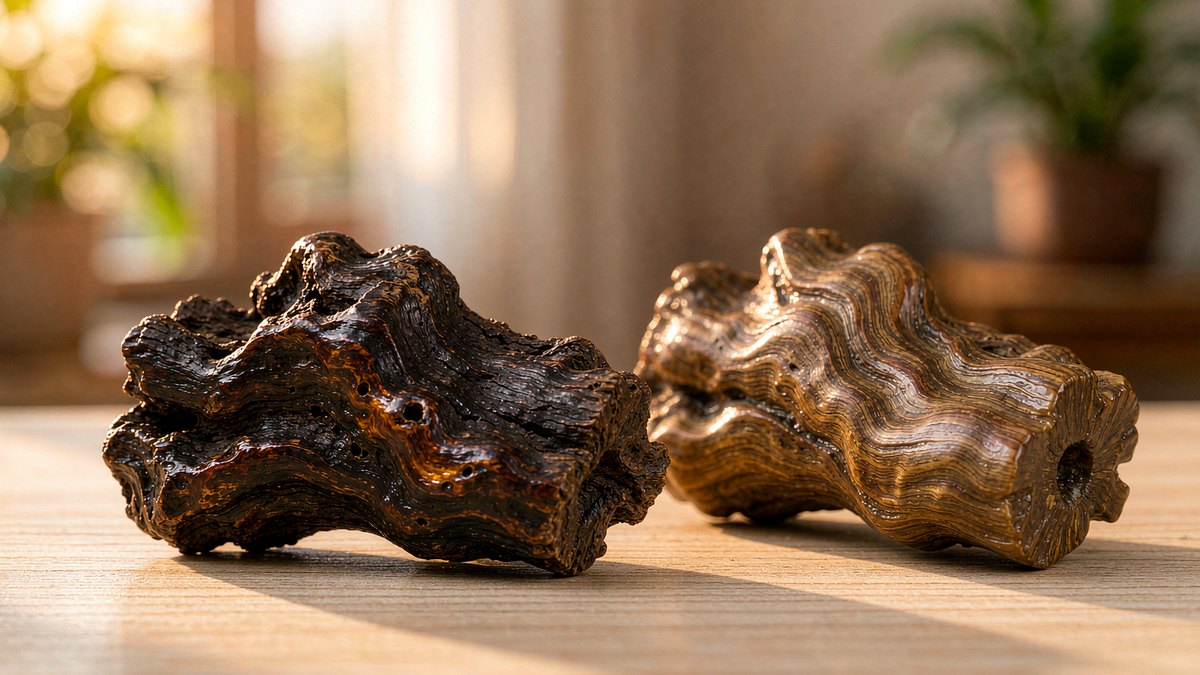
The Book of Liang, completed in the ninth year of the Zhenguan era of the Tang dynasty, records: "Chenmu (sinking wood): the local people cut it down and leave it for years; when the rotten parts decay and only the heart remains, it sinks when placed in water, hence the name chenxiang (agarwood)." This shows that agarwood is so named because of its characteristic of sinking in water.
Agarwood is a crystallization of natural creation, as can be seen from its formation. Wild agarwood, also called natural agarwood, is produced by plants of the genera Aquilaria and Gyrinops after natural wounds such as insect damage, bird or animal pecking, disease and rot, wind damage, lightning strikes, or fire, or under conditions of flooding, burial in soil, or swamp environments.
Hainan Huanghuali Profile:
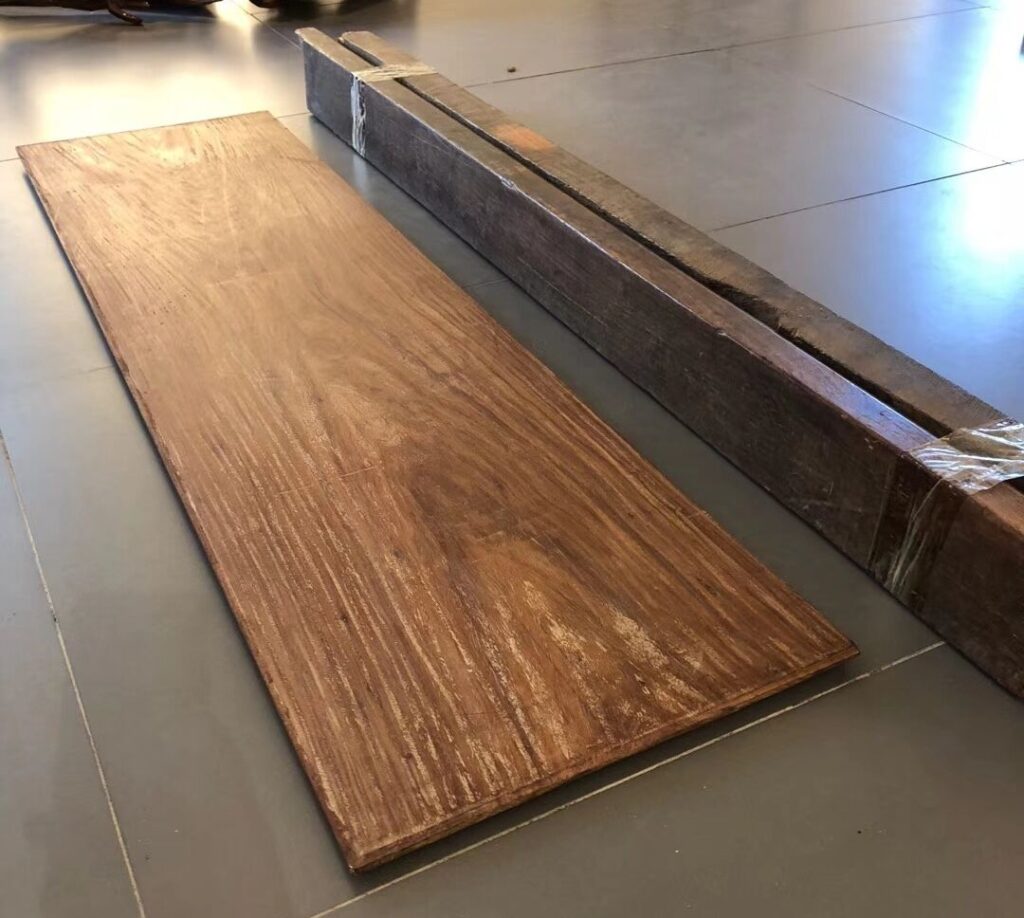
Hainan Huanghuali, with the scientific name Dalbergia odorifera, is a high-quality timber unique to Hainan. It is a national second-class key protected rare and endangered plant and has now been introduced to Guangdong, Guangxi, Yunnan, Fujian, and other places. Because of its rich oils, fresh fragrance, deep color, exquisite grain, fine fibers, solid wood, moderate hardness, and resistance to insects and decay, it ranks among the five famous woods and is deeply loved by literati. It has become the preferred material for Chinese classical furniture, especially high-end Ming dynasty furniture and scholar's desk items.
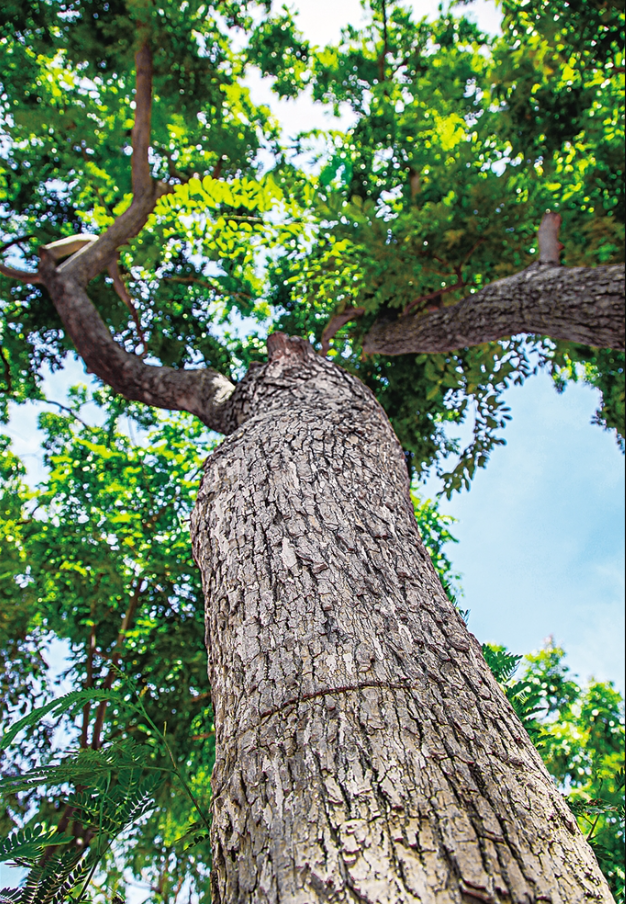
Hainan Huanghuali, the "Queen of Woods," Famous Since Ancient Times
Hainan Huanghuali is generally called "Huali" or "Hualü" in ancient books. The Tang scholar Chen Cangqi said in Bencao Shiyi: "Hualü comes from Annam and Hainan; used for beds and tables, it resembles rosewood but is redder in color and firm and fine in nature." The Qing dynasty Qiongzhou Fuzhi records: "Huali wood is purple-red, similar to Jiangzhenxiang, with a slight fragrance, produced in the Li mountains." From the late Ming dynasty to the mid-Qing dynasty, Huanghuali was the primary material for making high-end palace furniture and was hailed as the "Queen of Woods."
Compiled for general knowledge; traditional references are cultural notes, not medical advice.
Frequently Asked Questions
What is Hainan's 'Qiongzhi Tianxiang' Agarwood and the 'Queen of Woods'?
Hainan is home to two rare and precious trees: agarwood and Huanghuali. Hainan agarwood, also known as 'Qiongzhi Tianxiang,' 'Yaxiang,' or 'Qiongzhi,' has long been praised as 'a piece worth ten thousand coins, peerless under heaven,' while Hainan Huanghuali is called the 'Queen of Woods.'
How should I choose agarwood?
Buy from traceable, testable channels and match the form (incense, beads, raw wood) to your use. Avoid exaggerated claims such as "wild" or "sinking grade" without proof, and prefer products with lab reports and origin documentation.
How should agarwood be stored and maintained?
Agarwood dislikes moisture, odours and direct sunlight. Keep it sealed, dark and cool, store different origins separately, and air and inspect long-stored pieces periodically against mould and insects.
How can I tell real agarwood from fake?
Authentication combines sensory checks with technical ones: natural agarwood has a clean, long-lasting, cool-sweet scent and burns with pale, non-pungent smoke. GC-MS analysis of characteristic compounds (chromones, sesquiterpenes) adds objective confirmation. Buying through traceable channels with certificates lowers the risk.
How do agarwood origins differ?
Climate, tree species and resin-induction methods give each origin a distinct scent profile — for example Hainan tends to be clean and elegant, Vietnam sweet and cool, Indonesia deep and full. Origin is a key factor in grading and pricing.
What is the current agarwood market like?
Prices diverge sharply by resin density, origin and form, with both top-end collectibles and entry-level consumer products active. Use actual transactions from legal, testable channels as reference rather than a single quotation.
What is the relationship between agarwood and incense culture?
Agarwood is the core medium of East Asian incense culture, spanning temple offerings, literati gatherings and contemporary lifestyle aesthetics. Understanding this cultural background helps explain its value.
Does agarwood have health benefits?
Traditionally agarwood has been used for calming and sleep-related rituals, but evidence quality and dosage need careful reading. Keep traditional use and scientific evidence clearly separated and follow professional guidance.
参考资料
You may also like
评论区
评论匿名可浏览,登录后可发表;提交后先审后显。
评论加载中…