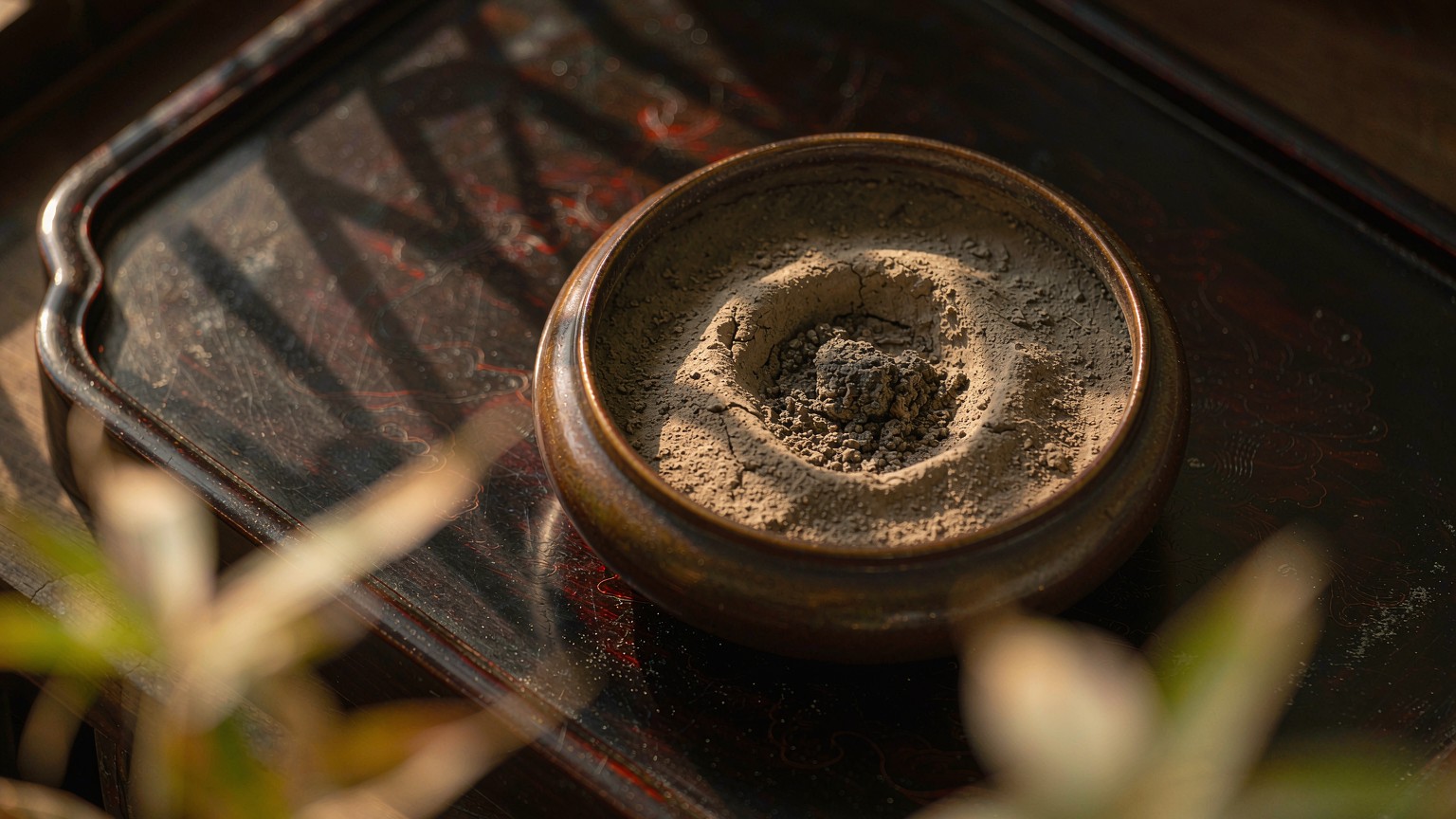
Why Hainan Agarwood Remains the Supreme Treasure of the Fragrance World
"A heritage of incense spanning a thousand years" — why does Hainan agarwood hold the throne as the "supreme treasure of the fragrance world"? Hainan agarwood has endured for thousands of years not simply because of its "scarcity," but because it has built irreplaceable core competitiveness across four dimensions: cultural value, medicinal efficacy, aroma characteristics, and collectibility. This competitiveness runs through history, permeates multiple fields, and has ultimately made it a highly symbolic "treasure" of Chinese culture.
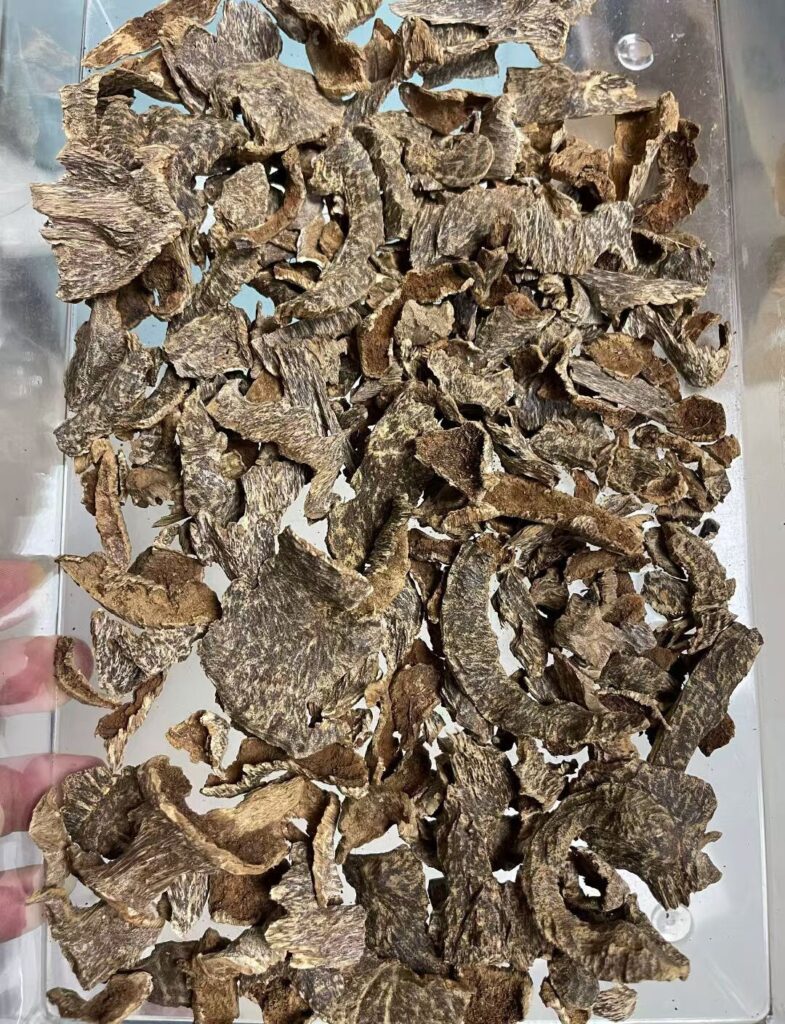
I. Cultural Value: From "Imperial Tribute" to "Spiritual Symbol," Spanning Millennia of Civilization
The "endurance" of Hainan agarwood stems first from its deep binding to the spiritual needs and hierarchical culture of traditional Chinese society, making it a cultural carrier that transcends social classes.
Ancient times: An "identity symbol" exclusive to the imperial court — as early as the Han Dynasty, Hainan agarwood entered the Central Plains as "tribute." According to Xijing Zaji, Emperor Cheng of Han once used Hainan agarwood to make "mosquito smoke," showing its early association with "imperial luxury." By the Tang and Song dynasties, Hainan agarwood reached its zenith: when the Tang monk Jianzhen sailed east, he carried Hainan agarwood as "precious material";
In the Song Dynasty Taiping Guangji, Hainan agarwood was described as the "supreme among incense," usable only by the imperial family and high officials (when Su Shi was exiled to Hainan, he praised it: "Incense from Hainan is the finest under heaven");
During the Ming and Qing dynasties, Hainan agarwood became a "diplomatic ritual object" — when Zheng He sailed to the Western Ocean, he presented Hainan agarwood as a state gift to Southeast Asian nations, further expanding its cultural influence.
Modern times: A "living carrier" of traditional culture — with the revival of incense ceremony culture, Hainan agarwood has become a representative of "Chinese-style refined living": it is not only the core incense in incense ceremonies but also combined with calligraphy, tea ceremony, and Zen meditation, becoming a symbol of modern people's pursuit of "Eastern aesthetics" and "inner peace." This transformation from "identity symbol" to "spiritual sustenance" has freed it from the limitations of being an "antique" and allowed it to continuously integrate into contemporary culture.
II. Medicinal Efficacy: "Medicine and Incense from the Same Source" Certified by the Compendium of Materia Medica, with Practical Value
Hainan agarwood is not merely ornamental; its well-documented medicinal efficacy is the "practical foundation" that has kept it from being eliminated over millennia — from ancient medical texts to modern research, its medicinal value has been confirmed, rather than being a mere "luxury."
- Traditional Chinese Medicine perspective (textual certification)
Authoritative medical texts such as the Compendium of Materia Medica and Bencao Jing Jizhu explicitly record the medicinal efficacy of Hainan agarwood, which can be summarized as "regulating qi, relieving pain, and calming the spirit":
Promoting qi flow and relieving pain: for chest and abdominal distension and pain, and stomach cold with vomiting, it can alleviate discomfort by "regulating qi and soothing the liver" (the Compendium of Materia Medica states: "Agarwood, acrid in flavor, slightly warm, non-toxic, primarily treats wind-edema and toxic swelling, and removes foul qi");
Warming the middle and stopping vomiting: it has a regulatory effect on vomiting and hiccups caused by stomach cold, and was often used in ancient times as a "stomach-warming medicinal guide";
Calming the spirit and aiding sleep: its aroma can "sedate the nerves," and TCM practitioners commonly use agarwood powder and agarwood pills as adjunctive treatment for insomnia and anxiety. - Modern medical perspective (scientific corroboration)
Modern pharmacological research has further verified its efficacy:
The core components of agarwood — agarospirol and sinensis acid — have anti-inflammatory, antioxidant, and central nervous system-sedating effects, and can help regulate blood pressure and relieve nervous tension;
Agarwood volatile oil has a "bidirectional regulatory" effect on gastrointestinal smooth muscle, both relieving spasms (pain relief) and promoting digestion, highly consistent with the TCM efficacy of "regulating qi and harmonizing the stomach."
This "medicine and incense from the same source" attribute makes Hainan agarwood not only a "collectible" but also a "practical item," with demand scenarios extending from "incense ceremony" to "medicine and health preservation," giving it greater vitality and endurance.
III. Aroma Characteristics: A "Living Entity in Incense," a Unique Olfactory Experience
The core value of agarwood ultimately returns to "aroma," and the aroma of Hainan agarwood is called a "living entity in incense" by the industry — it is not a single fixed scent but a "dynamic aroma" that changes with time and environment, which other aromatic materials (such as sandalwood and musk) cannot replace.
Core advantages of Hainan agarwood's aroma:
Extremely strong layering: the initial note is "fresh and sweet" (similar to honey and fruit), the middle note shifts to "warm and moist" (with woody and milky notes), and the base note is "mellow and rich" (with slight medicinal and caramel notes); the aroma evolution can last for hours, like a "symphony for the sense of smell";
High "purity" of aroma: Hainan's unique tropical climate (high temperature, high humidity, frequent typhoons) allows the aromatic components accumulated during the resin formation process of agarwood trees to be purer, without off-notes (such as the "earthy" or "pungent" notes that agarwood from other producing regions may have);
"Long-lasting sillage": the aroma of premium Hainan agarwood (such as "qinan grade") has strong adsorption; even when made into incense products, the aroma can remain in a space for hours after burning, with no irritating smoke.
This "unique, dynamically changing" aroma makes Hainan agarwood the "ultimate pursuit" of incense enthusiasts — it is not a "one-time" olfactory stimulation but a "olfactory artwork" that can be repeatedly savored and explored.
IV. Collectibility: "Scarcity + Non-renewability," Forming a Value Closed Loop
The "endurance" of Hainan agarwood is also inseparable from its stringent formation conditions and scarcity — it is not a "mass-producible" commodity but a "scarce resource gifted by nature," an attribute that keeps it consistently high-value in the collectors' market.
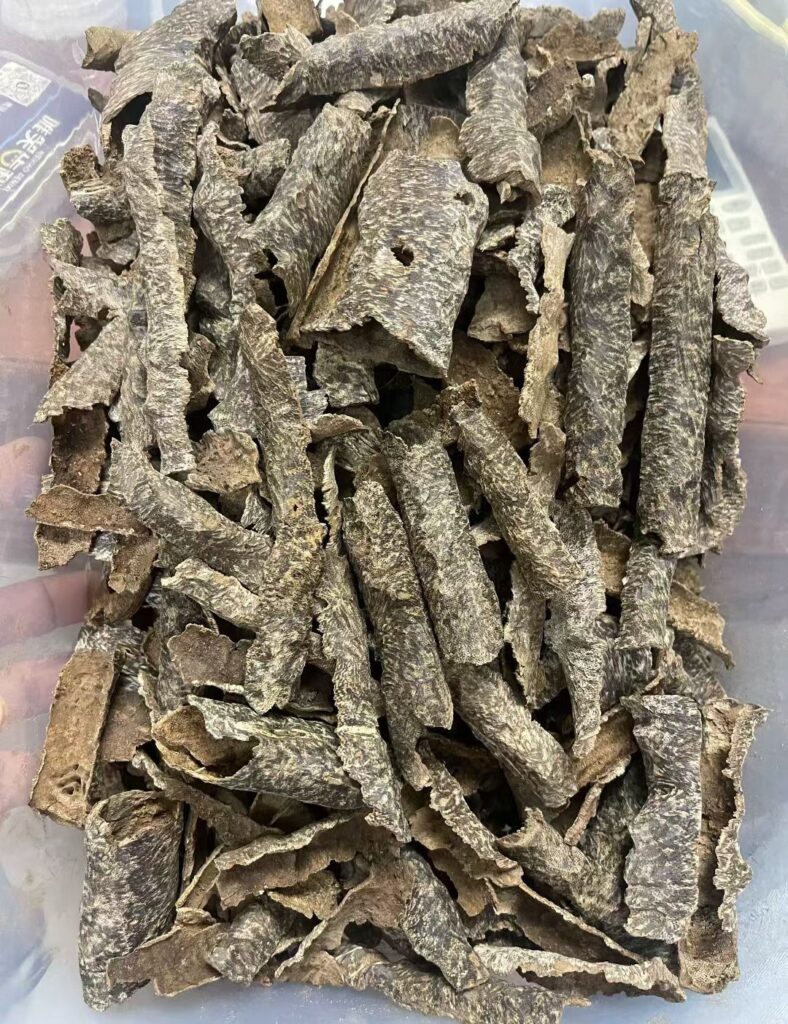
Core reasons for scarcity:
Extremely difficult resin formation: agarwood trees (Aquilaria sinensis) only secrete resin to cover wounds after being "injured" (such as by insect attack, lightning strike, or felling), and only after decades or even centuries of "aging" can agarwood form — the resin formation rate is less than 10%, and due to Hainan's special climate, the probability of premium resin formation (such as "mature resin" and "qinan") is even lower;
Historical over-exploitation + resource protection: during the Ming and Qing dynasties, due to massive imperial demand, Hainan agarwood was over-harvested; by the end of the 20th century, wild Aquilaria sinensis trees were listed as "National Second-Class Protected Plants," and illegal logging was prohibited; currently, premium Hainan agarwood on the market is mostly "old material" (stock harvested decades ago) or "cultivated resin formation" (which still requires a cycle of 10+ years), with very limited total quantity;
"Non-renewability": the "aging" of agarwood depends on time; even with cultivated agarwood trees, the cycle of "resin formation + aging" cannot be shortened (premium agarwood requires at least 30 years), and the aroma and grain of each piece of agarwood are unique and cannot be replicated — this "uniqueness" makes it a "hard currency" in the collectors' market.
Scarcity brings "value preservation and appreciation," and "value preservation and appreciation" further drives collector demand, forming a closed loop of "demand → scarcity → value increase → more demand," keeping Hainan agarwood in a state of "supply falling short of demand" for thousands of years, with enduring vitality.
The essence of Hainan agarwood's "endurance" is its "capability" — not a single-dimensional advantage, but the superposition of four dimensions: culture (spiritual need), efficacy (practical need), aroma (experiential need), and collectibility (value need) — it is at once "imperial tribute" and "cultural symbol," "effective medicine" and "health-preserving treasure," as well as "olfactory artwork" and "scarce collectible."
This "multi-dimensional, irreplaceable" value of Hainan agarwood has allowed it to transcend dynastic changes and social transformations, from "imperial exclusivity" in ancient times to "cultural treasure" in modern times, consistently occupying the position of "supreme of incense" in Chinese culture, enduring for thousands of years without decline.
This article was compiled by "Chenxiang123" and originally published at: https://www.chenxiang123.com/hainan-chenxiang-xiangjie-zhizun/
Compiled for general knowledge; traditional references are cultural notes, not medical advice.
Frequently Asked Questions
What is Why Hainan Agarwood Remains the Supreme Treasure of the Fragrance World?
Hainan agarwood has endured for millennia not through scarcity alone, but through its irreplaceable strengths in cultural value, medicinal efficacy, aroma profile, and collectibility.
How should I choose agarwood?
Buy from traceable, testable channels and match the form (incense, beads, raw wood) to your use. Avoid exaggerated claims such as "wild" or "sinking grade" without proof, and prefer products with lab reports and origin documentation.
How should agarwood be stored and maintained?
Agarwood dislikes moisture, odours and direct sunlight. Keep it sealed, dark and cool, store different origins separately, and air and inspect long-stored pieces periodically against mould and insects.
How can I tell real agarwood from fake?
Authentication combines sensory checks with technical ones: natural agarwood has a clean, long-lasting, cool-sweet scent and burns with pale, non-pungent smoke. GC-MS analysis of characteristic compounds (chromones, sesquiterpenes) adds objective confirmation. Buying through traceable channels with certificates lowers the risk.
How do agarwood origins differ?
Climate, tree species and resin-induction methods give each origin a distinct scent profile — for example Hainan tends to be clean and elegant, Vietnam sweet and cool, Indonesia deep and full. Origin is a key factor in grading and pricing.
What is the current agarwood market like?
Prices diverge sharply by resin density, origin and form, with both top-end collectibles and entry-level consumer products active. Use actual transactions from legal, testable channels as reference rather than a single quotation.
What is the relationship between agarwood and incense culture?
Agarwood is the core medium of East Asian incense culture, spanning temple offerings, literati gatherings and contemporary lifestyle aesthetics. Understanding this cultural background helps explain its value.
Does agarwood have health benefits?
Traditionally agarwood has been used for calming and sleep-related rituals, but evidence quality and dosage need careful reading. Keep traditional use and scientific evidence clearly separated and follow professional guidance.
参考资料
You may also like



评论区
评论匿名可浏览,登录后可发表;提交后先审后显。
评论加载中…