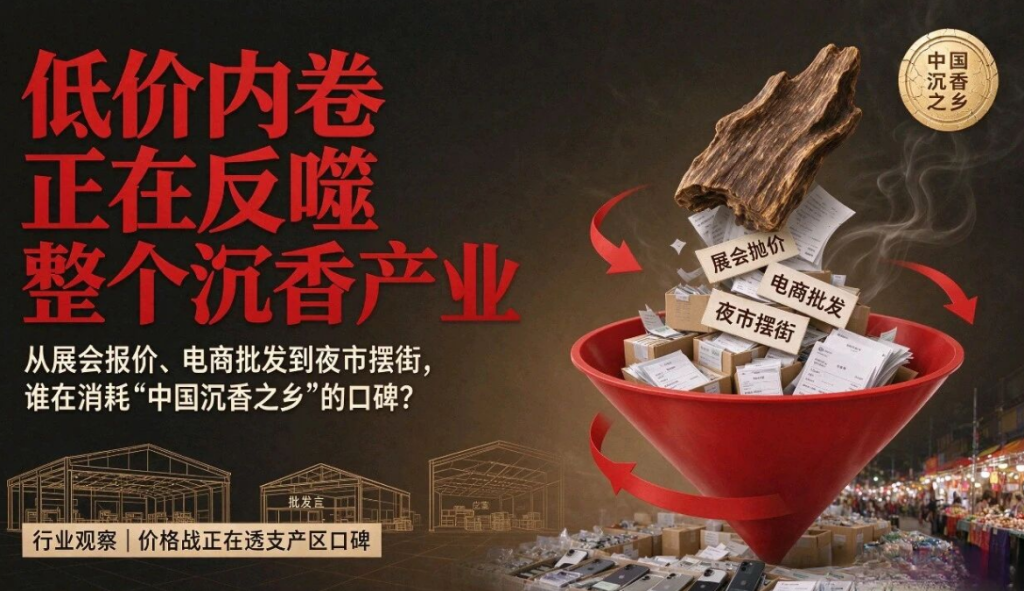
Low-Price Involution Is Now Backfiring on the Entire Agarwood Industry
As a core production area of qinan agarwood nationwide, the agarwood industry in Dianbai, Maoming is at a critical climbing stage of brand upgrading and value enhancement. But while the industry heat keeps rising, an undercurrent of low-price involution is spreading through the sector: at exhibition venues, competitors undercut each other to grab customers; in e-commerce wholesale channels, inferior goods are dumped in volume; on night-market streets, agarwood is turned into 9.9-yuan traffic-bait "street-stall goods." Behind the seemingly bustling price war, the value system of the entire agarwood industry is gradually loosening, and low-price involution is backlashing layer by layer from the raw-material end, the production end, and the market end, eroding the industrial foundation and brand reputation that the production area has accumulated over many years.
Low-price chaos in three types of scenarios is disrupting the agarwood price system
Agarwood is inherently a specialty industry that requires years of accumulation and craftsmanship, but many business entities today skip quality and skip craftsmanship, compressing competition directly into the single dimension of "who has the lower price," forming a typical low-price involution ecosystem in three core trading scenarios.
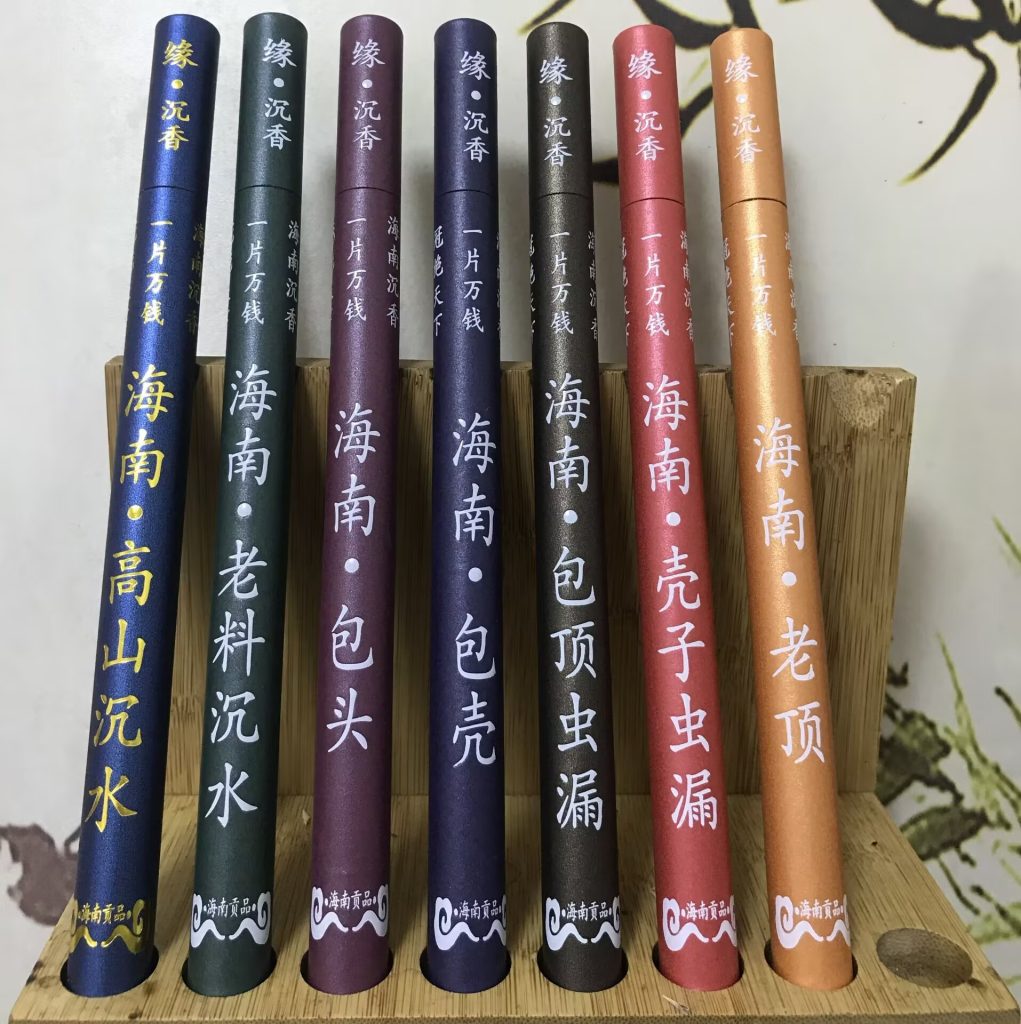
1. "Price dumping and order-grabbing" at trade shows. Industry exhibitions were originally professional platforms for showcasing quality, connecting with buyers, and exchanging technology, yet many exhibitors today have turned them into price-bidding arenas. Facing attending procurement agents and channel clients, some merchants quote "traffic-bait prices" far below raw-material cost: qinan agarwood bracelets with insufficient resin formation are quoted at just a few dozen yuan each, chemically scented incense sticks are wholesaled at a few yuan per gram, and oil-soaked, dyed wood chips are dumped at low prices as "natural agarwood." Enterprises that legitimately work with natural aromatic materials and adhere to standard production have their costs out in the open, and their quotes simply cannot compete with such low-price traffic-bait merchants; many buyers are lured by the low prices and place orders, only to discover upon receipt that quality falls far short of expectations, ultimately casting doubt on the product quality of the entire producing region. Trade shows ought to set the industry's price benchmark, yet today they have become a concentrated showcase of low-price chaos.
2. "Volume-dumping" through e-commerce wholesale channels. Online wholesale platforms are the core hub of agarwood product circulation, and also the hardest-hit area for low-price counterfeits. Many merchants, under the gimmick of "source wholesale" and "factory direct supply," supply counterfeit agarwood made from miscellaneous wood soaked in oil, artificially dyed, and scented with chemical fragrances at extremely low bulk prices: imitation qinan bracelets at a few yuan each, dyed wood chips at a few dozen yuan per jin, and bulk-packed inferior incense sticks, continuously flowing to all kinds of livestream rooms, offline small shops, and street-stall merchants. Such products have no raw-material traceability and no quality testing, and seize wholesale channels by relying on extreme low prices, dragging the entire agarwood market's price expectations down to a low level. Many consumers, after buying low-price imitations through e-commerce channels, form the perception that "agarwood should be very cheap," which in turn squeezes the market space of legitimate natural agarwood.
3. "Street-stall cheap sales" in night markets. Agarwood's consumption scenarios should revolve around incense ceremony appreciation, health and wellness gifting, and cultural collecting, yet today it has largely sunk into urban night markets and tourist street stalls, turned into cheap traffic-bait "street-stall souvenirs." At night-market stalls, various agarwood bracelets passed off as superior, low-price incense sticks, and roughly polished aromatic wood ornaments are marked at low prices of 19.9 yuan each or 9.9 yuan per box, attracting passing tourists to buy on impulse. Ordinary consumers lack the ability to distinguish, and find it hard to tell natural agarwood from chemical imitations; after buying such low-price products, they can neither feel agarwood's warm and gentle aroma profile, nor form an objective understanding of agarwood's value, equating traditional incense culture with cheap trinkets.
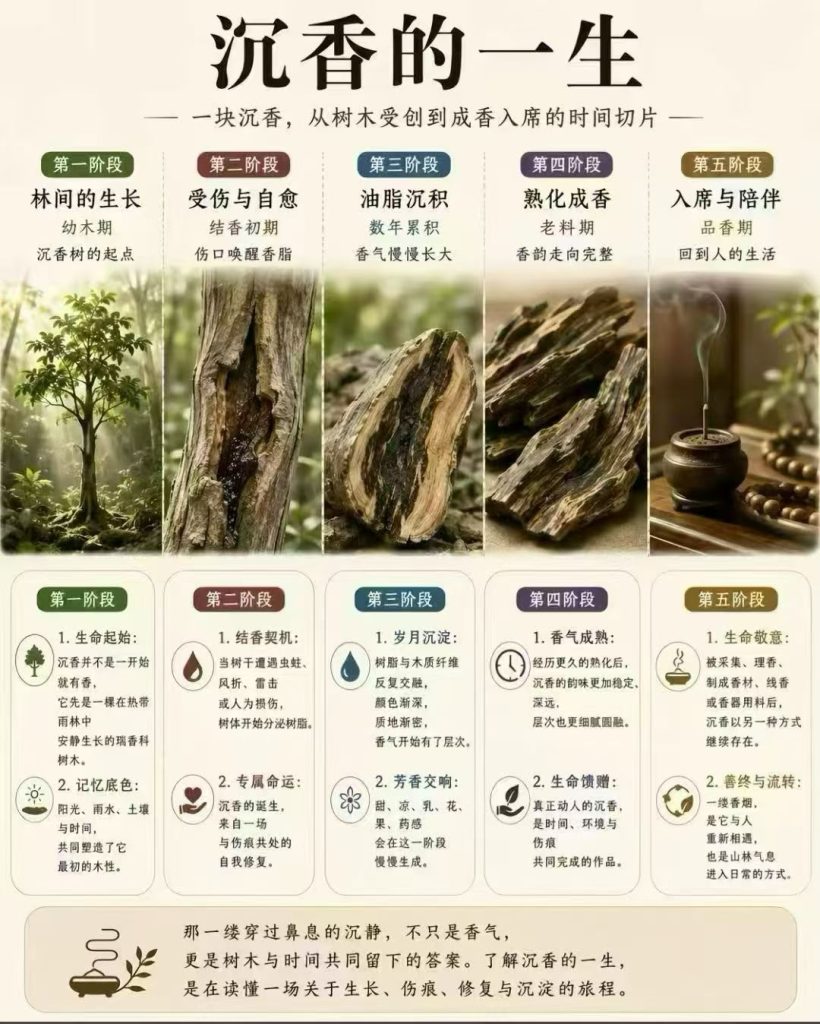
The backlash effect transmitted layer by layer is hollowing out the long-term foundation of the agarwood industry
Low-price involution has never been a win-win of "consumers getting bargains and merchants moving volume," but rather a vicious cycle transmitted from top to bottom along the industry chain, ultimately backlashing on the healthy development of the entire industry.
First, it backlashes on the grower planting end. Low-price dumping on the market end translates into grade suppression and price suppression at the raw-material purchasing end. To compress costs, purchasers only buy materials at the lowest prices; premium-quality, fully resin-formed good aromatic materials cannot fetch their corresponding premium, and farmers' investment in tending aromatic forests and patiently waiting for the resin cannot be rewarded. Over time, the planting end will show a tendency of bad money driving out good: farmers are more willing to plant fast-growing varieties that grow quickly and form resin quickly, unwilling to spend time tending high-quality aromatic forests, and even relax planting and tending requirements to cater to low-price purchasing standards, directly shaking the raw-material quality foundation of the entire industry.
Second, the backlash against legitimate manufacturers. Agarwood companies that insist on natural raw materials, standard processing, and quality control have raw material costs, process costs, and inspection costs out in the open, so their product pricing is naturally higher than that of inferior counterfeit goods. In a market environment of low-price involution, consumers are easily drawn to low prices, and the high-quality products of legitimate companies instead fall into the dilemma of "high cost, unsellable, no profit." Without stable profit support, companies dare not invest in improved-variety research and development, process upgrades, or brand building, and can only be forced to follow with price cuts and cost compression. The entire industry gradually falls into a vicious cycle of "compress costs—lower quality—fight a price war," and the business entities truly engaged in industry and brand building are continuously squeezed.
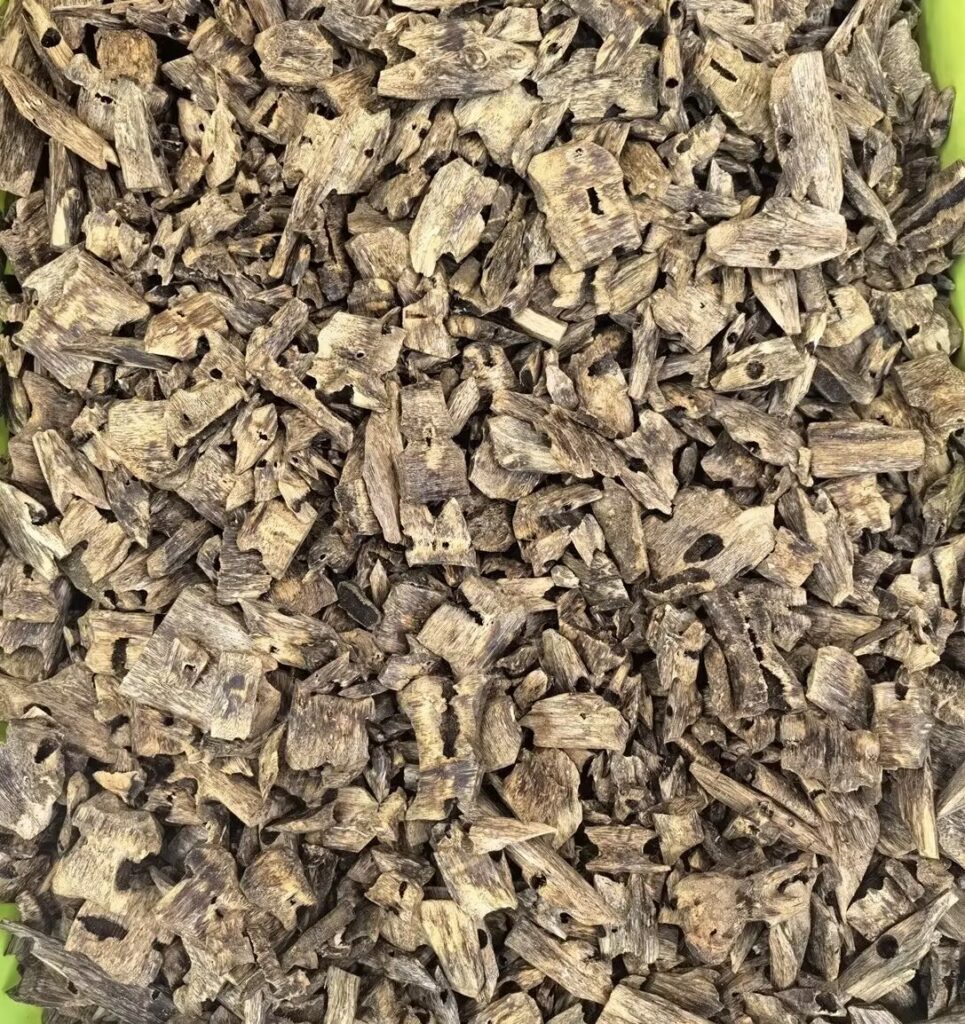
Third, the backlash against the public brand reputation of the production area. Maoming Dianbai has operated the regional brand of "China's Hometown of Agarwood" for more than ten years, accumulating a quality reputation through generations of agarwood farmers and craftsmen. But low-price fakes circulate through various channels, and after consumers buy inferior counterfeit goods, they do not distinguish the specific merchant and only attribute the negative impression to the regional brands "Maoming agarwood" and "Dianbai qinan agarwood." Many consumers who have been burned by low-price fakes develop distrust toward the entire agarwood industry, feeling that "agarwood is all an IQ tax," and the cultural reputation and brand trust accumulated in the production area over many years are consumed bit by bit by a small number of profit-seeking merchants.
Finally, the backlash against the long-term development potential of the industry. Agarwood is a slow industry, an industry of craftsmanship, whose value comes from the accumulation of time and craft. When the industry atmosphere turns toward "competing on low prices and making quick money," practitioners are unwilling to settle down and do long-term industrial work: no one is willing to dig deep into the planting end to improve varieties, no one is willing to invest in research and development for deep processing, no one is willing to polish brands and spread culture, and everyone wants to rely on low-price volume sales and speculation for arbitrage. In the short term, market transaction volume looks lively, but in the long term the industry has no core competitiveness, and once market heat fades, the foundation of the entire production area's agarwood industry will be hollowed out.

Breaking out of low-price involution, the agarwood industry must take the long road of building its brand on quality
The essence of low-price involution is a阶段性 problem in the course of industrial development: insufficient standardization, weak branding, and inadequate regulatory guidance. To break out of the involution cycle, no single merchant can fight alone; industry federations, associations, leading enterprises, and agarwood farmer groups must join forces to clear the source and uphold integrity while improving quality.
On the one hand, the baseline of standards must be firmly established and industry order regulated. Relying on industry federation and association platforms, improve the full-chain standard system from seedlings, planting, and raw material grading to processing and sales, establish a traceability and testing mechanism, and keep inferior counterfeit products and oil-injected, dyed products out of the formal market; guide practitioners to operate with integrity, resist short-sighted behaviors such as low-price dumping and passing off inferior goods as superior, and let products of good quality and proper craftsmanship obtain the market premium they deserve.
On the other hand, brand building must be strengthened and the value of production areas well communicated. Continue to polish the regional public brands "Maoming agarwood" and "Dianbai qinan agarwood"; through authentic-agarwood promotion, industry documentaries, exhibition promotion, and cultural communication, convey Maoming agarwood's germplasm advantages, cultural heritage, and quality standards to consumers, so that the market truly recognizes the real value of agarwood and breaks away from the consumption misconception of "looking only at price, not at quality." At the same time, guide enterprises to deepen differentiated tracks and innovate products in fields such as health care and daily chemicals, cultural and creative gifts, and incense culture tourism, stepping out of the circle of low-end price competition.
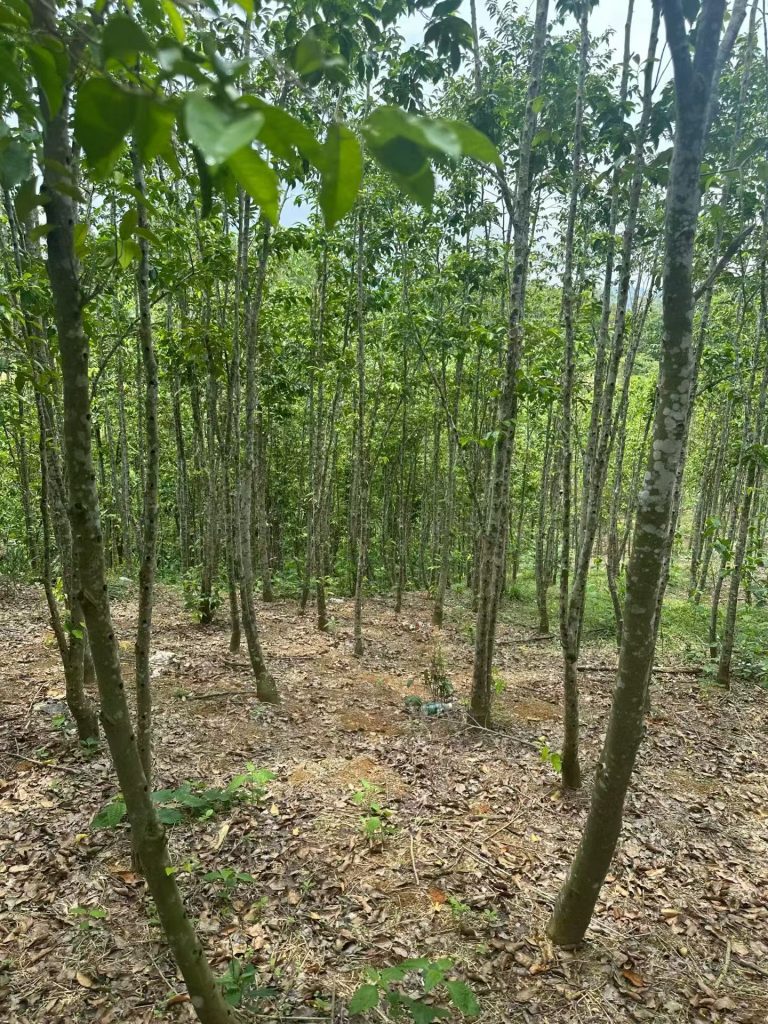
Agarwood has traveled a long road of accumulation from fragrant wood to fragrant products; the industry has moved from scattered planting to cluster development, accumulating the painstaking efforts of several generations. Low-price involution earns short-term quick money but consumes the century-old reputation of the production area.
The agarwood industry must, in order to go steadily and far, clearly recognize: low-price dumping cannot buy long-term market, and inferior counterfeit products cannot support a brand's future. Only by safeguarding natural quality, establishing regional brands, and steadily walking the path of real industry can Maoming agarwood and Dianbai agarwood truly transform resource advantages into industrial advantages and let the millennium-old aroma drift far and long.
This article was compiled and organized by "Chenxiang Network"; original source: https://www.chenxiang123.com/di-jia-nei-juan-fan-shi-chen-xiang-hang-ye/
Compiled for general knowledge; traditional references are cultural notes, not medical advice.
Frequently Asked Questions
What is Low-Price Involution Is Now Backfiring on the Entire Agarwood Industry?
As the nation's core production area for Qinan agarwood, the agarwood industry in Dianbai, Maoming, is in a critical uphill phase of brand upgrading and value enhancement. However, even as industry enthusiasm continues to rise, ...
How should I choose agarwood?
Buy from traceable, testable channels and match the form (incense, beads, raw wood) to your use. Avoid exaggerated claims such as "wild" or "sinking grade" without proof, and prefer products with lab reports and origin documentation.
How should agarwood be stored and maintained?
Agarwood dislikes moisture, odours and direct sunlight. Keep it sealed, dark and cool, store different origins separately, and air and inspect long-stored pieces periodically against mould and insects.
How can I tell real agarwood from fake?
Authentication combines sensory checks with technical ones: natural agarwood has a clean, long-lasting, cool-sweet scent and burns with pale, non-pungent smoke. GC-MS analysis of characteristic compounds (chromones, sesquiterpenes) adds objective confirmation. Buying through traceable channels with certificates lowers the risk.
How do agarwood origins differ?
Climate, tree species and resin-induction methods give each origin a distinct scent profile — for example Hainan tends to be clean and elegant, Vietnam sweet and cool, Indonesia deep and full. Origin is a key factor in grading and pricing.
What is the current agarwood market like?
Prices diverge sharply by resin density, origin and form, with both top-end collectibles and entry-level consumer products active. Use actual transactions from legal, testable channels as reference rather than a single quotation.
What is the relationship between agarwood and incense culture?
Agarwood is the core medium of East Asian incense culture, spanning temple offerings, literati gatherings and contemporary lifestyle aesthetics. Understanding this cultural background helps explain its value.
Does agarwood have health benefits?
Traditionally agarwood has been used for calming and sleep-related rituals, but evidence quality and dosage need careful reading. Keep traditional use and scientific evidence clearly separated and follow professional guidance.
参考资料
You may also like
评论区
评论匿名可浏览,登录后可发表;提交后先审后显。
评论加载中…