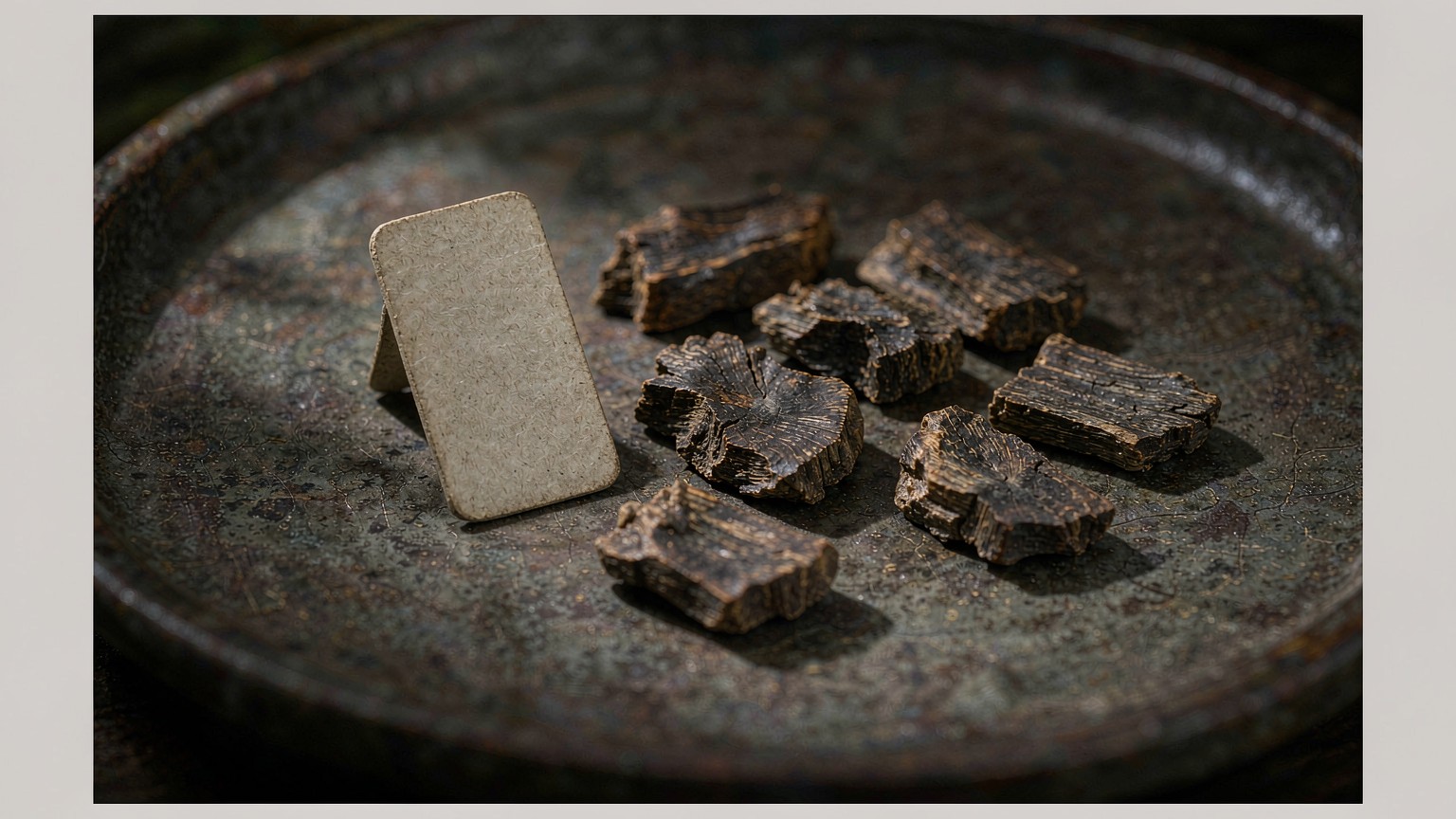
The Three Great Values of Agarwood
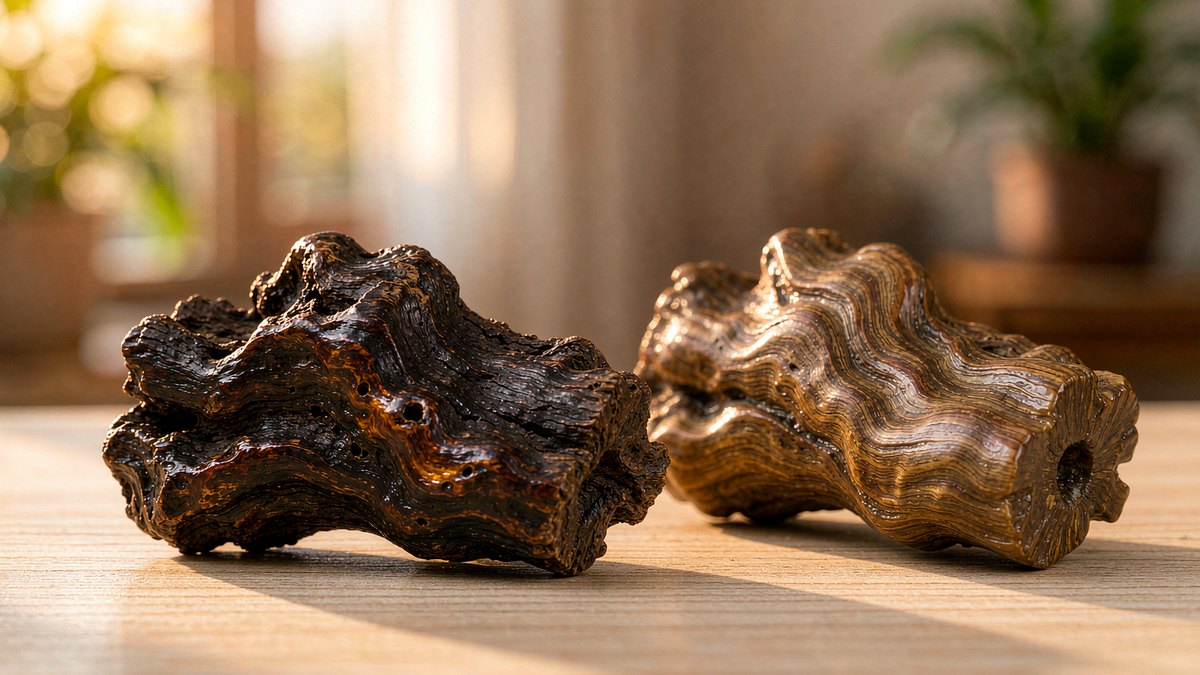
Agarwood, a prized collectible whose price has risen steadily in recent years, is increasingly favored by collectors. With the rapid economic development of recent years and the continuous improvement of material living standards, people are paying ever more attention to quality of life and to spiritual luxury goods. The legacy value of agarwood is thus being rediscovered.
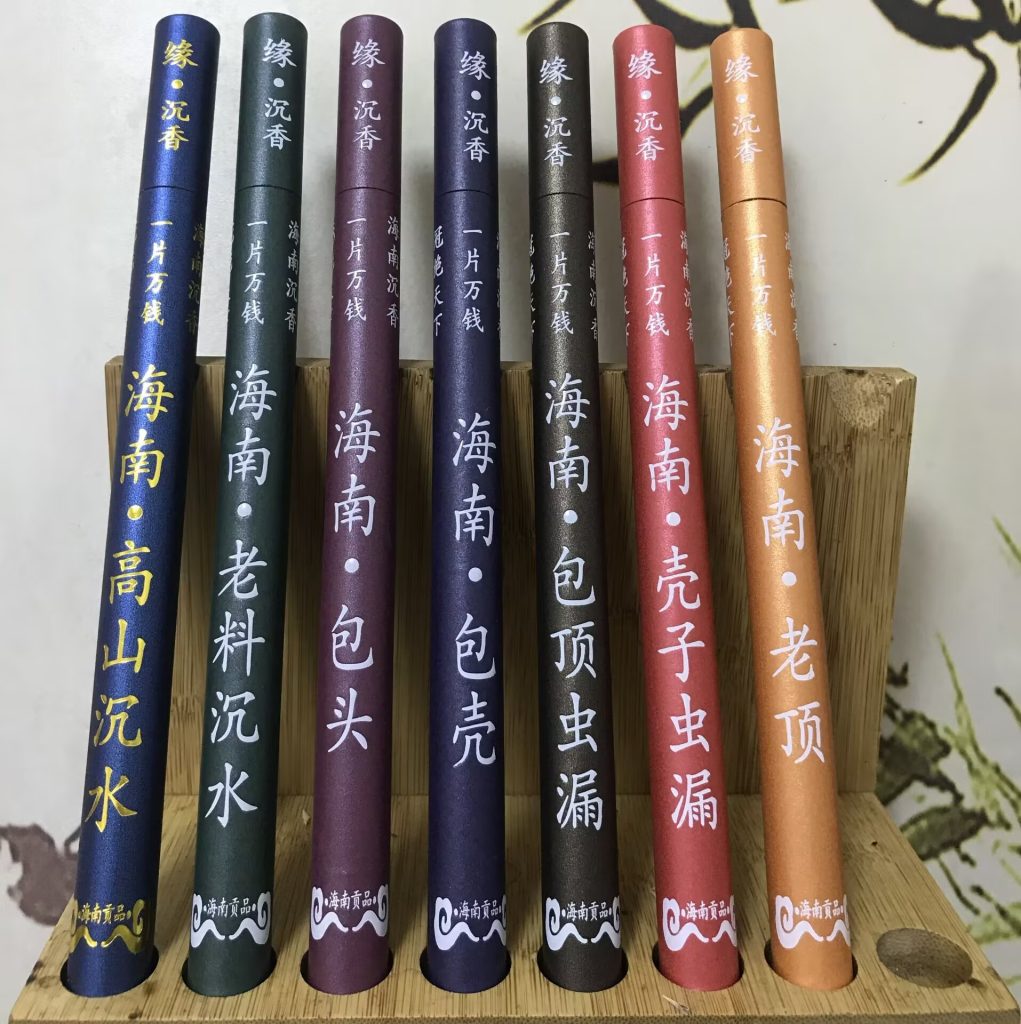
Why does agarwood have legacy value? Its historical value, economic value, and religious value are the three key factors determining that legacy value.
The Historical Value of Agarwood
It is often said that history and culture are the foundation of any collectible's enduring legacy and the source of collecting itself, and agarwood is no exception. Agarwood is a product of China's long history and culture and has become an indispensable cultural element of Chinese civilization over the course of its development. The beauty of agarwood pushed the luxury-loving traditions of the Chinese imperial court to yet another level. The ultimate pursuit of life's pleasures and spiritual experience brought agarwood into every detail of life among the imperial nobility.
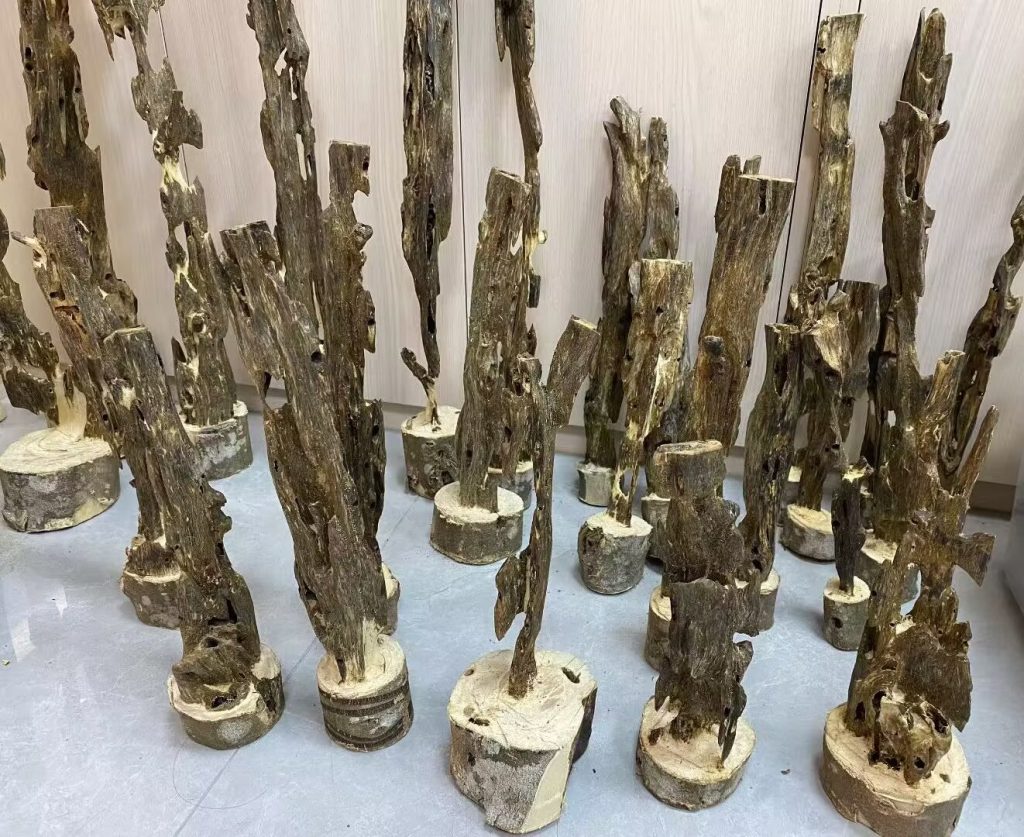
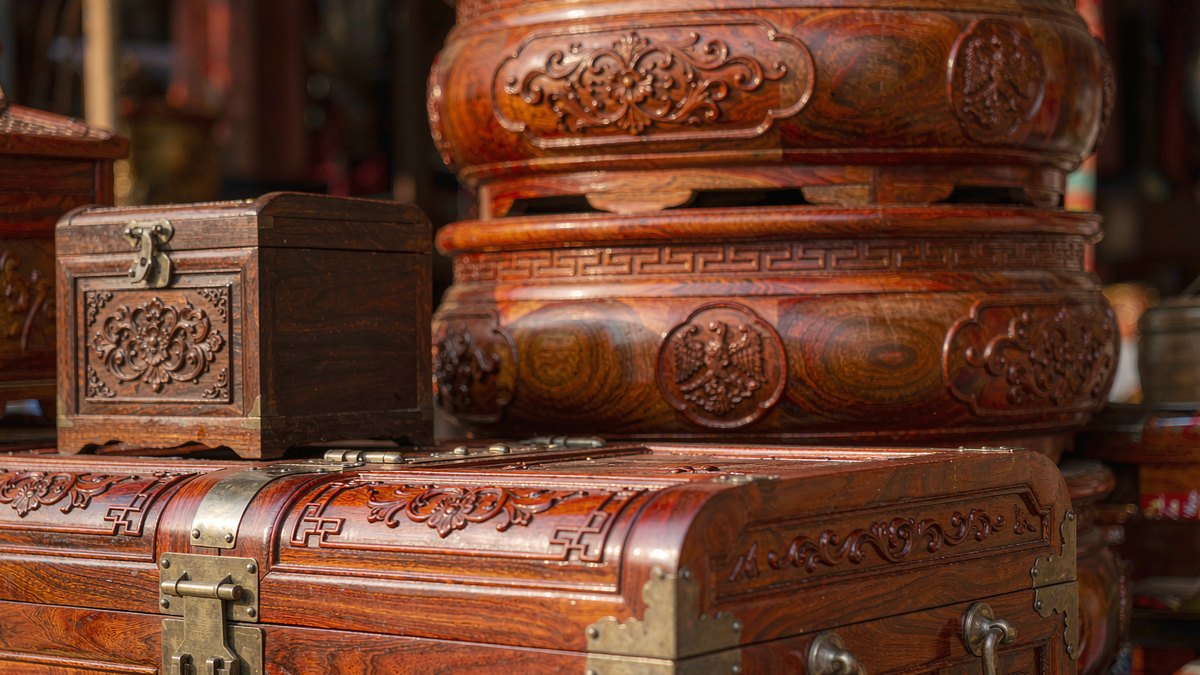
In the Tang Dynasty, incense tables were set up in the imperial court; when officials attended court, their robes were scented to show reverence and solemnity. Princes and high ministers would often "bring their famous incense and compare its quality," holding regular "incense competitions." The emperor regularly bestowed incense and aromatic medicines on princesses, empresses, and consorts for enhancing their appearance. The people of the Tang were both romantic and extravagant, boldly imagining and using agarwood to make exquisite scholar's items such as painting boxes, brushes, and brush holders.
Many Tang emperors were devout Buddhists and naturally regarded agarwood as a precious offering to the Buddha. The "agarwood mountain" unearthed in 1987 at Famen Temple, a Tang imperial offering to the Buddha's finger relic, has endured a thousand years yet still retains the form and texture characteristic of the finest grade, revealing the extraordinary spirit of the venerable. In the Song Dynasty, agarwood was widely used in the imperial court, and demand for aromatic materials was great. There were not only incenses for burning but also various exquisite sachets and fragrant pouches for wearing.
The custom of using incense in the palaces of the Ming and Qing dynasties remained prevalent, and agarwood was regarded as an important marker of the life of scholars and gentlemen. Emperors and nobles read, enjoyed themselves, and went about their daily lives always accompanied by incense, using it to enhance wisdom. The Ming and Qing courts often used carved aromatic wood items and incense as gifts. Among the birthday gifts for the sixtieth birthday of Empress Xiaosheng in the Qing Dynasty were also precious agarwood items. To this day, we can still see relics of the Qianlong Emperor's use of agarwood in the Forbidden City.
In modern times, whether burning incense, appreciating incense, using incense for health, or giving agarwood products as gifts, all are wondrous and enviable pleasures for us today. People regard agarwood as an heirloom item; its collectibility never lacks a market, and its value is beyond measure, for it possesses both the historical age of the "ancient" and the rarity and preciousness of the "present."
The Economic Value of Agarwood
Now let us discuss the economic value of agarwood, which is also one of the important factors determining legacy value. But when speaking of economic value, one must understand the supply and demand relationship of agarwood.
First, high-end collectors. These are mainly collecting experts and collectors who have spent their lives moving among calligraphy, antiques, artworks, and various other collectibles, and who possess highly discerning eyes. Agarwood is becoming ever scarcer, and it has repeatedly fetched astronomical prices at auctions, so it is bound to be favored by these collecting experts.
Second, investors. These investors include the traditional mass investors in bank wealth management products, entrepreneurs, investors in real estate, stocks, precious metals, and other art industries. These groups have high investment demand; as many investment products are affected by the social economy, and with the accumulation of wealth and shifts in mindset, agarwood investment has gradually become a major direction for such investors, alongside overseas investment, corporate investment, and other categories.
Third, medical demand. Agarwood has long been regarded as a treasure by the medical community and is highly favored for its unique medicinal effects. Agarwood's medicinal effects derive mainly from the theory of the Five Elements — the well-known five elements of metal, wood, water, fire, and earth. The five elements correspond to five colors: green, red, yellow, white, and black. Agarwood's flavors are sour, bitter, sweet, pungent, and salty, which should be harmonized with the body's five organs: liver, heart, spleen, lungs, and kidneys. Agarwood incense further follows the way of the Five Elements, giving agarwood a living quality, seeking to cultivate health through practice and to create through the body. Therefore, as the population in sub-health conditions gradually grows, the medical demand for agarwood will continue to increase.
The Religious Value of Agarwood
Beyond the above two points, agarwood's legacy value is also reflected in religion, taking Buddhism as an example.
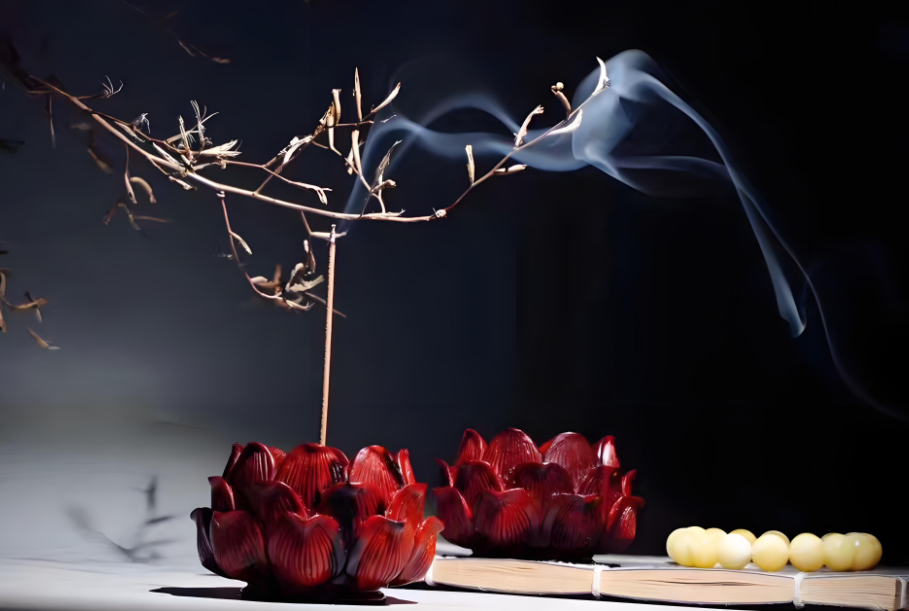
First, Buddhism was introduced to China from India, but whether Indian or Chinese Buddhism, both place great emphasis on "using incense." Indians offering to the Buddha mostly use applied incense, smearing incense on their bodies to express reverence toward the Buddha. Buddhism began to spread into the Central Plains during the Han Dynasty; in ancient times, scholar-officials favored burning incense, initially to eliminate odors and repel mosquitoes. Later, as more and more fine incenses were discovered, the functions and influence of incense were gradually elevated to higher levels. In Buddhist studies there is a term called "inner observation," meaning that when one encounters a problem, one must first examine oneself. Buddhists hold that humans have six consciousnesses: eye, ear, nose, tongue, mind, and intention. Among these six, the only one that first contacts the outside world and cannot be closed is the sense of smell. The ancients were very wise: to train our six consciousnesses to turn inward, to avoid contact with external temptations, and to prevent the external "six dusts" from affecting our "six roots," they used incense to intervene in our practice. Incense acts directly on our sense of smell, allowing our minds to attain a moment of peace. When people are deeply restless, smelling incense can bring a moment of tranquility, and it is through this moment of tranquility that people can reflect on themselves; incense serves here as a medium and intermediary.
Second, Buddhism speaks of the "Six Paths of Reincarnation," in which the six paths, from top to bottom, are the heavenly path, the asura path, the human path, the animal path, the hungry ghost path, and the hell path. Buddhism holds that the human eye can see only the human and animal paths, but if people wish to communicate with the other paths and obtain good information, they can only rely on incense, especially superior agarwood. The Buddhist scriptures clearly record that incense can subtly penetrate the dharma realm. Agarwood is one of the better and purer incenses we can currently access; like receiving a signal, the purer the signal, the clearer the image obtained. Therefore, those who worship the Buddha all emphasize using good incense to better communicate with the divine.
Third, from the perspective of personal practice, as a Buddhist one must attain achievement through practice and then use one's own achievements to gradually influence those around them, just as the ancients advocated "cultivating oneself, regulating the family, governing the state, and bringing peace to the world." For Buddhists, incense is lit every morning upon rising and every evening before sleep. Lighting incense in the morning represents emulating the virtuous, reminding oneself to put the Buddha's spirit into practice in daily life and to calmly plan the day amid the fragrance; lighting incense before sleep at night serves mainly for reflection and summary, reviewing the day's faults. Through such day-after-day accumulation, Buddhist disciples ultimately move toward the far shore of enlightenment. Therefore, burning incense — especially a fine incense — is very important in Buddhist practice. Thus, from the above three aspects, agarwood is an heirloom item that combines multiple values in one: "sinking" in a way that astonishes the world, and "fragrant" in a way that startles the commonplace.
That agarwood has been cherished by the world for thousands of years precisely shows that agarwood possesses unique charm and extraordinary value, able to endure the vicissitudes of the ages and be passed down to this day.
This article was compiled by "Chenxiang Wang," original source: https://www.chenxiang123.com/chenxianng-sanda-jiazhi/
Compiled for general knowledge; traditional references are cultural notes, not medical advice.
Frequently Asked Questions
What is The Three Great Values of Agarwood?
Agarwood, a prized collectible whose price has risen steadily in recent years, is increasingly favored by collectors. Its historical, economic, and religious values together determine its enduring legacy value.
How should I choose agarwood?
Buy from traceable, testable channels and match the form (incense, beads, raw wood) to your use. Avoid exaggerated claims such as "wild" or "sinking grade" without proof, and prefer products with lab reports and origin documentation.
How should agarwood be stored and maintained?
Agarwood dislikes moisture, odours and direct sunlight. Keep it sealed, dark and cool, store different origins separately, and air and inspect long-stored pieces periodically against mould and insects.
How can I tell real agarwood from fake?
Authentication combines sensory checks with technical ones: natural agarwood has a clean, long-lasting, cool-sweet scent and burns with pale, non-pungent smoke. GC-MS analysis of characteristic compounds (chromones, sesquiterpenes) adds objective confirmation. Buying through traceable channels with certificates lowers the risk.
How do agarwood origins differ?
Climate, tree species and resin-induction methods give each origin a distinct scent profile — for example Hainan tends to be clean and elegant, Vietnam sweet and cool, Indonesia deep and full. Origin is a key factor in grading and pricing.
What is the current agarwood market like?
Prices diverge sharply by resin density, origin and form, with both top-end collectibles and entry-level consumer products active. Use actual transactions from legal, testable channels as reference rather than a single quotation.
What is the relationship between agarwood and incense culture?
Agarwood is the core medium of East Asian incense culture, spanning temple offerings, literati gatherings and contemporary lifestyle aesthetics. Understanding this cultural background helps explain its value.
Does agarwood have health benefits?
Traditionally agarwood has been used for calming and sleep-related rituals, but evidence quality and dosage need careful reading. Keep traditional use and scientific evidence clearly separated and follow professional guidance.
参考资料
You may also like
评论区
评论匿名可浏览,登录后可发表;提交后先审后显。
评论加载中…