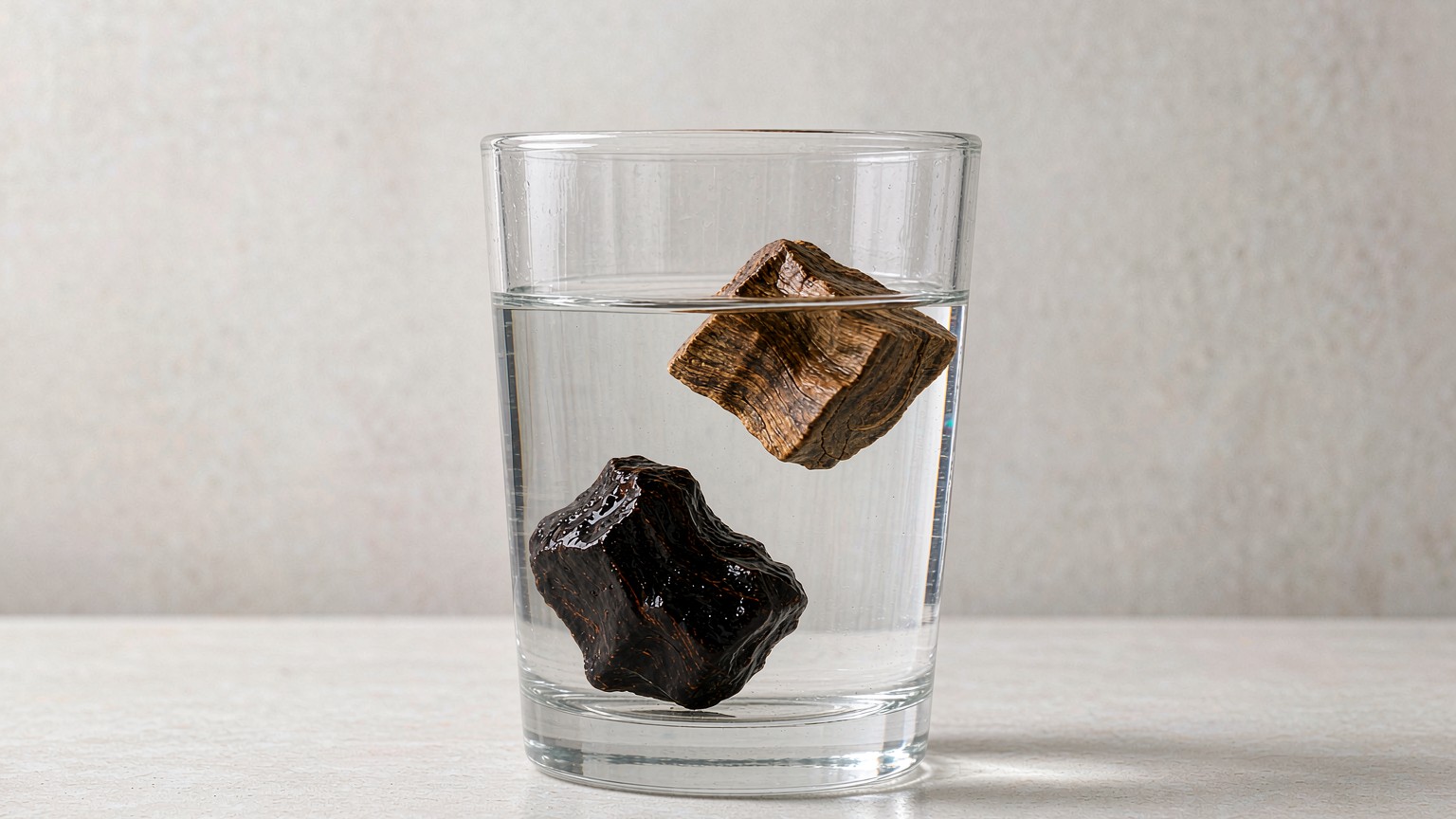
Agarwood Story: Emperor Yang of Sui's Agarwood Feast
Emperor Yang Guang of the Sui Dynasty's agarwood feast is famed throughout history for its extreme extravagance, with his reckless squandering of agarwood being the most staggering of all. Every New Year's Eve, he ordered several giant "volcano"-shaped structures to be built from earth and bricks in the open ground of the palace forecourt. These "volcanoes" were not real volcanoes, but massive bonfires specially constructed to burn the rare spice agarwood.
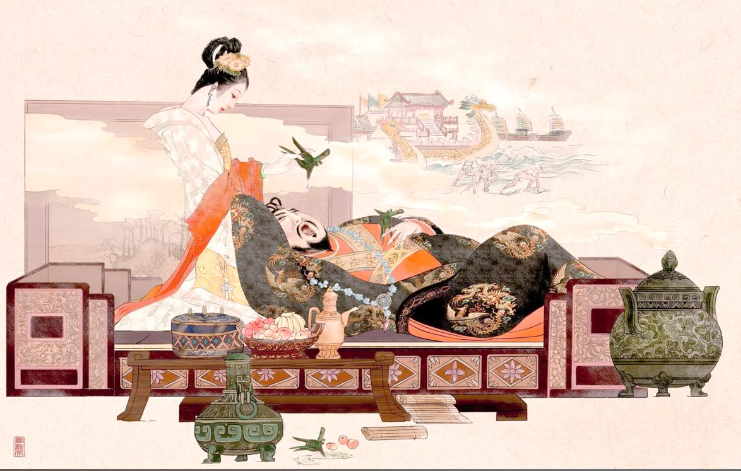
According to historical records such as the Book of Sui, each "volcano" stood several zhang tall and was filled in layers with premium agarwood from the South Seas. Palace attendants needed more than two hundred horse-drawn carts just to transport all the agarwood to be burned that year to the site. When night fell and Emperor Yang ascended to a high vantage point with his consorts and civil and military officials to watch the ceremony, at a single command all the "volcanoes" were lit simultaneously.
In an instant, flames leapt into the sky, illuminating the night as bright as day. Sima Qian once described a scene of "fire trees and silver flowers" in the Records of the Grand Historian, yet compared with Emperor Yang's agarwood feast, it seems pale. The fragrance produced by burning agarwood drifted for dozens of li, and even common folk outside the capital could smell this rare exotic scent. The officials present were all stunned by this luxurious spectacle, but also secretly gasped: the agarwood burned in a single night was worth the annual tax revenue of ten thousand middle-class households.
Such extreme extravagance drew considerable criticism at the time. Some ministers submitted memorials of remonstrance, pointing out that "an inch of agarwood is an inch of gold," and that such waste of precious resources might invite divine retribution. But Emperor Yang paid no heed, instead believing it demonstrated the wealth and power of the Sui Dynasty. He even declared: "I want the whole world to know that the Great Sui possesses all the treasures of nature and lacks nothing."
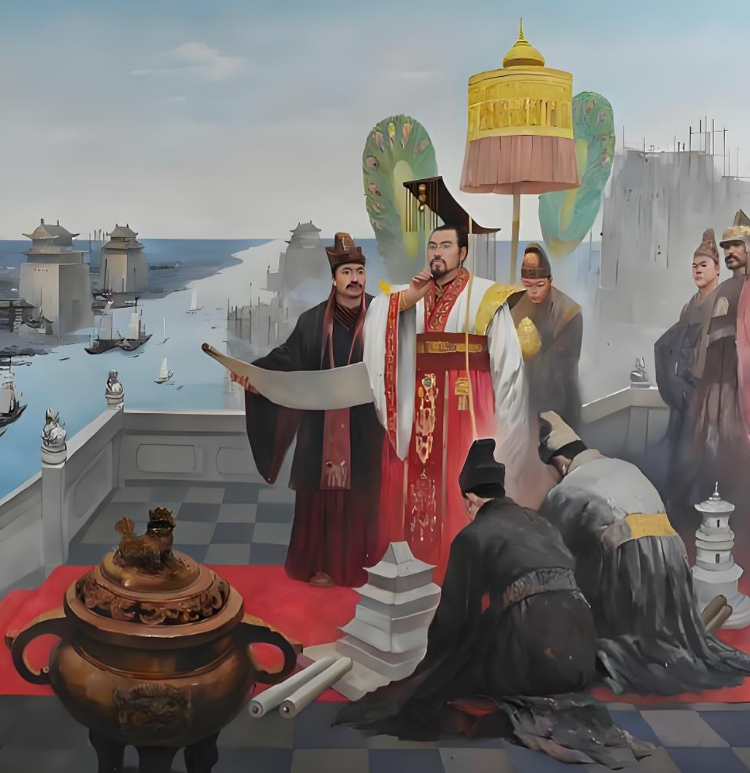
From a modern perspective, this agarwood feast not only reflects Emperor Yang's personal character of extreme extravagance, but also exposes the luxurious ways of the ruling class at the time. Notably, the ability to burn agarwood on such a massive scale also indicates the advanced state of maritime trade during the Sui Dynasty—large quantities of South Seas agarwood could be continuously imported into the Central Plains via the Maritime Silk Road.
This year-after-year "agarwood feast" became one of the symbols of the Sui Dynasty's increasingly corrupt rule and foreshadowed its eventual downfall. As the Song Dynasty historian Sima Guang commented in the Comprehensive Mirror in Aid of Governance: "Once extravagant thoughts arise, they cannot be restrained; the fall of the Sui house truly began here."
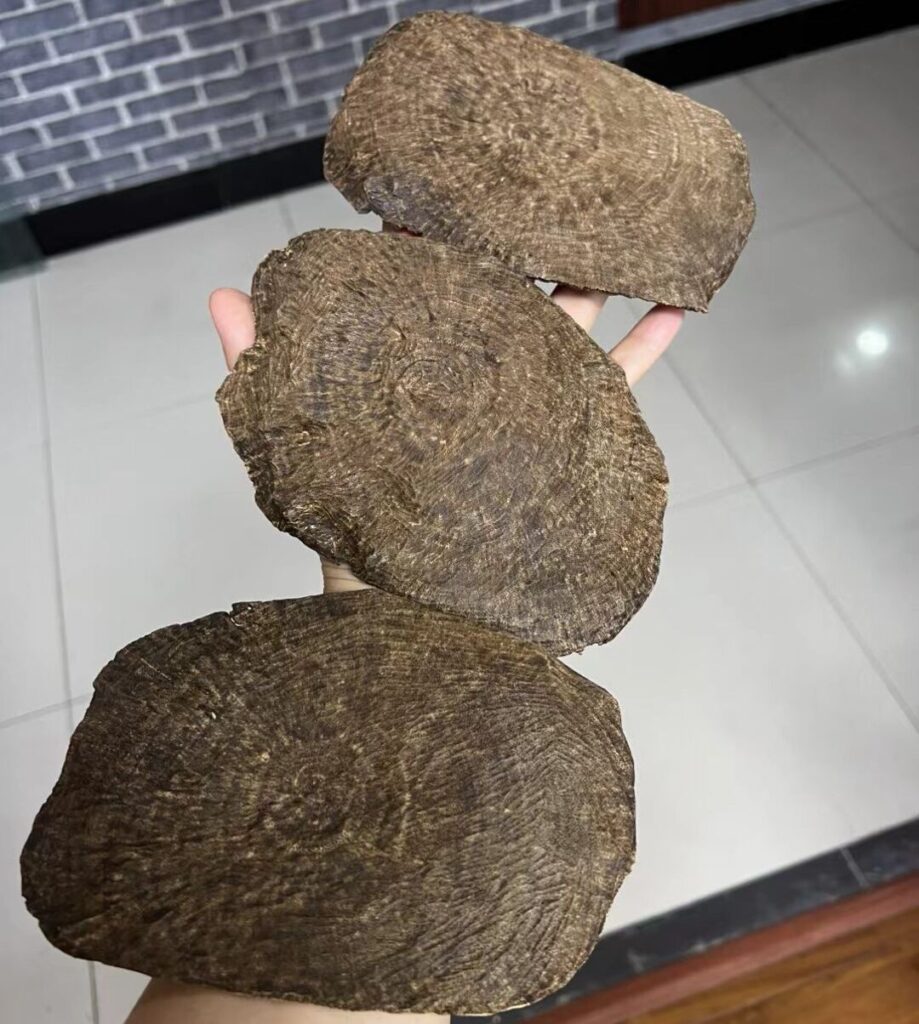
Ouyang Xiu of the Song Dynasty also referenced this in his poem "Eight Matching Poems with Academician Xie San on New Year's Eve": "In the Sui palace, watch-night fires burn sinking incense; in Chu customs, firecrackers drive away spirits." Emperor Yang could be so extravagant partly because his father had left a substantial legacy, partly because after the submission of Lingnan, the tribute channels for domestic agarwood from Guangdong and Hainan had opened, and also because Emperor Yang had established friendly relations with overseas incense-producing countries, and foreign agarwood began to be imported into the country.
According to the Record of Canal Opening: "Emperor Yang rode his dragon boat to Jiangdu, vessels following one after another; where the brocade sails passed, fragrance was smelled for ten li." When Emperor Yang traveled by boat along the Grand Canal to Jiangnan for pleasure, he would also use large amounts of agarwood incense on board. People at the time described it thus: "The boat passes and the fragrance remains; the water retains its savor." Such extravagance—burning agarwood, more precious than gold, like ordinary firewood—could not be sustained even by the wealthiest nation, no wonder the powerful Sui Dynasty collapsed after only two generations.
This article was compiled by "Chenxiang.com"; original source: https://www.chenxiang123.com/chenxiang-story-suiyangdi-chenxiang-shengyan/
Compiled for general knowledge; traditional references are cultural notes, not medical advice.
Frequently Asked Questions
What is Agarwood Story?
Emperor Yang Guang of the Sui Dynasty's agarwood feast is famed for its extravagance, especially his reckless burning of agarwood. Each New Year's Eve, he had huge 'volcano' structures built to burn precious agarwood.
How should I choose agarwood?
Buy from traceable, testable channels and match the form (incense, beads, raw wood) to your use. Avoid exaggerated claims such as "wild" or "sinking grade" without proof, and prefer products with lab reports and origin documentation.
How should agarwood be stored and maintained?
Agarwood dislikes moisture, odours and direct sunlight. Keep it sealed, dark and cool, store different origins separately, and air and inspect long-stored pieces periodically against mould and insects.
How can I tell real agarwood from fake?
Authentication combines sensory checks with technical ones: natural agarwood has a clean, long-lasting, cool-sweet scent and burns with pale, non-pungent smoke. GC-MS analysis of characteristic compounds (chromones, sesquiterpenes) adds objective confirmation. Buying through traceable channels with certificates lowers the risk.
How do agarwood origins differ?
Climate, tree species and resin-induction methods give each origin a distinct scent profile — for example Hainan tends to be clean and elegant, Vietnam sweet and cool, Indonesia deep and full. Origin is a key factor in grading and pricing.
What is the current agarwood market like?
Prices diverge sharply by resin density, origin and form, with both top-end collectibles and entry-level consumer products active. Use actual transactions from legal, testable channels as reference rather than a single quotation.
What is the relationship between agarwood and incense culture?
Agarwood is the core medium of East Asian incense culture, spanning temple offerings, literati gatherings and contemporary lifestyle aesthetics. Understanding this cultural background helps explain its value.
Does agarwood have health benefits?
Traditionally agarwood has been used for calming and sleep-related rituals, but evidence quality and dosage need careful reading. Keep traditional use and scientific evidence clearly separated and follow professional guidance.
参考资料
You may also like

评论区
评论匿名可浏览,登录后可发表;提交后先审后显。
评论加载中…