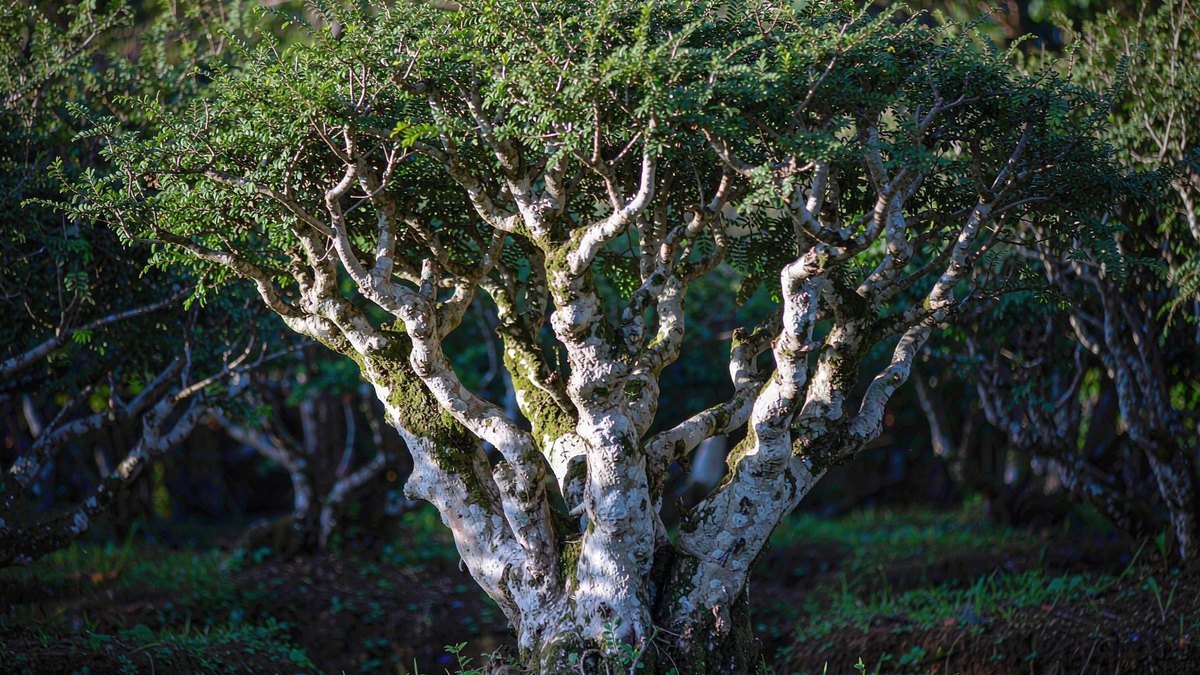
The Resin Formation Principle of Agarwood
The resin formation principle of agarwood is essentially the combined result of the self-repair mechanism triggered after the agarwood tree is wounded and the action of specific fungi, and can be divided into the following core stages:

I. Trigger Mechanism: External Damage
Agarwood trees must experience physical trauma (such as lightning strikes, insect borers, knife cuts, animal gnawing, etc.) or natural damage (such as branch breakage) before the resin formation process is initiated. Such damage disrupts the normal structure of the tree and stimulates parenchyma cells to secrete defensive substances.

II. Biological Response: Resin Secretion
Cell activation: Parenchyma cells at the damaged site gather toward the wound through vessel pits, release starch grains stored in vacuoles, and convert them into viscous substances such as resin and oils.
Vessel blockage: The secreted resin and oils form "tyloses," which gradually block xylem vessels, preventing sap loss and isolating external pathogens.
III. Fungal Transformation: Metabolic Catalysis
After the wound is exposed, specific fungi such as Melanotus flavolivens invade the damaged tissue and undergo complex enzymatic reactions with the chemical components in the resin. This process converts ordinary resin into agarwood matrix containing aromatic compounds such as benzylacetone and agarospirol.
IV. Time Accumulation: Aging and Setting
Resin and fungal metabolites continuously accumulate at the wound site and, through decades or even centuries of oxidation and polymerization, eventually form dark brown solid agarwood. The longer the time, the higher the oil density and the richer the aroma.
V. Types of Resin Formation
According to the conditions of agarwood formation, it can be divided into two types:
Living-tree formation: Resin formation occurs after a living agarwood tree suffers external trauma; the resin is flaky or blocky, and the aroma is intense.
Dead-tree formation: After the agarwood tree dies naturally, the residual resin undergoes long-term aging underground or in water; the aroma is milder and smoother.

The formation of agarwood requires the simultaneous satisfaction of three major elements: tree species (Aquilaria of the Thymelaeaceae family), trauma, and fungal infection, and also requires specific climatic conditions (such as high temperature and high humidity to accelerate resin secretion). Its unique aroma originates from the symbiotic structure of sesquiterpenoids, chromones, and wood fibers.

This article was compiled by "Agarwood Network"; original source: https://www.chenxiang123.com/chenxiang-jiexiangyuanli/
Compiled for general knowledge; traditional references are cultural notes, not medical advice.
Frequently Asked Questions
What is The Resin Formation Principle of Agarwood?
The resin formation principle of agarwood is essentially the combined result of the self-repair mechanism triggered after the agarwood tree is wounded and the action of specific fungi.
How should I choose agarwood?
Buy from traceable, testable channels and match the form (incense, beads, raw wood) to your use. Avoid exaggerated claims such as "wild" or "sinking grade" without proof, and prefer products with lab reports and origin documentation.
How should agarwood be stored and maintained?
Agarwood dislikes moisture, odours and direct sunlight. Keep it sealed, dark and cool, store different origins separately, and air and inspect long-stored pieces periodically against mould and insects.
How can I tell real agarwood from fake?
Authentication combines sensory checks with technical ones: natural agarwood has a clean, long-lasting, cool-sweet scent and burns with pale, non-pungent smoke. GC-MS analysis of characteristic compounds (chromones, sesquiterpenes) adds objective confirmation. Buying through traceable channels with certificates lowers the risk.
How do agarwood origins differ?
Climate, tree species and resin-induction methods give each origin a distinct scent profile — for example Hainan tends to be clean and elegant, Vietnam sweet and cool, Indonesia deep and full. Origin is a key factor in grading and pricing.
What is the current agarwood market like?
Prices diverge sharply by resin density, origin and form, with both top-end collectibles and entry-level consumer products active. Use actual transactions from legal, testable channels as reference rather than a single quotation.
What is the relationship between agarwood and incense culture?
Agarwood is the core medium of East Asian incense culture, spanning temple offerings, literati gatherings and contemporary lifestyle aesthetics. Understanding this cultural background helps explain its value.
Does agarwood have health benefits?
Traditionally agarwood has been used for calming and sleep-related rituals, but evidence quality and dosage need careful reading. Keep traditional use and scientific evidence clearly separated and follow professional guidance.
参考资料
You may also like

评论区
评论匿名可浏览,登录后可发表;提交后先审后显。
评论加载中…