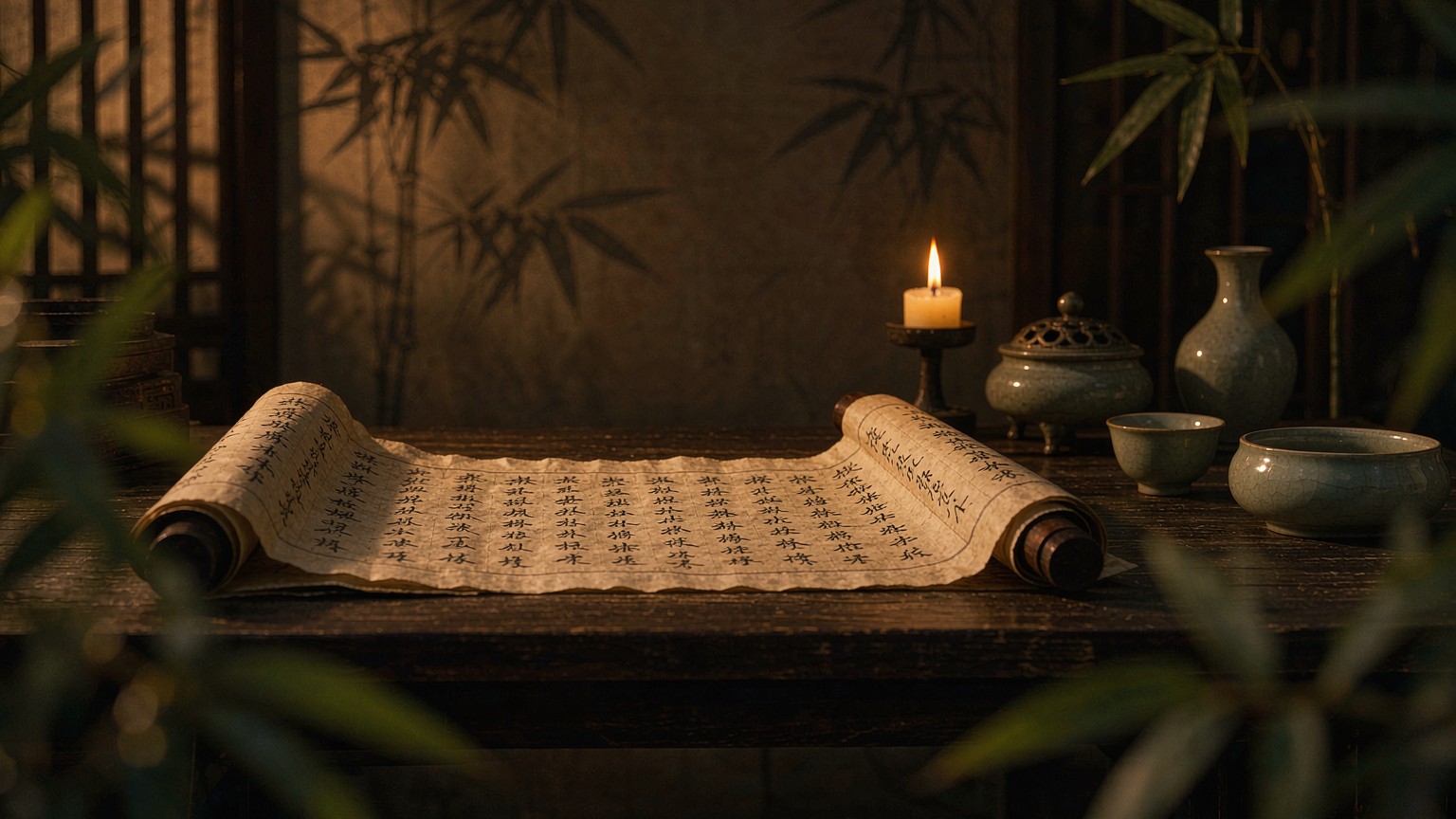
Agarwood: The 'Black Gold' That Has Captivated the World for Two Millennia
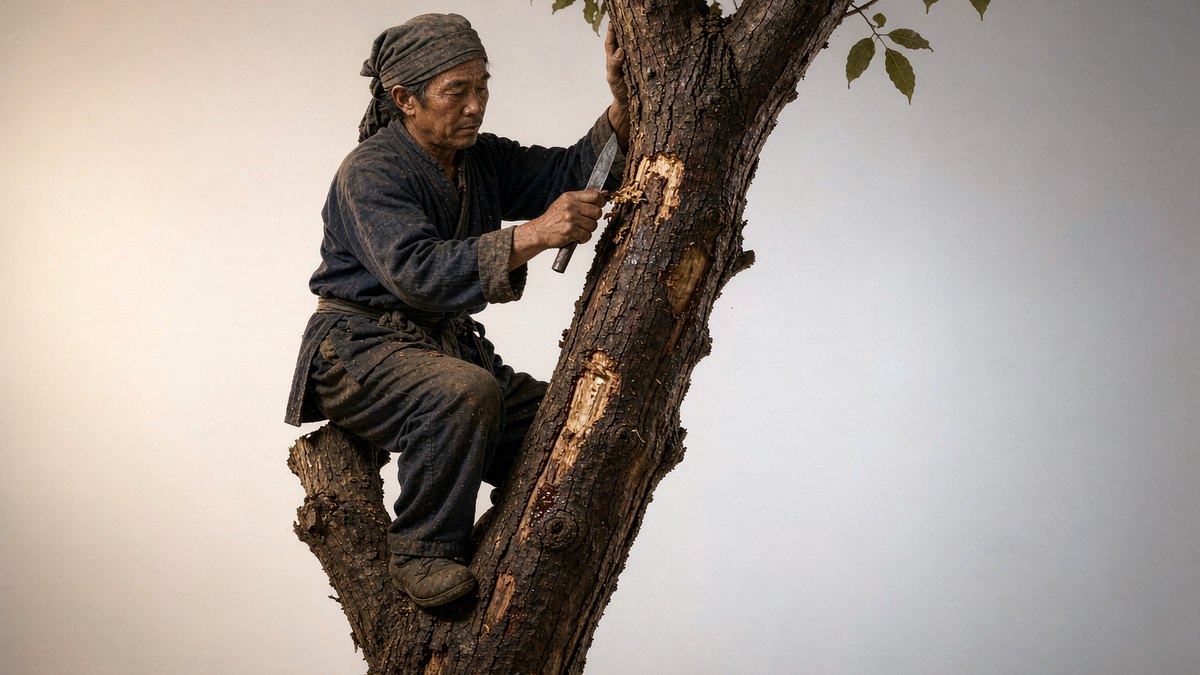
This is no ordinary piece of wood. Born from injury, perfected by time, it crystallizes into the 'diamond of woods'—agarwood. Agarwood forms when trees secrete resin after fungal infection, congealing over decades or even centuries. Across the long sweep of time, it has been not only a source of fragrance but an indispensable cultural symbol of Chinese civilization. Agarwood is also the 'black gold' that has captivated the world for two thousand years.
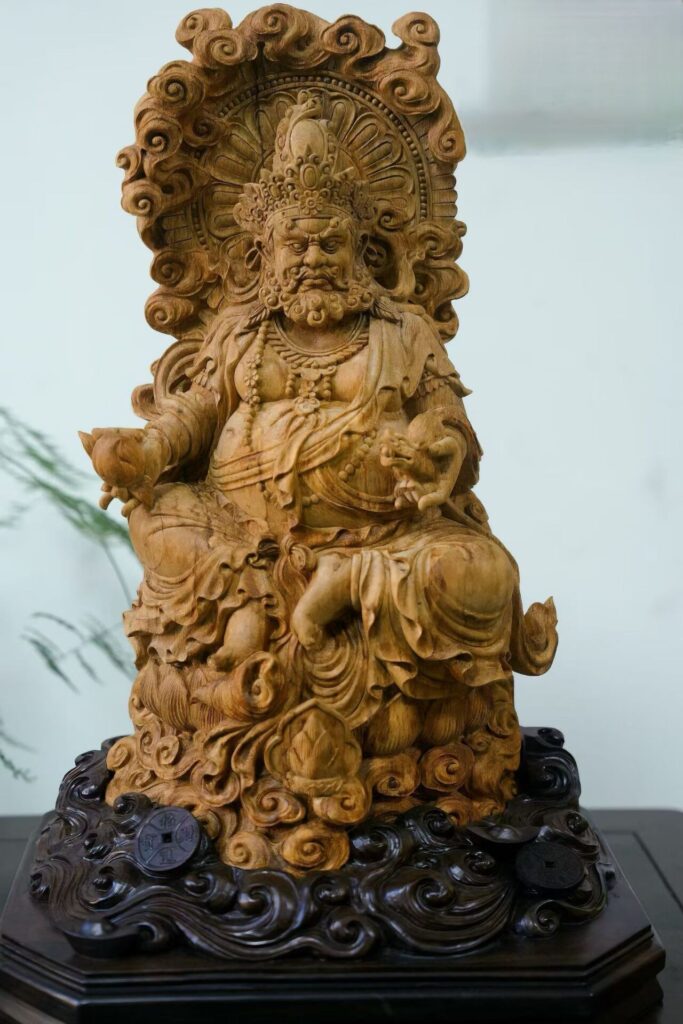
A Thousand Years of History, the Fragrance of Culture
The legend of agarwood begins in the Han Dynasty, over two thousand years ago. It was not produced locally but entered the Central Plains imperial court with southern tribute goods and early maritime exchanges. Its curling smoke evoked an immortal realm, matching the ancients' romantic imagination of ascending to immortality.
By the Tang and Song dynasties, agarwood had entered its golden age. In the Tang Dynasty, with a strong state and flourishing trade, agarwood was imported in large quantities via the Maritime Silk Road and became a luxury good that displayed status.
By the Song Dynasty, people grouped 'burning incense, whisking tea, hanging paintings, and arranging flowers' as the 'four leisurely pursuits,' forming a complete system of refined Chinese living. The Northern Song official Ding Wei's Tianxiang Zhuan (Treatise on Heavenly Fragrance) recorded in detail his observations while gathering agarwood in Hainan, praising it as 'unrivaled under heaven'; it became an important early Chinese text systematically discussing agarwood.
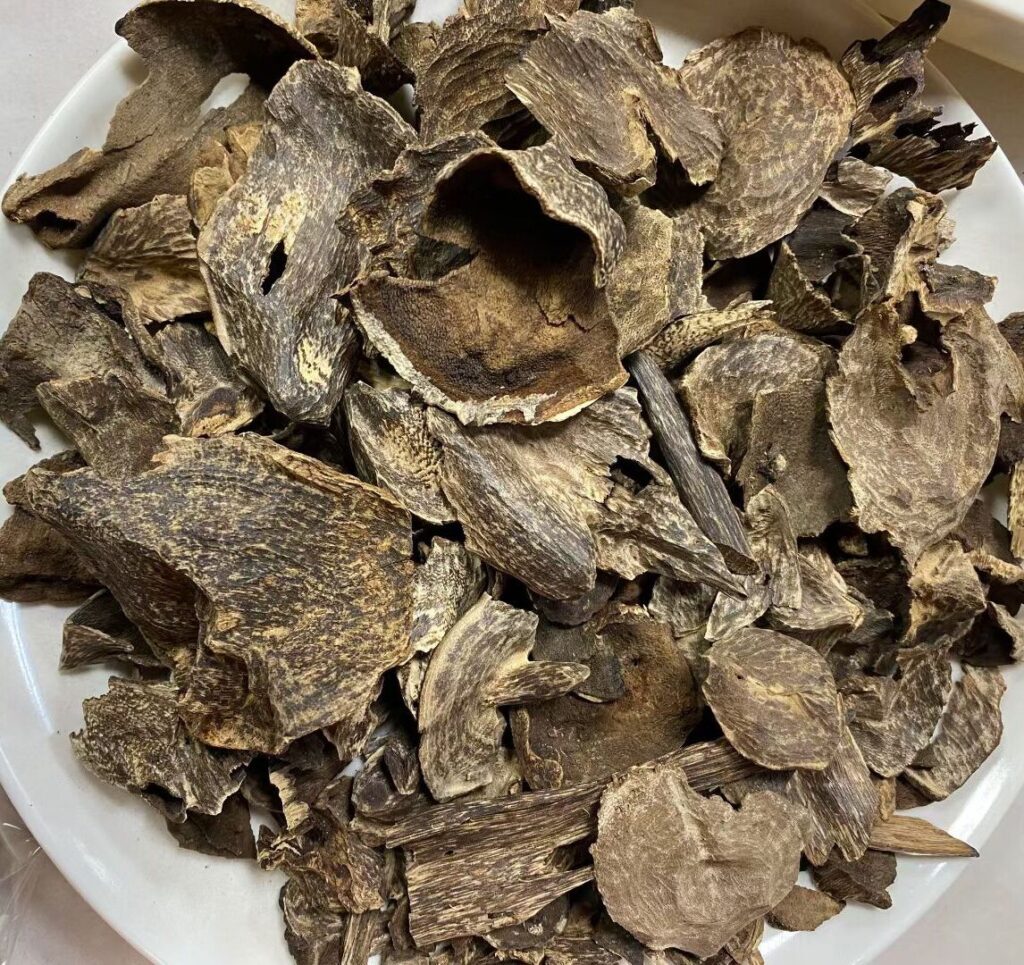
During the Ming and Qing dynasties, the trade and use of agarwood became more widespread. Dongguan, Guangdong's 'Liaobu Incense Market' was grouped with Guangzhou's flower market, Luofu's medicine market, and Hezhou's pearl market as the 'Four Markets of Eastern Guangdong.' The 'Guanxiang' traded there was of superior quality and renowned far and wide.
Guanxiang was transported to Guangzhou port, then carried by vast merchant fleets along the Maritime Silk Road to overseas markets, exchanged for exotic treasures such as ivory and pearls.
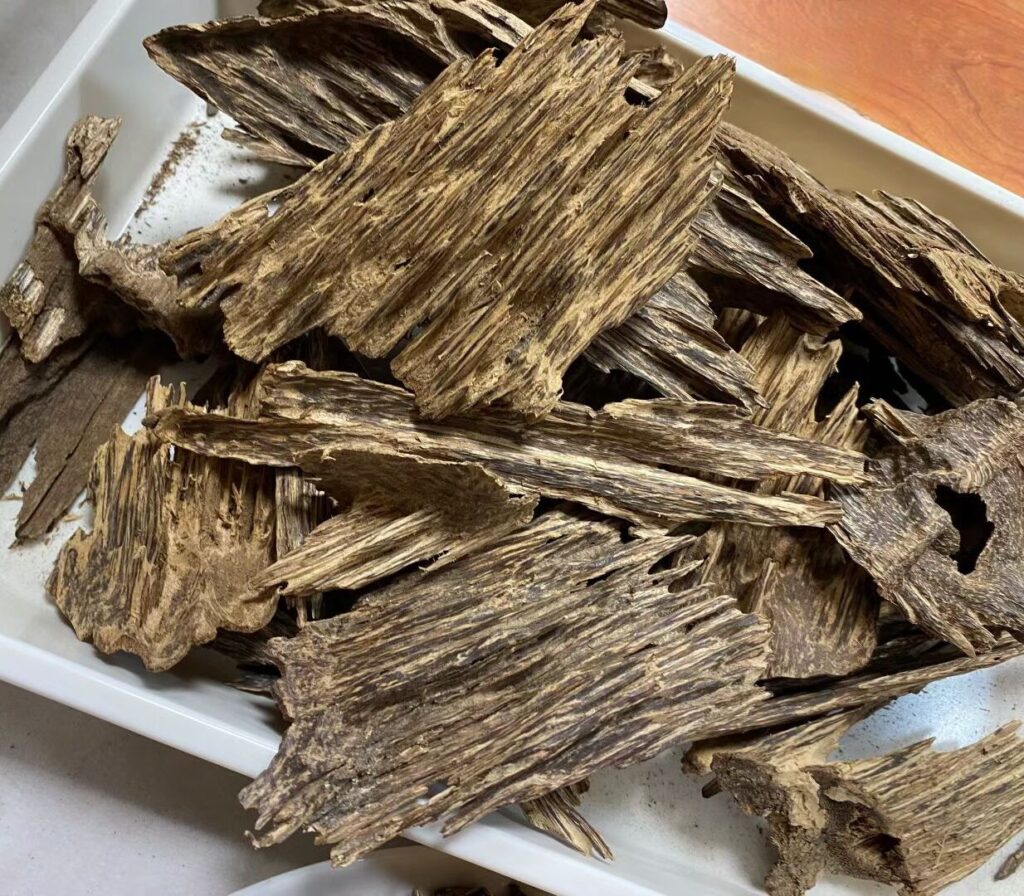
Historians generally believe it was these spices transshipped at the port that gave the place later known as 'Hong Kong' a name combining poetry and fragrance.
Agarwood is not merely an object of refinement; it is a 'soft gold' that has driven the economies of its eras.
Revival and Future: Modern Technology and Industry
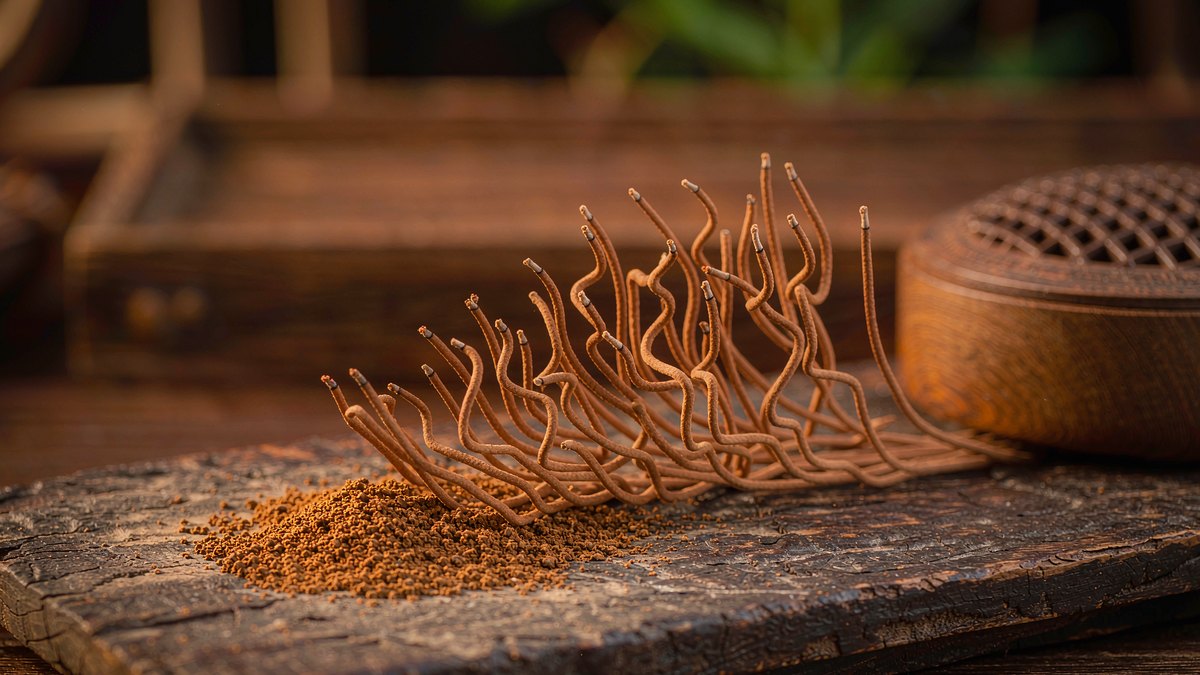
Down to the present day, agarwood culture has not faded; instead, driven by both technology and industry, it has been reborn. With the revival of incense culture, the domestic agarwood market continues to heat up. Not only do offline incense markets remain popular, but online e-commerce platforms have also become important sales channels for agarwood products—from agarwood bracelets and incense sticks to deep-processed products such as agarwood tea and essential oils, various agarwood derivatives are 'breaking out' and integrating into contemporary quality living.
Amid this industrial boom, Hainan agarwood, with its inherited reputation as 'qiongzhi' (Hainan agar), has consistently set the quality benchmark. In recent years, Hainan Province has designated agarwood as a key tropical characteristic industry, actively promoting the construction of the entire industrial chain from cultivation and resin harvesting to product development. In Chengmai, the 'Hometown of Agarwood in China,' agarwood is not only an 'ecological tree' that greens the hills but also a 'revitalization tree' that enriches farmers.
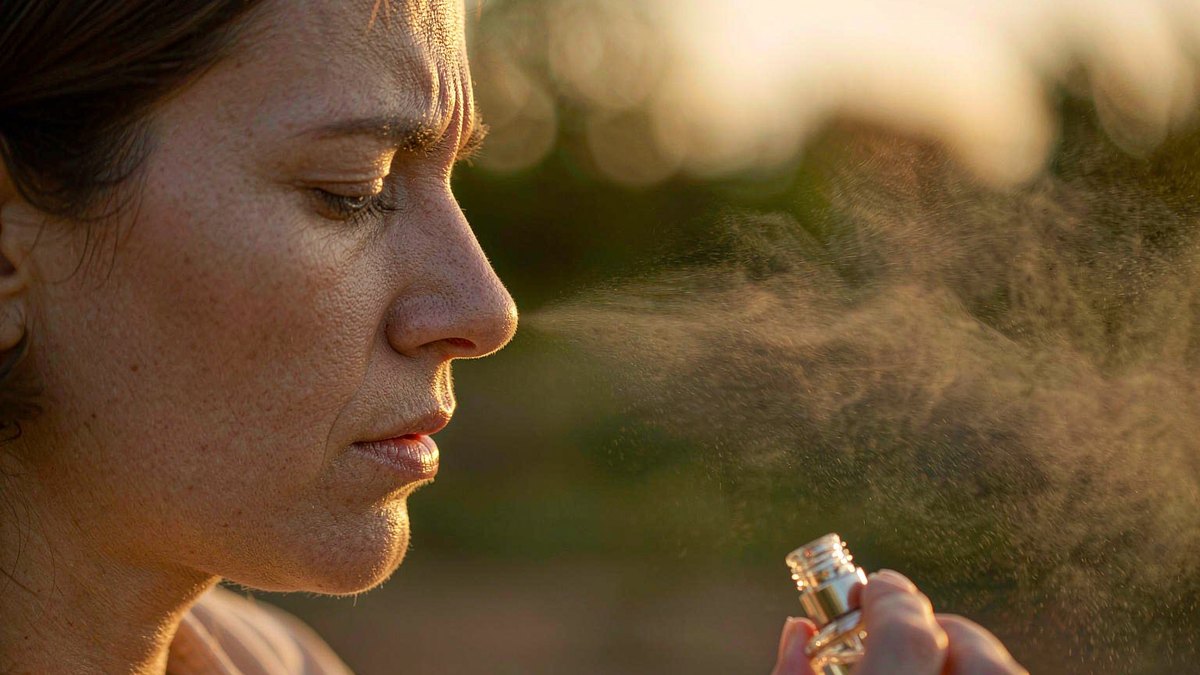
Not only domestically—agarwood fragrance is wafting across the world. From cultural gatherings in East Asia to luxury fragrances in the Middle East, global demand for high-quality agarwood continues to rise, demonstrating the enduring cross-cultural appeal of this strand of Eastern aroma.
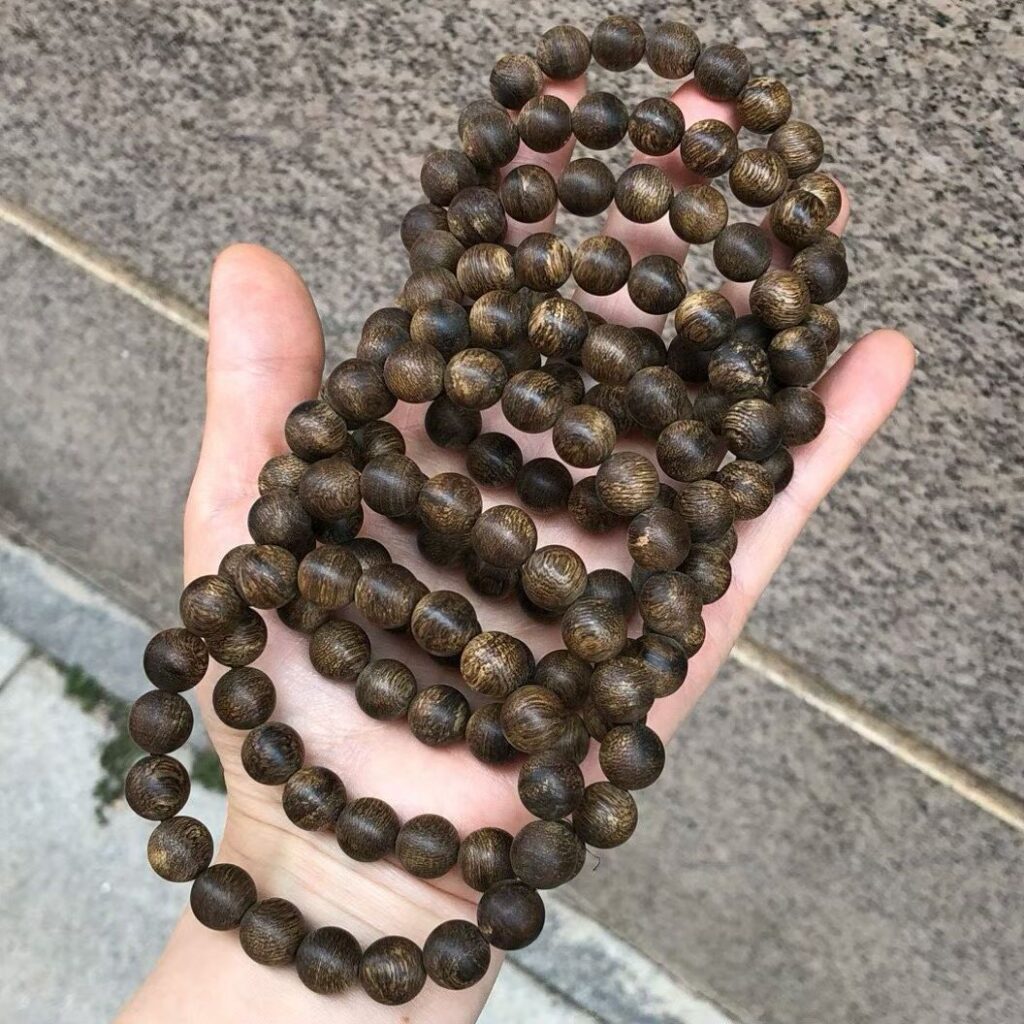
From the boshan censers of the Western Han to modern incense ceremonies, from precious cargo on the Maritime Silk Road to today's 'agarwood gatherings,' agarwood—this wisp of fragrance that has traveled through a thousand years—remains the unchanging soul of refined Eastern living.
A wisp of agarwood conveys refined sentiment; myriad charms reside in heavenly fragrance. Want to experience firsthand the charm of agarwood's thousand-year culture? You are welcome to visit the Tianxiang Guose Exhibition from November 27–30, to appreciate incense, learn about implements, and return to the source of Eastern living aesthetics with us.
This article was compiled by 'Chenxiang123,' original source: https://www.chenxiang123.com/chenxiang-heise-huangjin/
Compiled for general knowledge; traditional references are cultural notes, not medical advice.
Frequently Asked Questions
What is Agarwood?
This is no ordinary wood. Born from injury and perfected by time, it crystallizes into the 'diamond of woods'—agarwood. Agarwood forms when trees secrete resin after fungal infection, congealing over decades or even centuries.
How should I choose agarwood?
Buy from traceable, testable channels and match the form (incense, beads, raw wood) to your use. Avoid exaggerated claims such as "wild" or "sinking grade" without proof, and prefer products with lab reports and origin documentation.
How should agarwood be stored and maintained?
Agarwood dislikes moisture, odours and direct sunlight. Keep it sealed, dark and cool, store different origins separately, and air and inspect long-stored pieces periodically against mould and insects.
How can I tell real agarwood from fake?
Authentication combines sensory checks with technical ones: natural agarwood has a clean, long-lasting, cool-sweet scent and burns with pale, non-pungent smoke. GC-MS analysis of characteristic compounds (chromones, sesquiterpenes) adds objective confirmation. Buying through traceable channels with certificates lowers the risk.
How do agarwood origins differ?
Climate, tree species and resin-induction methods give each origin a distinct scent profile — for example Hainan tends to be clean and elegant, Vietnam sweet and cool, Indonesia deep and full. Origin is a key factor in grading and pricing.
What is the current agarwood market like?
Prices diverge sharply by resin density, origin and form, with both top-end collectibles and entry-level consumer products active. Use actual transactions from legal, testable channels as reference rather than a single quotation.
What is the relationship between agarwood and incense culture?
Agarwood is the core medium of East Asian incense culture, spanning temple offerings, literati gatherings and contemporary lifestyle aesthetics. Understanding this cultural background helps explain its value.
Does agarwood have health benefits?
Traditionally agarwood has been used for calming and sleep-related rituals, but evidence quality and dosage need careful reading. Keep traditional use and scientific evidence clearly separated and follow professional guidance.
参考资料
You may also like
评论区
评论匿名可浏览,登录后可发表;提交后先审后显。
评论加载中…