Nine Medicinal Effects of Agarwood
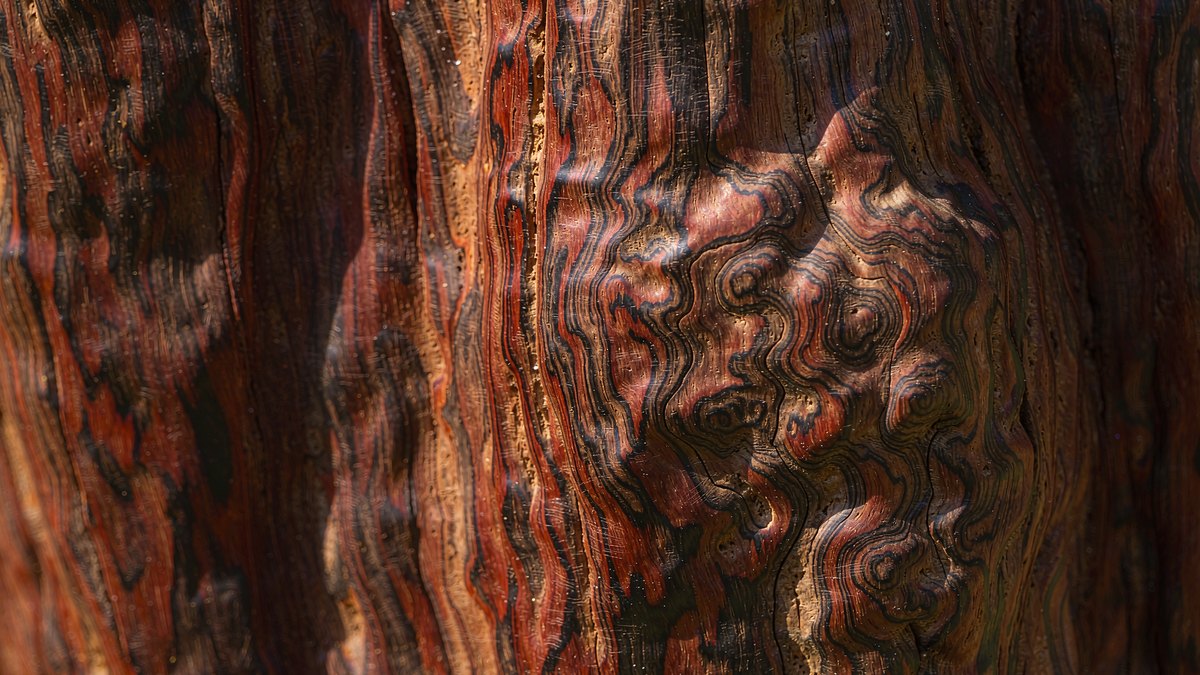
It is well known that agarwood is a precious aromatic medicinal wood that can be made into accessories or display pieces for appreciation and incense enjoyment. Agarwood can also be used as medicine and is an outstanding traditional Chinese medicinal material. The Compendium of Materia Medica long ago recorded the nine medicinal effects of agarwood, including promoting qi circulation and relieving pain, warming the kidneys and nourishing essence, strengthening yang and eliminating bi-syndrome, yang deficiency constipation, descending adverse qi and regulating the middle, damp-wind skin itching, cholera and sudden malign disorders, abdominal distension and pain, and stomach-cold vomiting.

“Promoting qi circulation and relieving pain”
Agarwood is acrid, aromatic, warming, and unblocking; it is warm without being drying, and moves without draining. It also has a good effect of promoting qi circulation and relieving pain. Therefore, it is highly effective in treating abdominal distension and pain, as well as injuries from falls, fractures, and other conditions.
“Warming the kidneys and nourishing essence”
In men with cold essence, whether due to congenital deficiency and inherently weak constitution, or prolonged or severe illness that damages the kidneys over time, or frequent masturbation in youth that injures the original vitality, symptoms may include soreness and coldness of the waist and knees, coldness of the glans, cold body and limbs, fatigue and lack of spirit, loose stools and impotence, pale and swollen moist tongue, and deep, thin pulse. Agarwood warms and strengthens kidney yang, warms essence and nourishes fluids, and is therefore indicated for treating this condition.
“Strengthening yang and eliminating bi-syndrome”
“Agarwood is pure yang and ascends; its body is heavy and descends; its flavor is acrid and dispersing; its qi is vigorous and moves horizontally. Thus it has the power to penetrate heaven and earth, warm and nourish the zang-fu organs, soothe the sinews and activate the collaterals, and has the function of strengthening yang and eliminating bi-syndrome.” The acrid, warming, qi-unblocking, and blood-moving properties of agarwood, along with its ability to disperse pathogenic factors and eliminate bi-syndrome, can also be used for cold-wind numbness and inability to bear weight in the bones and joints.
“Yang deficiency constipation”
Whenever there is yang deficiency and weak constitution, or decline in old age, yin-cold is generated internally and retained in the stomach and intestines, causing congealed yin to bind and solidify, so that yang qi does not flow and body fluids do not move. Consequently, the intestinal tract has difficulty in transmitting and transporting, leading to constipation, with dry and difficult stools, clear and long urine, pale complexion, cold limbs, preference for heat and fear of cold, cold pain in the abdomen, or soreness and coldness of the lower back and spine, pale tongue with white coating, and deep, slow pulse. Agarwood warms and supplements yang qi, promotes qi circulation, and unblocks the bowels, and is therefore indicated for treating this condition.
“Descending adverse qi and regulating the middle”
Agarwood is heavy in substance and sinks downward, while its aromatic qi ascends and disperses. It enters the spleen and stomach meridians, harmonizes stomach qi, raises spleen qi, is warm without being drying, and is good at moving without draining. By descending adverse qi and regulating the middle, it is effective in treating spleen-stomach deficiency-cold, disordered ascent and descent, vomiting and hiccups, and constipation.
“Damp-wind skin itching”
This is often caused by excessive consumption of fatty, sweet, rich, and strongly flavored foods, acrid aromatics, and roasted foods, which cause dampness to accumulate in the body; when wind pathogen is contracted again, wind and dampness contend and cause illness. When wind predominates, there is itching, so scratching is incessant; when dampness predominates, blisters, papules, oozing, or erosion may appear. The acrid flavor of agarwood disperses wind, and its bitter flavor dries dampness. When damp-wind is eliminated, itching stops naturally.
“Cholera and sudden malign disorders”
Agarwood has the effects of regulating the middle and raising clear qi while descending turbid qi, and is effective in treating cholera with vomiting and diarrhea. Symptoms include sudden onset, severe vomiting and diarrhea, projectile vomiting that pours from the mouth, stools initially like mud and then like rice-washing water, etc. Agarwood raises spleen qi and descends stomach qi, separates clear and turbid, and is effective in treating cholera.
“Abdominal distension and pain”
This is often caused by improper diet, leading to failure of stomach qi to descend; or by external contraction of cold pathogen that enters the stomach; or by worry, overthinking, and anger that cause qi stagnation damaging the liver, which then attacks the stomach transversely. All of these lead to qi movement obstruction and cause abdominal distension and pain, with belching, acid regurgitation, nausea and vomiting, unsmooth defecation, thick greasy coating, and deep slippery pulse. Agarwood is warming and can move qi, promote digestion, and remove stagnation, so distension and pain resolve naturally.
“Stomach-cold vomiting”
This is often caused by middle-jiao yang deficiency in the constitution, or by excessive eating of raw and cold foods that severely damages stomach yang, both leading to upward rebellion of stomach qi. There is incessant vomiting, cold pain in the stomach, coldness of the four limbs, pale tongue, and weak pulse. Because cold is in the middle jiao and stomach qi fails to descend, vomiting occurs. Agarwood warms the stomach and regulates the middle; descends adverse qi and stops vomiting. When cold pathogen is removed, stomach qi descends, middle transportation becomes healthy, and vomiting stops naturally.
This article was compiled by “Chenxiang.com”; original source: https://www.chenxiang123.com/chenxiang-de-jiuda-yaoxiao/
Compiled for general knowledge; traditional references are cultural notes, not medical advice.
Frequently Asked Questions
What is Nine Medicinal Effects of Agarwood?
Agarwood is a precious aromatic medicinal wood used for ornaments, display pieces, and incense, and is also an outstanding traditional Chinese medicine. The Compendium of Materia Medica records its nine medicinal effects.
How should I choose agarwood?
Buy from traceable, testable channels and match the form (incense, beads, raw wood) to your use. Avoid exaggerated claims such as "wild" or "sinking grade" without proof, and prefer products with lab reports and origin documentation.
How should agarwood be stored and maintained?
Agarwood dislikes moisture, odours and direct sunlight. Keep it sealed, dark and cool, store different origins separately, and air and inspect long-stored pieces periodically against mould and insects.
How can I tell real agarwood from fake?
Authentication combines sensory checks with technical ones: natural agarwood has a clean, long-lasting, cool-sweet scent and burns with pale, non-pungent smoke. GC-MS analysis of characteristic compounds (chromones, sesquiterpenes) adds objective confirmation. Buying through traceable channels with certificates lowers the risk.
How do agarwood origins differ?
Climate, tree species and resin-induction methods give each origin a distinct scent profile — for example Hainan tends to be clean and elegant, Vietnam sweet and cool, Indonesia deep and full. Origin is a key factor in grading and pricing.
What is the current agarwood market like?
Prices diverge sharply by resin density, origin and form, with both top-end collectibles and entry-level consumer products active. Use actual transactions from legal, testable channels as reference rather than a single quotation.
What is the relationship between agarwood and incense culture?
Agarwood is the core medium of East Asian incense culture, spanning temple offerings, literati gatherings and contemporary lifestyle aesthetics. Understanding this cultural background helps explain its value.
Does agarwood have health benefits?
Traditionally agarwood has been used for calming and sleep-related rituals, but evidence quality and dosage need careful reading. Keep traditional use and scientific evidence clearly separated and follow professional guidance.
参考资料
You may also like



评论区
评论匿名可浏览,登录后可发表;提交后先审后显。
评论加载中…