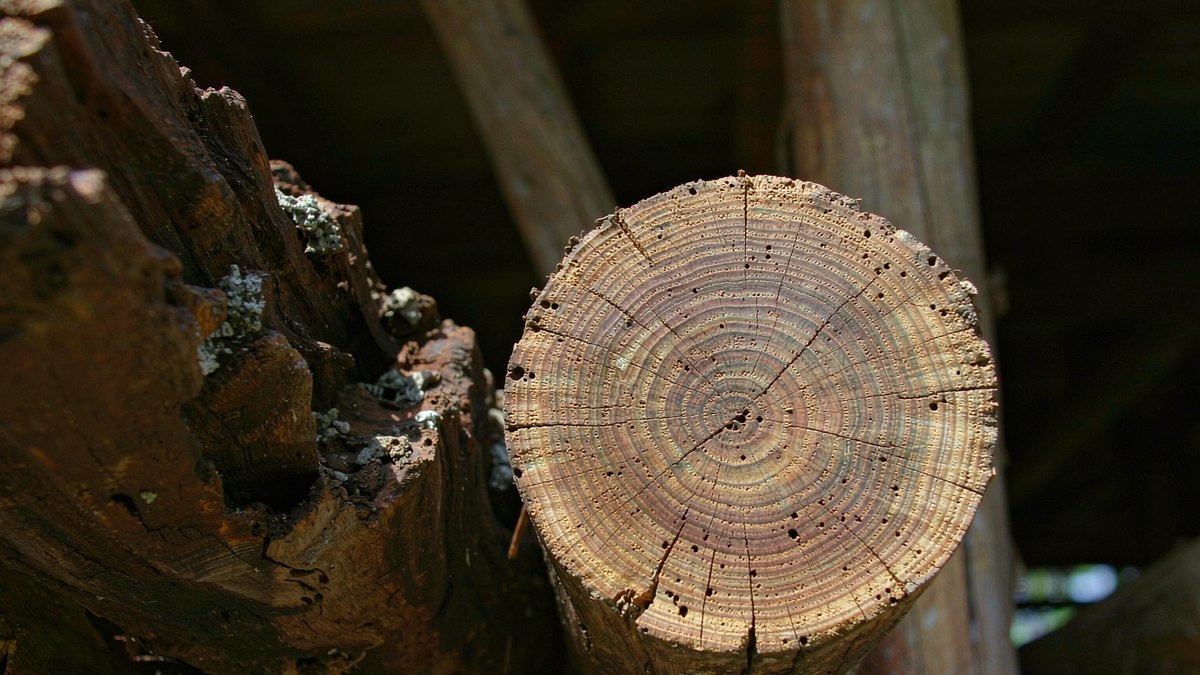
Agarwood Industry: The Value Transformation of a Single Agarwood Tree
Hainan agarwood, once worth "a piece of gold for a piece of wood" since ancient times, now spreads its fragrance across the world. Agarwood, this ancient and precious tree, empowered by science and technology, is undergoing a value transformation from "slow growth" to "efficient production" and from "single use" to "full-chain development."
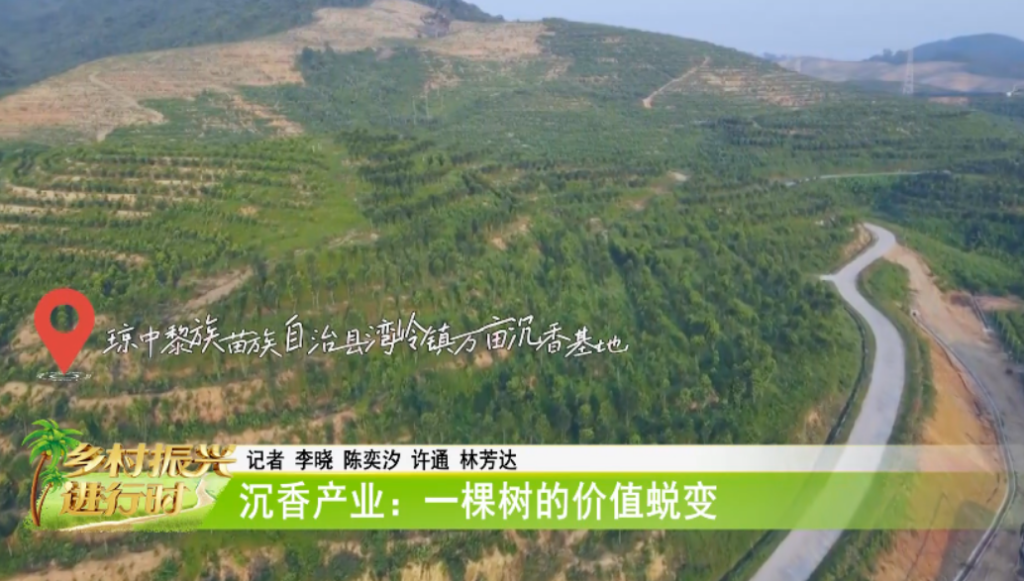
With the scientific and technological empowerment of the Chinese Academy of Tropical Agricultural Sciences, how is Hainan's agarwood industry revitalized to become a "golden tree" that enriches the people and invigorates villages? Today, we step into the agarwood forests of Qiongzhong to explore the value-added secret of a single tree.
In the 10,000-mu agarwood base in Wanling Town, Qiongzhong Li and Miao Autonomous County, these waist-high saplings carry the new hope of farmers for increased income.
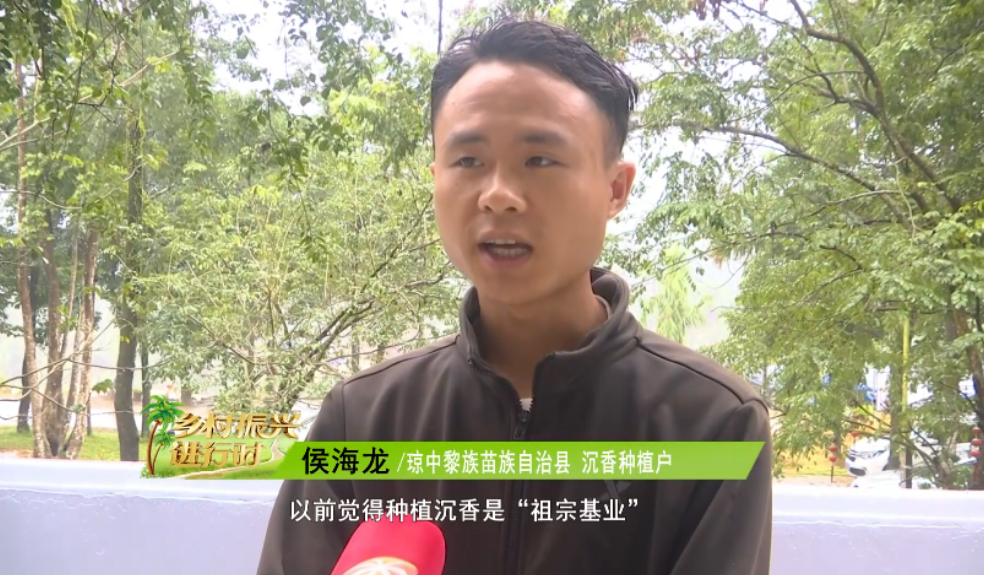
In the past, planting agarwood was considered an "ancestral trade," with too long a (planting) cycle to wait for. Now the Chinese Academy of Tropical Agricultural Sciences has brought good varieties and new technologies; resin formation can be achieved in three years, and the company guarantees buyback, so we feel much more secure.
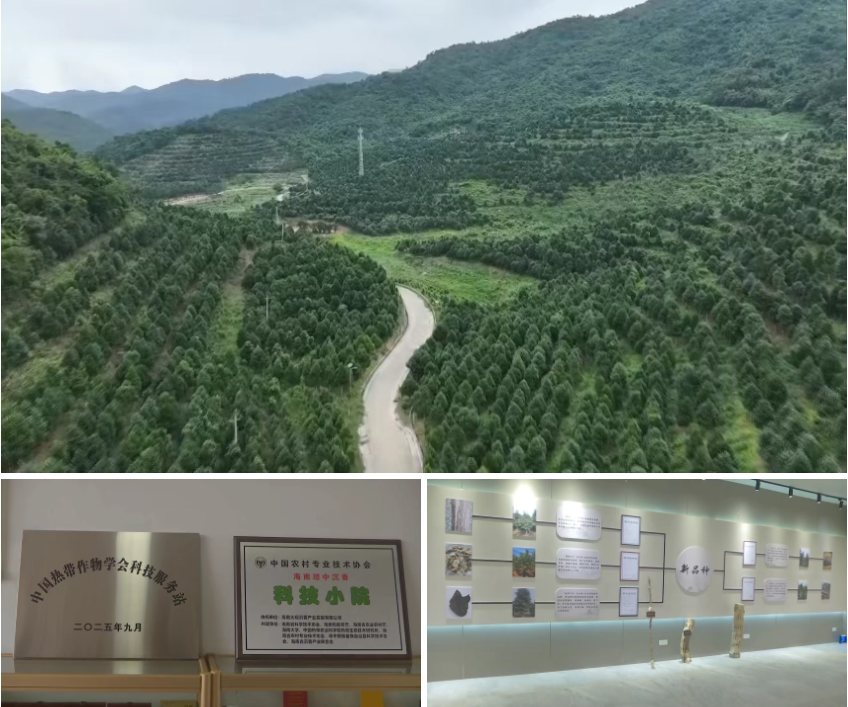
The confidence that makes farmers feel "secure" comes from technological breakthroughs. In the past, the bottleneck of agarwood industry development lay in: uneven quality of agarwood tree varieties, planting time of more than ten years, and uncontrollable quality. The Chinese Academy of Tropical Agricultural Sciences started from the source of the industry, dedicated to the collection and innovation of agarwood germplasm resources.
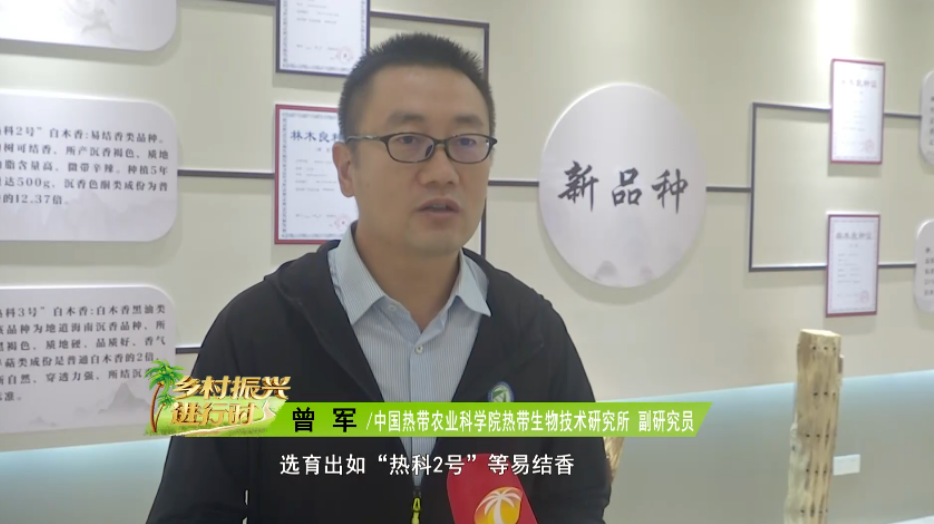
We have established an agarwood germplasm resource nursery and selected and bred five new varieties such as "Reke No. 2" that are easy for resin formation, high-yielding, and of superior quality. This has laid a solid "seed source" foundation for the improved-variety and industrialized development of Hainan agarwood.
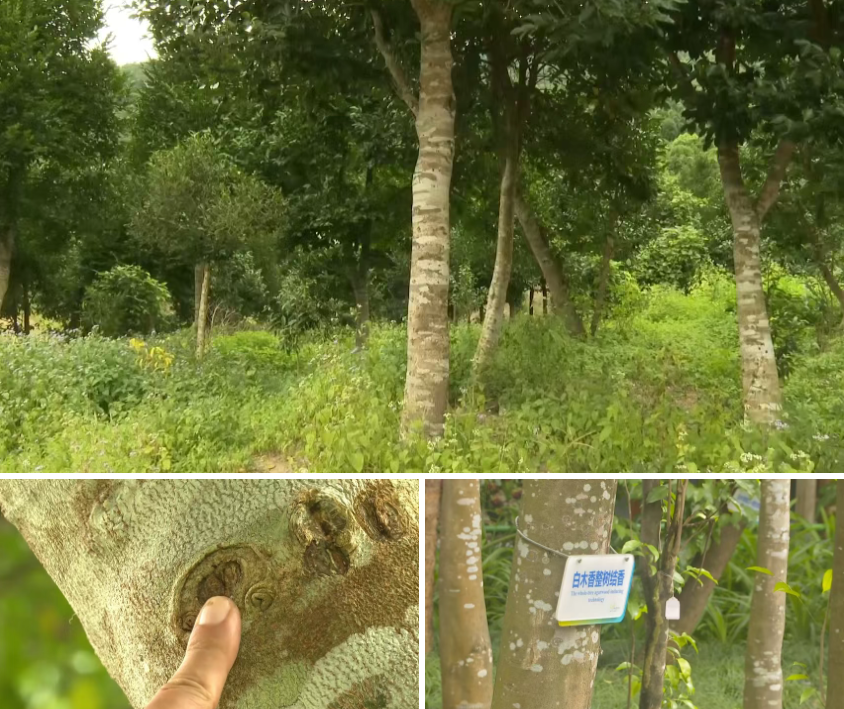
Good varieties also require good methods. At the science and technology demonstration sites of the Chinese Academy of Tropical Agricultural Sciences, a standardized planting technology system is being implemented, from balanced fertilization and integrated water-fertilizer management to comprehensive pest and disease control, ensuring the efficient growth of agarwood trees. The core key determining the final value of agarwood lies in "resin formation." Traditional natural resin formation or artificial wound-induced resin formation has a long cycle and low yield. The new whole-tree resin formation technology developed by the Chinese Academy of Tropical Agricultural Sciences has broken this bottleneck.
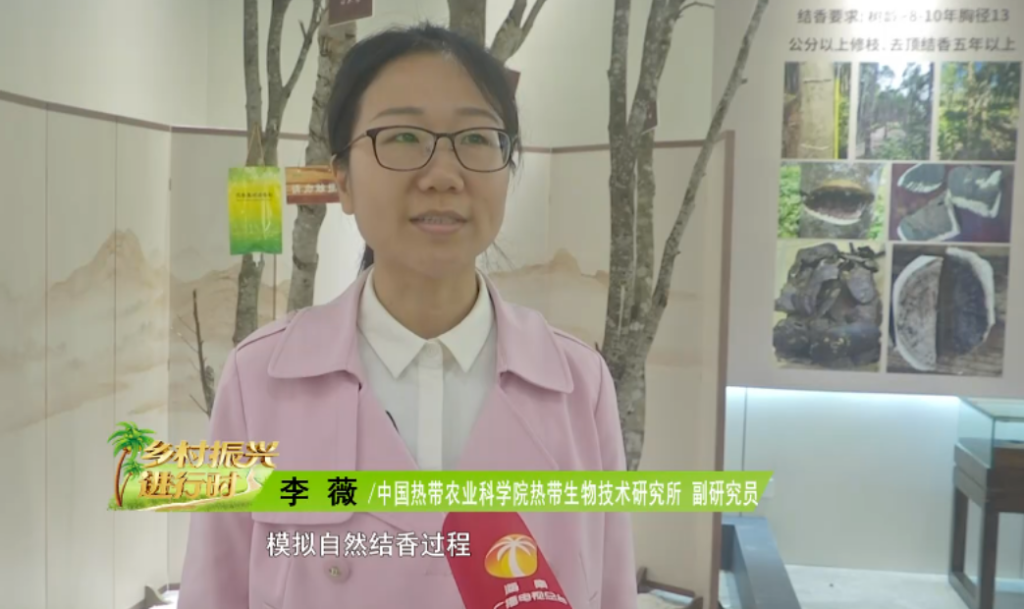
We induce whole-tree resin formation through technology, simulating the natural resin formation process. This technology is efficient, high-yielding, safe, and low-cost. It can shorten the resin formation cycle to two years, and the resin quality is stable. This technology is a key step in driving the agarwood industry from "relying on the weather" to "factory-style production," ensuring the effective supply of agarwood raw materials.
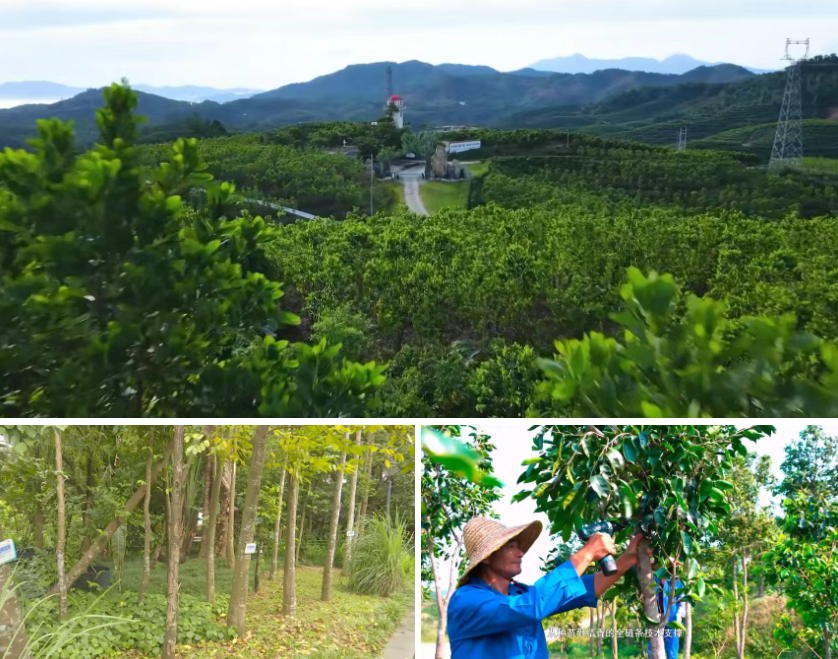
The support of science and technology has enabled the value of "a single tree" to achieve its first transformation—from an ordinary tree to a source of precious fragrance that is predictable and mass-producible. Under the "one institute for one county" mechanism, this scientific and technological achievement has rapidly taken root in Qiongzhong through the "company + research institution + farmer" model.
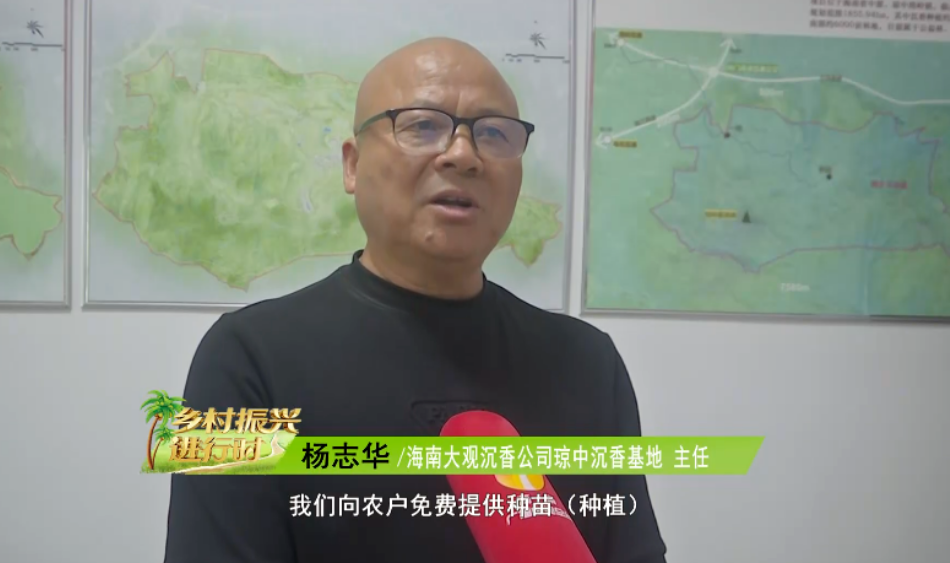
The Chinese Academy of Tropical Agricultural Sciences has provided us with full-chain technical support from seedlings to resin formation. We provide seedlings to farmers free of charge, experts from the Chinese Academy of Tropical Agricultural Sciences provide technical guidance, and we guarantee buyback of resin products. In 2025, we led surrounding farmers to plant over a hundred mu of agarwood, with a guaranteed income of 5,000 yuan per mu. If resin formation is the first transformation of the value of the agarwood tree, then deep processing and comprehensive development have enabled this tree to complete its second leap in value.
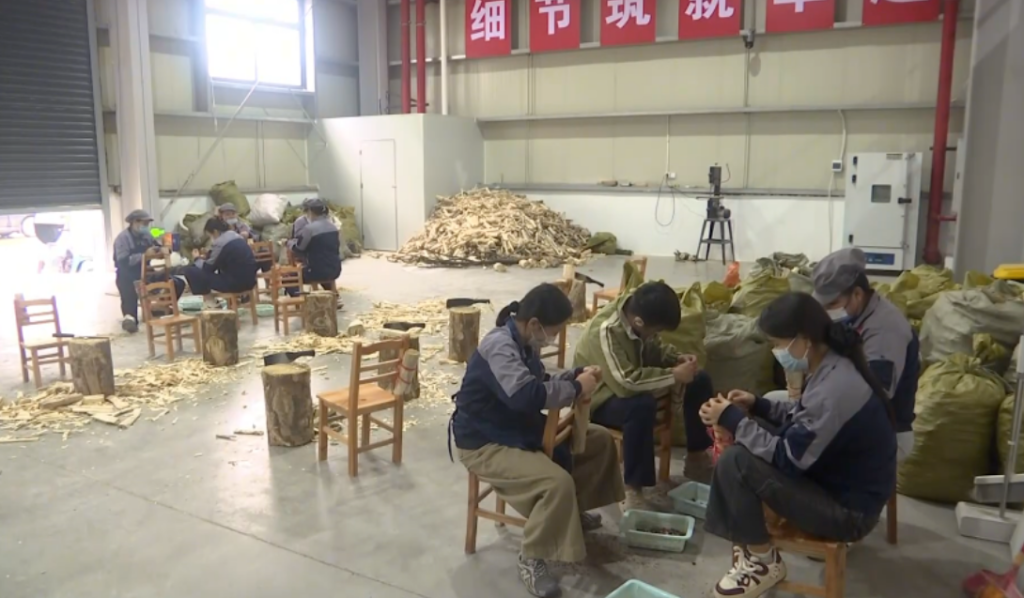
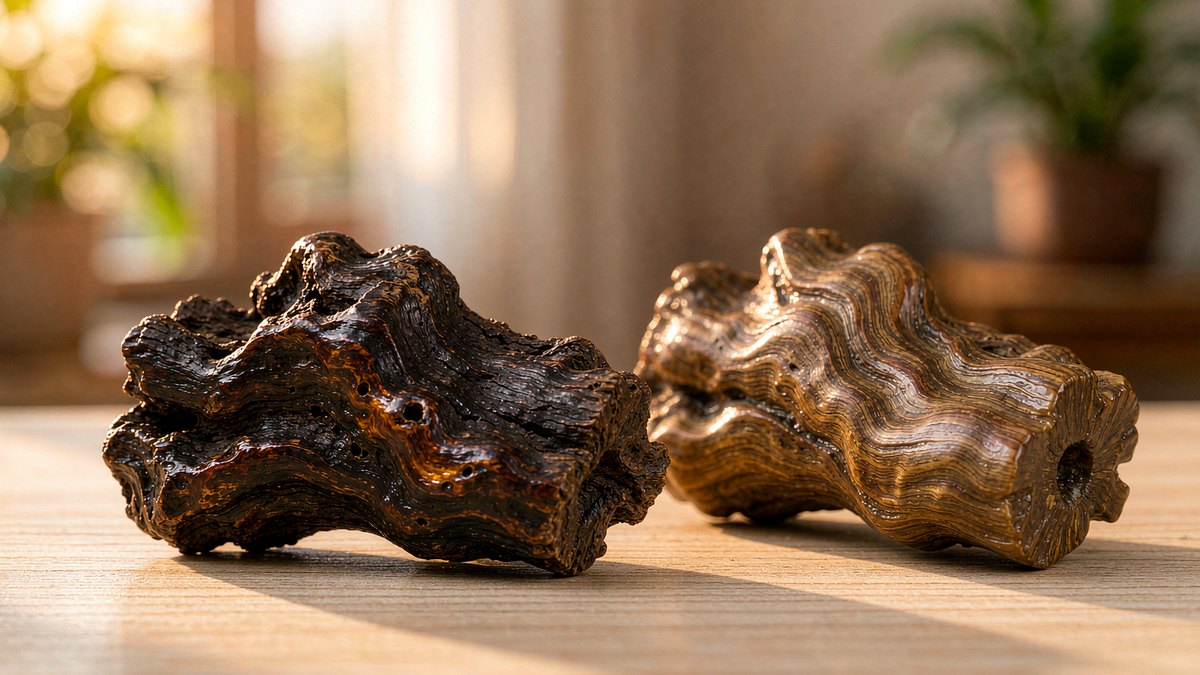
In the processing factory in Qiongzhong, agarwood leaves are made into fragrant tea, and agarwood essence is extracted and turned into a series of high-value-added products such as essential oils, toothpaste, and beverages.
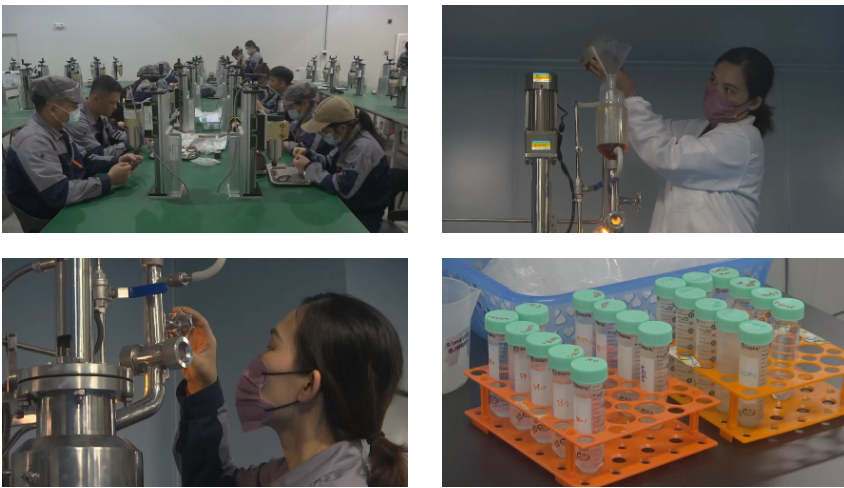
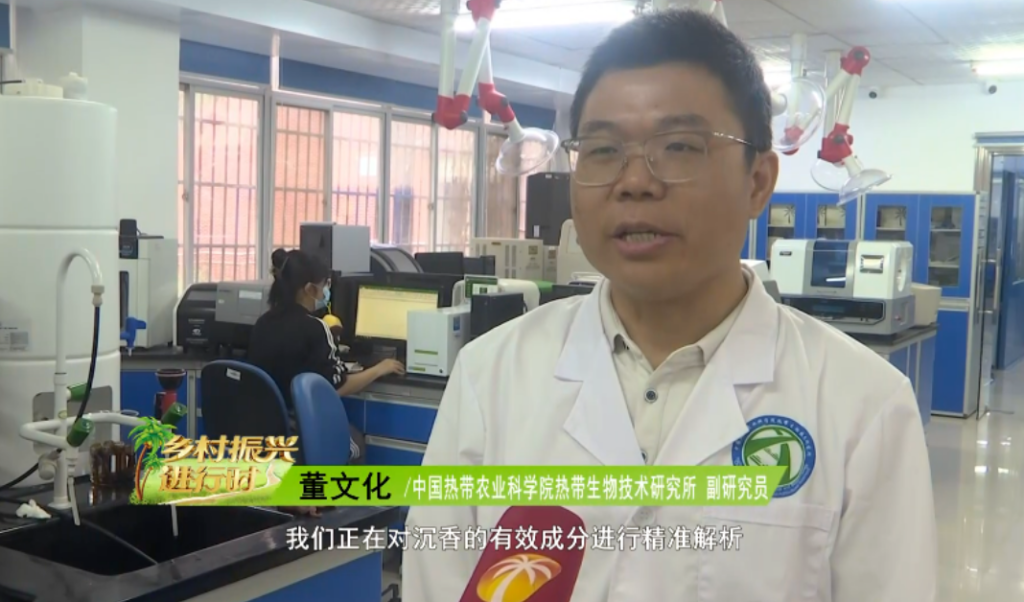
But this is far from the end. In the laboratories of the Chinese Academy of Tropical Agricultural Sciences, scientists are further decoding the mysteries of agarwood.
Compiled for general knowledge; traditional references are cultural notes, not medical advice.
Frequently Asked Questions
What is Agarwood Industry?
Hainan agarwood, once worth "a piece of gold for a piece of wood," now spreads its fragrance across the world. Empowered by science and technology, this ancient and precious tree is undergoing a value transformation from "slow growth" to "efficient production" and from "single use" to "full-chain de
How should I choose agarwood?
Buy from traceable, testable channels and match the form (incense, beads, raw wood) to your use. Avoid exaggerated claims such as "wild" or "sinking grade" without proof, and prefer products with lab reports and origin documentation.
How should agarwood be stored and maintained?
Agarwood dislikes moisture, odours and direct sunlight. Keep it sealed, dark and cool, store different origins separately, and air and inspect long-stored pieces periodically against mould and insects.
How can I tell real agarwood from fake?
Authentication combines sensory checks with technical ones: natural agarwood has a clean, long-lasting, cool-sweet scent and burns with pale, non-pungent smoke. GC-MS analysis of characteristic compounds (chromones, sesquiterpenes) adds objective confirmation. Buying through traceable channels with certificates lowers the risk.
How do agarwood origins differ?
Climate, tree species and resin-induction methods give each origin a distinct scent profile — for example Hainan tends to be clean and elegant, Vietnam sweet and cool, Indonesia deep and full. Origin is a key factor in grading and pricing.
What is the current agarwood market like?
Prices diverge sharply by resin density, origin and form, with both top-end collectibles and entry-level consumer products active. Use actual transactions from legal, testable channels as reference rather than a single quotation.
What is the relationship between agarwood and incense culture?
Agarwood is the core medium of East Asian incense culture, spanning temple offerings, literati gatherings and contemporary lifestyle aesthetics. Understanding this cultural background helps explain its value.
Does agarwood have health benefits?
Traditionally agarwood has been used for calming and sleep-related rituals, but evidence quality and dosage need careful reading. Keep traditional use and scientific evidence clearly separated and follow professional guidance.
参考资料
You may also like
评论区
评论匿名可浏览,登录后可发表;提交后先审后显。
评论加载中…