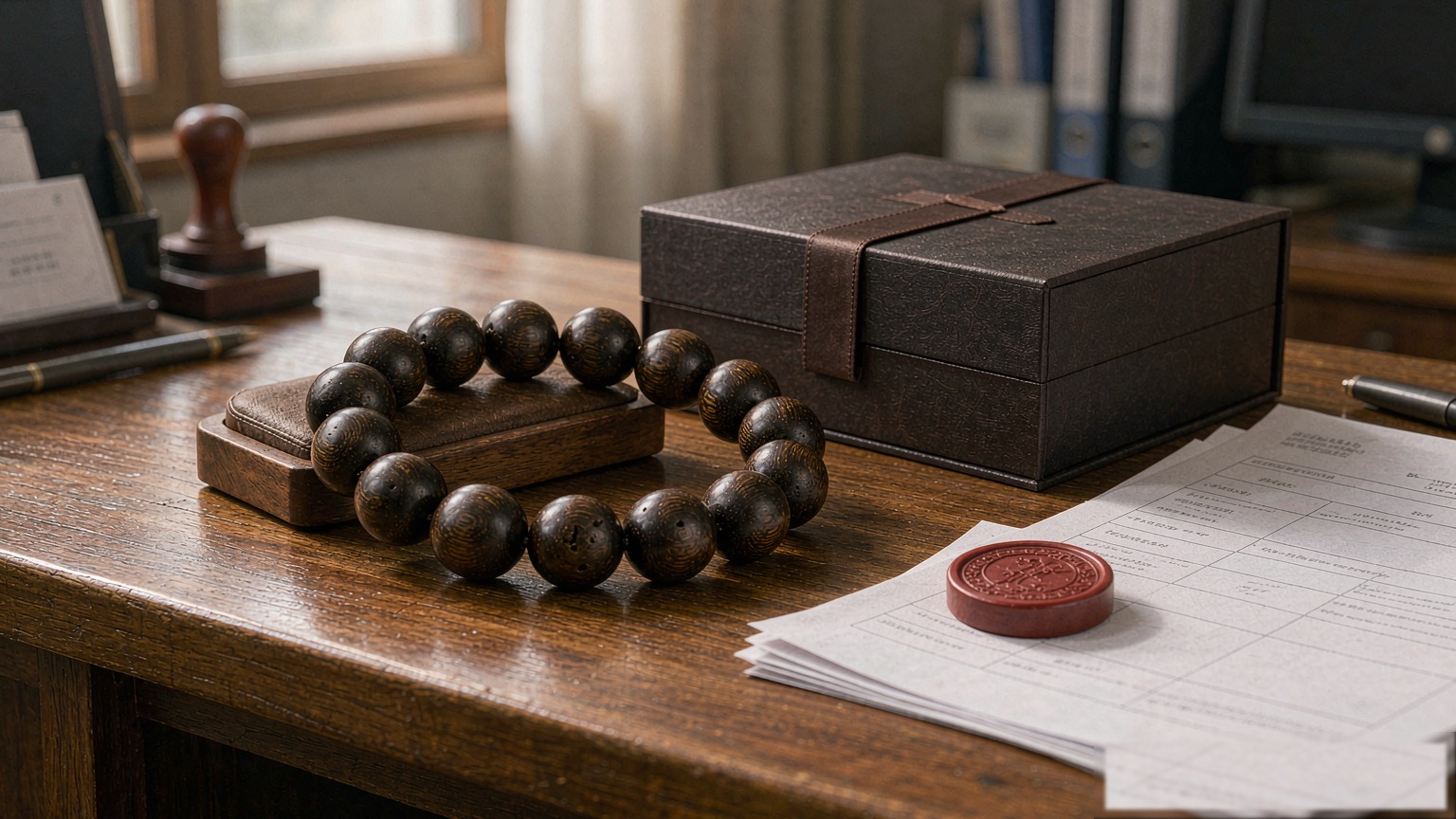
Agarwood: The World's Most Fragrant Tree
Agarwood, the world's most fragrant tree.
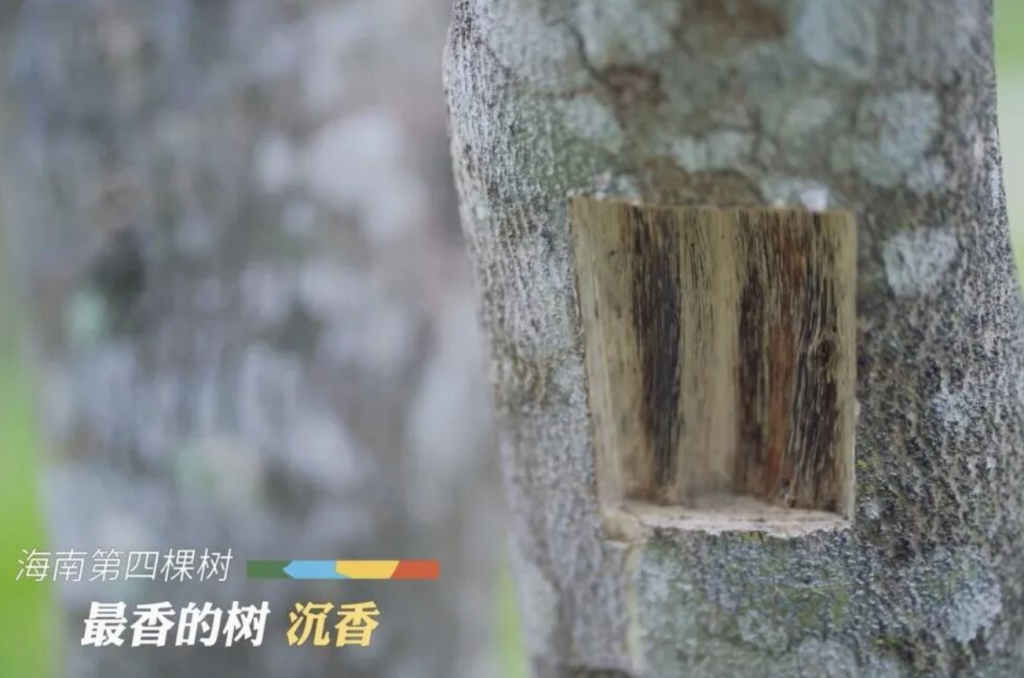
When you think of Hainan, what comes to mind? Hainan is home to the world's largest flower-shaped artificial island (Ocean Flower Island), the tallest Buddha statue (Nanhai Guanyin), the largest duty-free shop… and also "Qiongzhong heavenly fragrance, the finest under heaven," "the finest in taste under heaven," "the first of ten thousand fragrances"—Hainan agarwood.
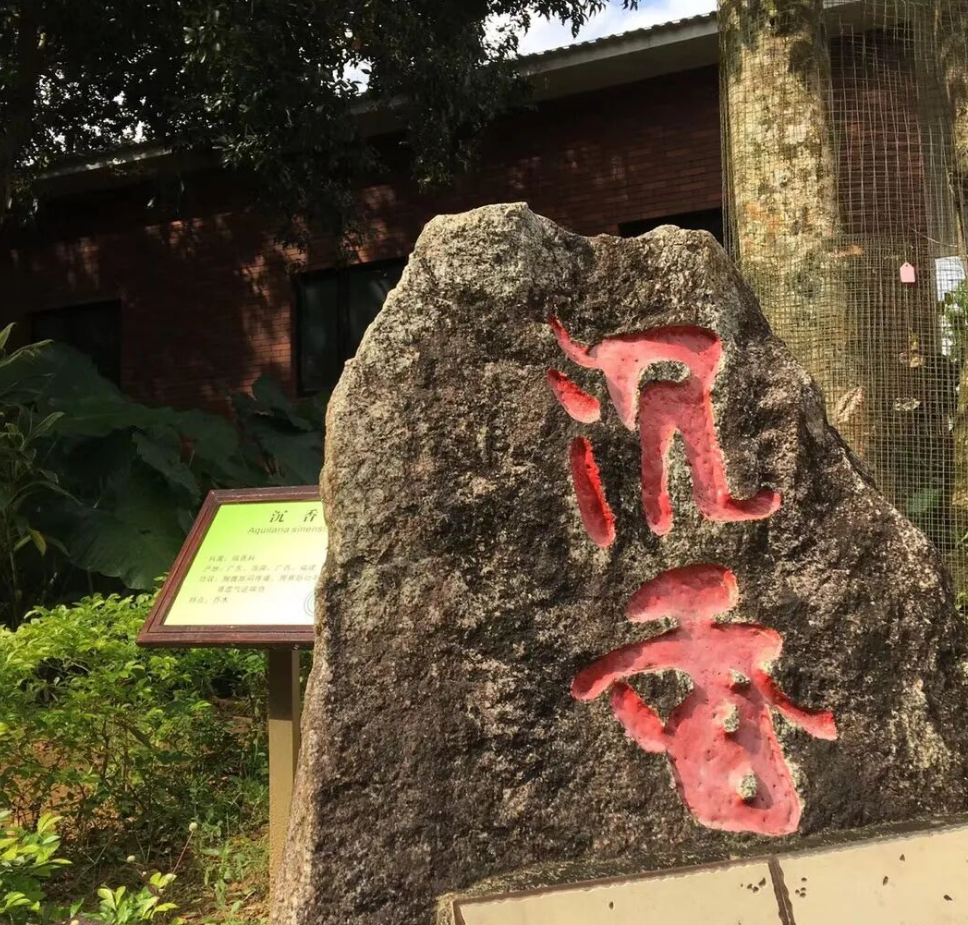
Agarwood, known as "fragrant for a lifetime"—once smelled, its scent threads into the heart and lingers unforgettably. Agarwood is in fact a wood containing aromatic secretions, produced by various plants of the Aquilaria genus in the Thymelaeaceae family. Since ancient times, agarwood has been regarded as a precious spice and traditional Chinese medicine; in the Song Dynasty there was even the saying "one liang of agarwood, one liang of gold." So today, Chenxiang123 brings you a primer on this most fragrant tree: agarwood.
[Where exactly does agarwood's fragrance come from?]
In fact, agarwood's "fragrance" is a defense weapon—it is secreted only when the trunk or roots suffer physical wounds and are subsequently invaded by microorganisms. It appears as a yellowish-brown resin containing aromatic compounds such as sinensal and guaiol, forming a medicinal-smelling aroma profile.
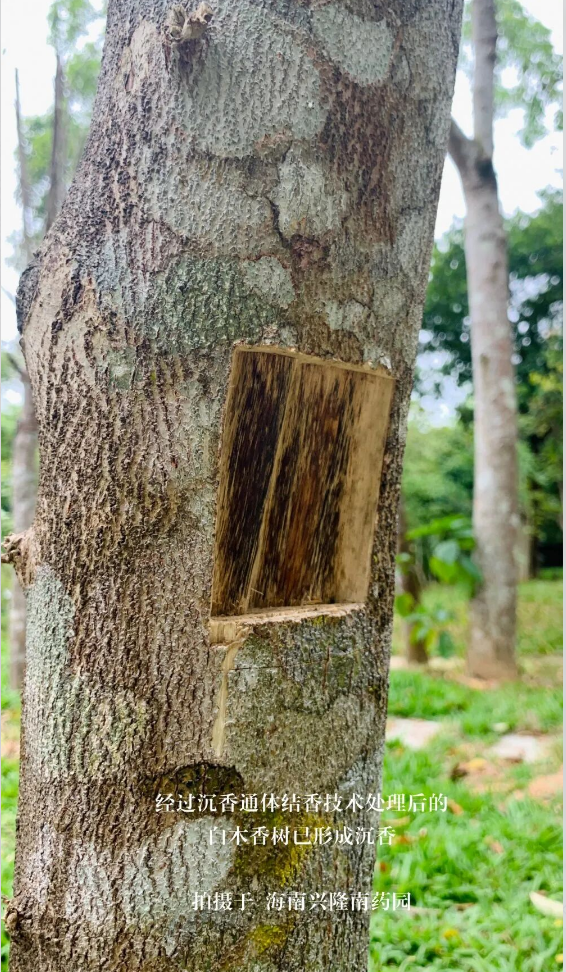
These aromatic resins mainly exist in the phloem. The phloem of Aquilaria plants is rather special: unlike most woody plants, where it is distributed around the outer edge of the xylem, it is scattered like islands in the center of the xylem—botanically called included phloem—and under dissecting and light microscopes one can see small transverse strips perpendicular to the wood ray direction.
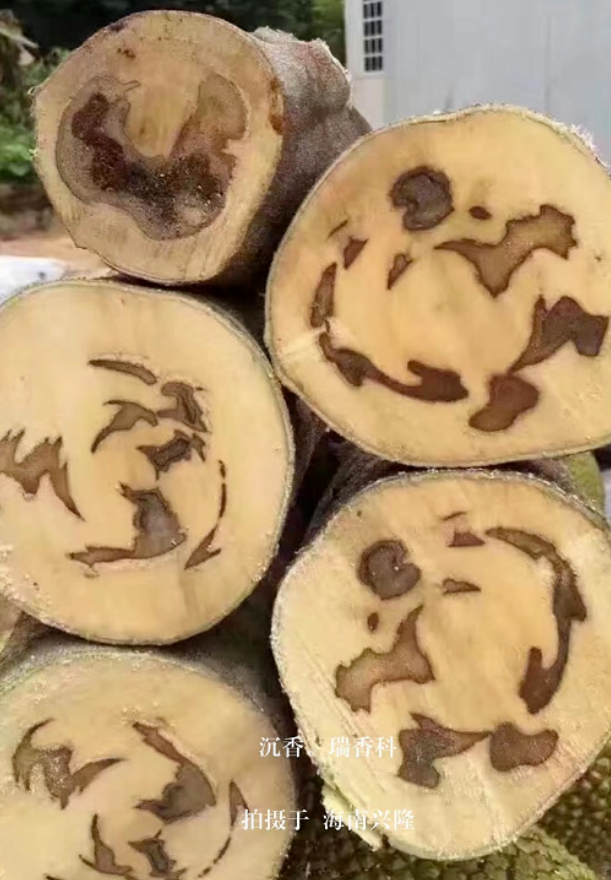
Agarwood wood itself is very light and soft, with extremely low density. Only wood chips with oil content high enough to a certain degree can sink in water; agarwood with particularly high oil content is called kālāguru in Sanskrit, transliterated as "qinan."
[Conditions for agarwood formation]
In a broad sense, agarwood is the transformed sap of plants from four specific families and genera: Burseraceae, Lauraceae, Thymelaeaceae, and Euphorbiaceae (currently, agarwood recognized worldwide still specifically refers to trees of the Aquilaria genus in the Thymelaeaceae family). For resin formation to occur, the following conditions are necessary:
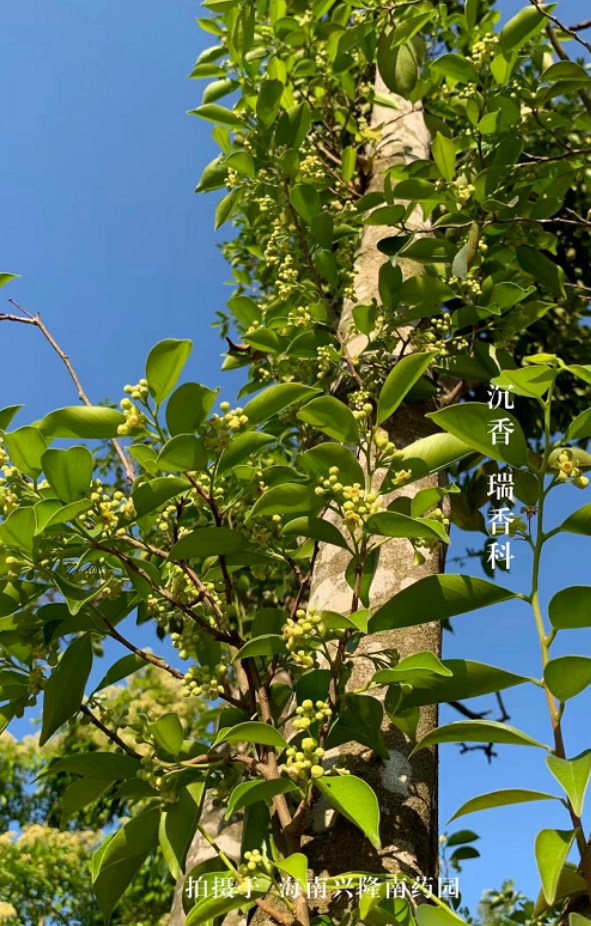
First, it must be a plant of one of the four specific families and genera: Burseraceae, Lauraceae, Thymelaeaceae, and Euphorbiaceae.
Second, the trunk must contain mature and well-developed resin glands (usually trees thirty years or older).
Third, the tree must have had a wound deep into the trunk's xylem, possibly caused by axes, natural forces, or insects and ants; if the wound heals quickly, no resin formation will occur.
Fourth, the trunk wound must be infected by mold; the tissue around the wound begins to fester due to infection, and the sap in the sap channels is thereby stimulated and transformed into a paste-like resinous mass that seals off the surrounding tissue, preventing the festering from worsening and spreading. This resinous mass, or the affected cortical parts around it, is called agarwood skin.
Fifth, in terms of formation, agarwood exhibits many different scent variations due to different tree species, different natural environments, and different microbial stimuli; from a chemical perspective, these variations are respectively: agarospirol, agarwood acetate, as well as: phosphoaminobenzoic acid agarwood ester, benzoic acid agarwood ester, isobutyric acid agarwood ester, n-butyric acid agarwood ester, cinnamic acid agarwood ester.
[Efficacy and uses of agarwood]
1. Incense making: Agarwood is the most common offering incense; it has the effects of dispelling impurities and spreading fragrance, repelling insects and warding off evil, and focusing the mind and clearing the spirit. Its scent is especially soft and sweet, conducive to concentrating the mind, and can also help circulate qi and enter meditative absorption.
2. Buddhist worship: Agarwood is a fragrant substance symbolizing the pure precepts upheld by practitioners. For example, in the Buddhist sutra on the virtue of precepts and fragrance, the Buddha used fragrance as a metaphor for the fragrance of upholding precepts, which is unaffected by favorable or adverse winds and can pervade the ten directions.
3. Medicinal use: Agarwood is an aromatic, stomach-strengthening carminative medicine, mainly pungent and dispersing, with notable efficacy among warming-stomach and qi-moving medicines. It is particularly effective for counterflow asthma, and is also effective for urinary retention, neurotic depression, and gastric colic.
4. Oil extraction: Agarwood essential oil has a fresh and unique taste and possesses healthcare benefits; it is a good sedative, with a deep and condensed aroma that lingers, refreshing the mind, and can lower lipids and calm the liver, regulate the spleen and lungs, and benefit the chest and stomach.
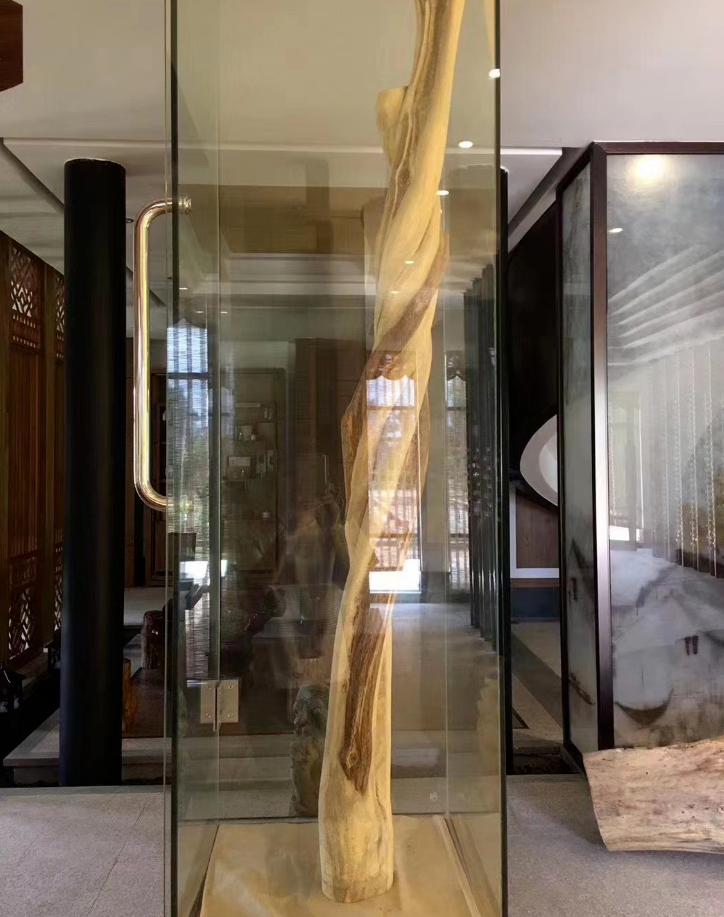
5. House protection: Agarwood is such a precious and rare treasure, and after more than a century of erosion, its naturally wondrous forms—strange shapes, endlessly varied, each with a different character—and the fact that good agarwood is increasingly hard to obtain, make it something people treasure and appreciate, and even regard as a treasure for offerings and protecting the home.
6. Aromatherapy: Aromatherapy also has direct healing effects on the body; for example, dispelling misfortune, antibacterial action, calming, soothing, and anti-allergy can be improved through self-application.
[Hainan people's use of fragrance has a long history]
Hainan has produced spices since ancient times, and its history of fragrance use can be traced back to the Han Dynasty, when spices were offered as tribute to the imperial court. The person who brought Hainan spices across the Qiongzhou Strait into the imperial palace was a remarkable Hainan stateswoman and military leader: Lady Xian!
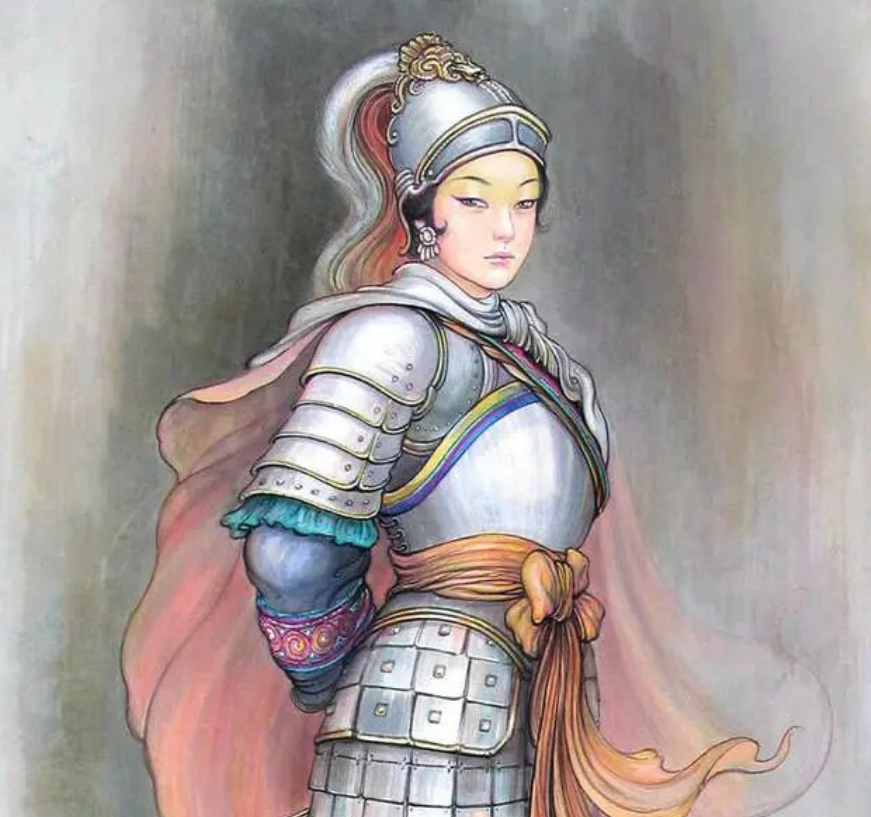
Lady Xian lived through the Liang, Chen, and Sui dynasties, assisting each court in governing Lingnan, and devoted her life to national unity and ethnic solidarity. In the Yazhou region, the land is damp and miasma is heavy, and illness was common. Legend has it that when the soldiers of the "Xian family army" marched and fought, each carried a sachet containing medicine made from agarwood, which could both ward off miasma and treat battle wounds, making the "Xian army" invincible.
Lady Xian carried forward the Maritime Silk Road developed by her predecessors; in commercial activities, agarwood occupied a large proportion, mainly sold to Guangdong, Japan, and Korea. Her family dominated Lingnan and Yazhou, and as the highest local leaders, Hainan agarwood was the family's most presentable "gift."
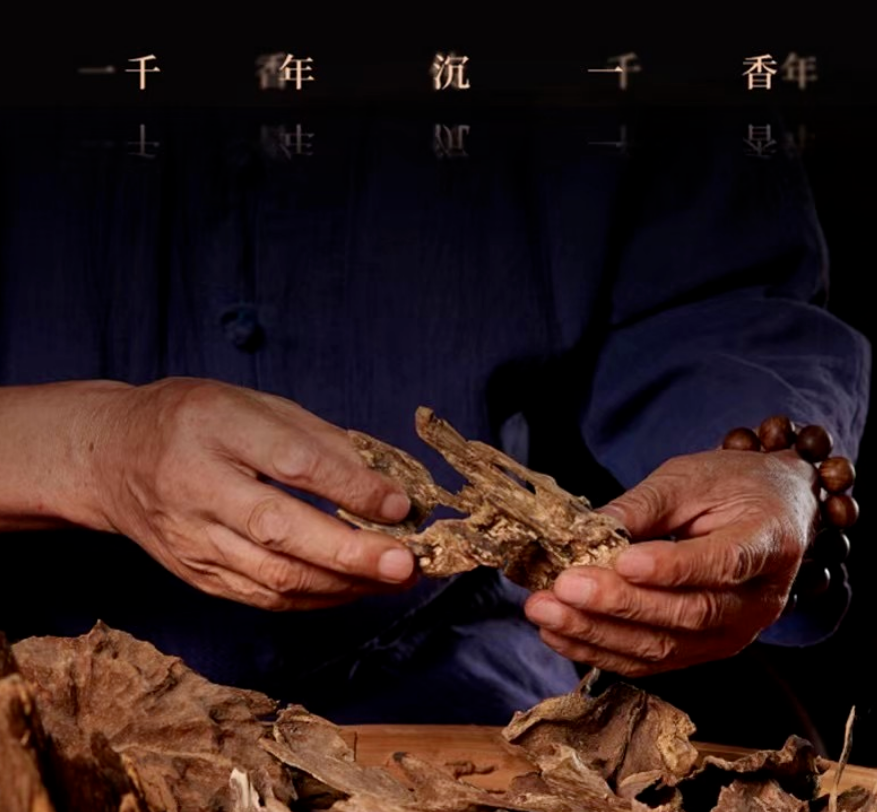
By the Tang and Song dynasties, Hainan agarwood was already quite well known; Song Dynasty historical records listed agarwood in the foremost position among Hainan's specialties. During this period, agarwood evolved from a tribute item into a commodity, and folk use of fragrance became more widespread. For example, in the Li and Miao areas of Hainan Island, if agarwood collectors go into the mountains to collect agarwood, they must first worship the mountain god and then seek permission from the clan chief before they can enter the mountains with the locals. And if locals have stomachaches, indigestion, or headaches and fevers, they give a tiny bit of agarwood oil to hold in the mouth, or boil it in water and drink it, and they quickly recover.
This article was compiled by "Chenxiang123"; original source: https://www.chenxiang123.com/chen-xiang-shi-jie-shang-zui-xiang-de-shu/
Compiled for general knowledge; traditional references are cultural notes, not medical advice.
Frequently Asked Questions
What is Agarwood?
Agarwood, the world's most fragrant tree. Hainan's fourth tree—agarwood. When you think of Hainan, what comes to mind? Hainan is home to the world's largest flower-shaped artificial island (Ocean Flower Island)…
How should I choose agarwood?
Buy from traceable, testable channels and match the form (incense, beads, raw wood) to your use. Avoid exaggerated claims such as "wild" or "sinking grade" without proof, and prefer products with lab reports and origin documentation.
How should agarwood be stored and maintained?
Agarwood dislikes moisture, odours and direct sunlight. Keep it sealed, dark and cool, store different origins separately, and air and inspect long-stored pieces periodically against mould and insects.
How can I tell real agarwood from fake?
Authentication combines sensory checks with technical ones: natural agarwood has a clean, long-lasting, cool-sweet scent and burns with pale, non-pungent smoke. GC-MS analysis of characteristic compounds (chromones, sesquiterpenes) adds objective confirmation. Buying through traceable channels with certificates lowers the risk.
How do agarwood origins differ?
Climate, tree species and resin-induction methods give each origin a distinct scent profile — for example Hainan tends to be clean and elegant, Vietnam sweet and cool, Indonesia deep and full. Origin is a key factor in grading and pricing.
What is the current agarwood market like?
Prices diverge sharply by resin density, origin and form, with both top-end collectibles and entry-level consumer products active. Use actual transactions from legal, testable channels as reference rather than a single quotation.
What is the relationship between agarwood and incense culture?
Agarwood is the core medium of East Asian incense culture, spanning temple offerings, literati gatherings and contemporary lifestyle aesthetics. Understanding this cultural background helps explain its value.
Does agarwood have health benefits?
Traditionally agarwood has been used for calming and sleep-related rituals, but evidence quality and dosage need careful reading. Keep traditional use and scientific evidence clearly separated and follow professional guidance.
参考资料
You may also like
评论区
评论匿名可浏览,登录后可发表;提交后先审后显。
评论加载中…