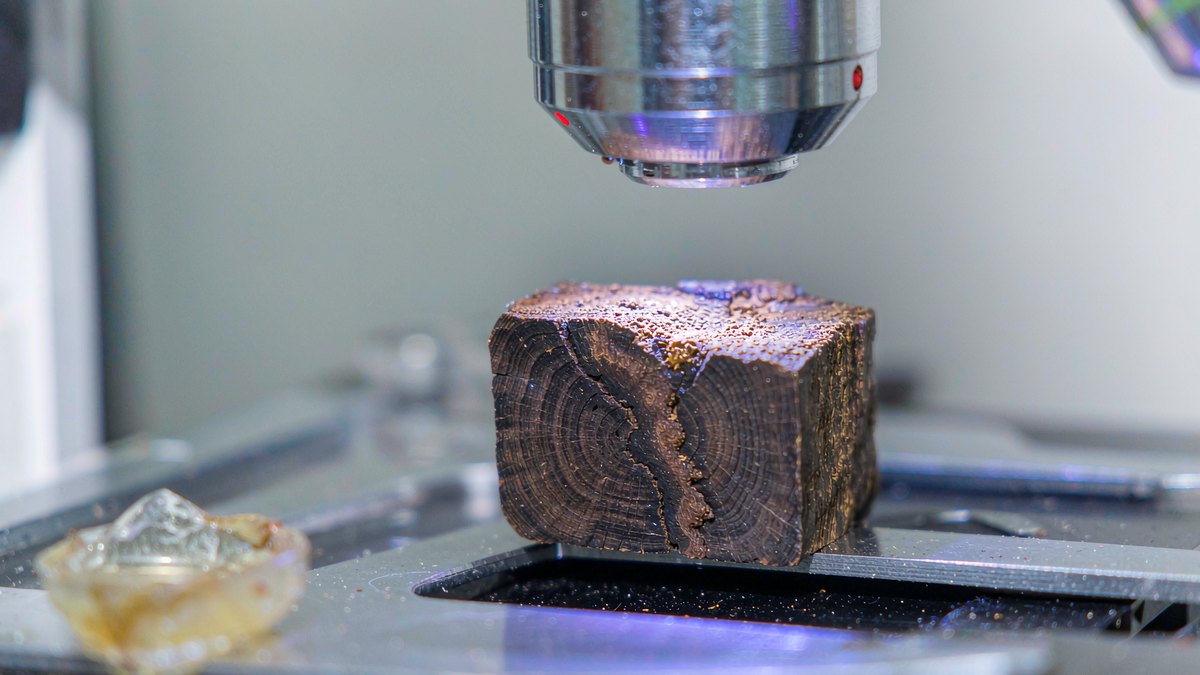
2025 China Cultivated Agarwood Development Status
As the global economy grows, demand for agarwood keeps rising, making cultivated agarwood the main source of raw material. Below, China Agarwood Network presents the current state of cultivated agarwood development in China.

China is a signatory to the Convention on International Trade. Agarwood in China is rare and in short supply, and in the past it relied on imports. In Guangdong, especially in 1997, the year of Hong Kong's return, the Maoming Dianbai Agarwood Mountain certified our finest variety and planted it on a large scale. This variety is the finest of our wild agarwood. Through selection of this variety, an even better incense has now been selected: qinan agarwood, which in Maoming is also called Maoming's geo-authentic medicinal material, Canaan incense.
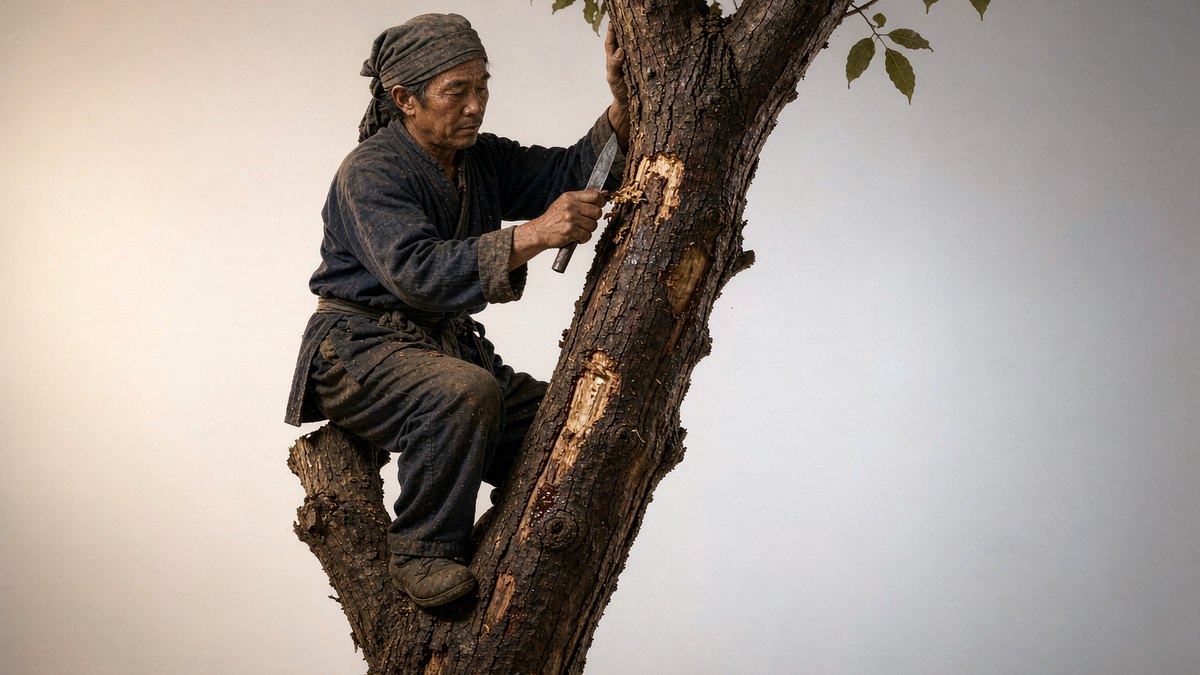
In 1960, the National Ministry of Health, also the People's Medical Publishing House, confirmed this variety in our medicinal agarwood: Maoming Canaan incense. Because so much agarwood has been planted, converted from wild to cultivated, across large areas of barren hills and wild lands in Guangdong, western Guangdong, and eastern Guangdong, including the areas around Guangzhou, many eucalyptus forests have been converted and planted with agarwood. At present, about 1.5 million to 2 million mu have been planted. In Guangdong the total is about 800,000 mu, in Fujian an estimated 300,000 mu, in Guangxi an estimated 500,000 mu, in Yunnan perhaps 200,000 mu, and in Hainan also around 300,000 mu. With the agarwood industry now so large, what is the most debated question in our market: what is agarwood?
What is qinan? Clearly, in market circulation, agarwood has well carried forward our Chinese traditional medicine and materia medica culture, and in incense culture the agarwood varieties are known to every household. But the finest variety, qinan, that is, Canaan incense, as spoken of in past culture, was thought to require three lifetimes of good fortune and accumulated virtue simply to see qinan or taste qinan. Today, in Guangdong, under the development led by incense farmers in western Guangdong, we have been able to lead and spearhead industrialization and plant so many fine cultivated varieties. Qinan and agarwood benefit humanity and the market. Today, our Guangzhou Youyuan Workshop in Huadu is again able to industrially produce our incense utensils.

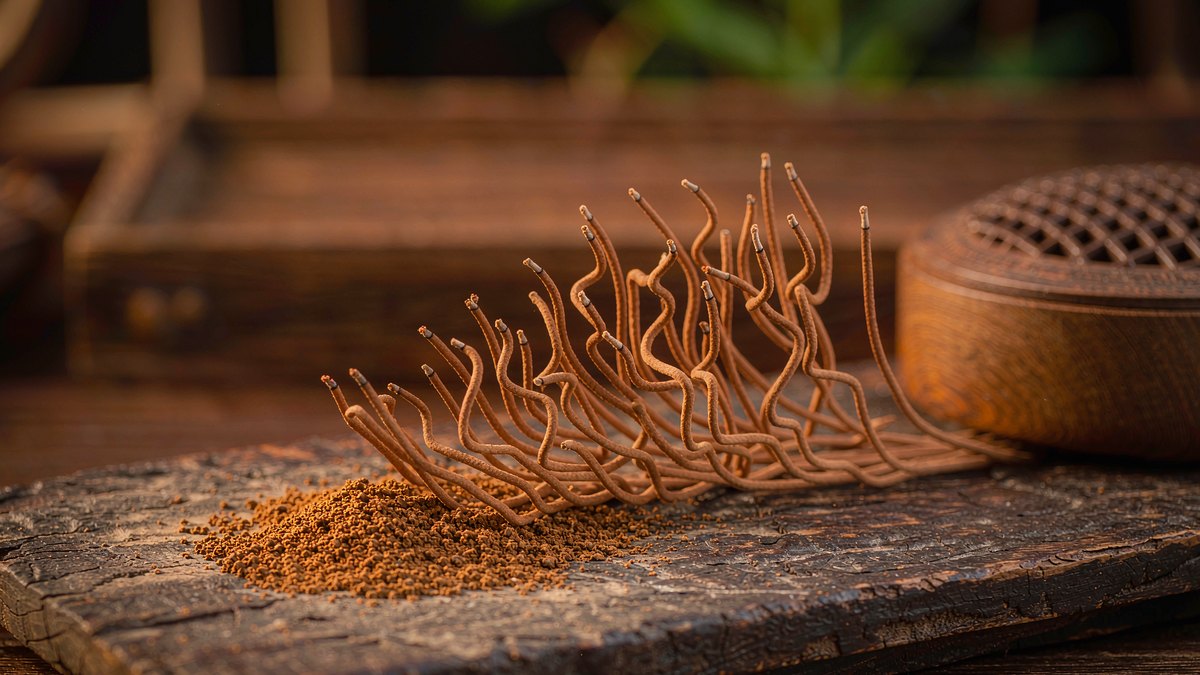
To promote our Chinese national culture, and for our aromatherapy and fragrant living to reach every household, and for our future health, planting agarwood trees on barren hills and wild lands also embodies the old saying that predecessors plant trees so later generations enjoy the shade, and further reflects the Two Mountains theory advocated by our country. Planting agarwood is transforming nature into mountains of gold and silver. At the same time, our ecological, low-carbon, and environmentally friendly approach further extends the medicinal value of agarwood, along with fragrant living and our cultural and creative agarwood products, and more importantly religious agarwood products, as well as the 5,000-year history of incense culture that our country most advocates carrying forward, with incense continuing unbroken. Qin, chess, calligraphy, painting, tea, incense, and flowers, including wine, can all use our agarwood.
So today, as part of national rural revitalization, the development of the agarwood planting industry is very timely, truly enabling us to find this money tree, agarwood.
This article was compiled by "China Agarwood Network"; original source: https://www.chenxiang123.com/2025-cihna-zhongzhi-chenxiang-xianzhuang/
Compiled for general knowledge; traditional references are cultural notes, not medical advice.
Frequently Asked Questions
What is 2025 China Cultivated Agarwood Development Status?
As the global economy grows, demand for agarwood keeps rising, making cultivated agarwood the main source of raw material. China Agarwood Network presents the current state of cultivated agarwood in China.
How should I choose agarwood?
Buy from traceable, testable channels and match the form (incense, beads, raw wood) to your use. Avoid exaggerated claims such as "wild" or "sinking grade" without proof, and prefer products with lab reports and origin documentation.
How should agarwood be stored and maintained?
Agarwood dislikes moisture, odours and direct sunlight. Keep it sealed, dark and cool, store different origins separately, and air and inspect long-stored pieces periodically against mould and insects.
How can I tell real agarwood from fake?
Authentication combines sensory checks with technical ones: natural agarwood has a clean, long-lasting, cool-sweet scent and burns with pale, non-pungent smoke. GC-MS analysis of characteristic compounds (chromones, sesquiterpenes) adds objective confirmation. Buying through traceable channels with certificates lowers the risk.
How do agarwood origins differ?
Climate, tree species and resin-induction methods give each origin a distinct scent profile — for example Hainan tends to be clean and elegant, Vietnam sweet and cool, Indonesia deep and full. Origin is a key factor in grading and pricing.
What is the current agarwood market like?
Prices diverge sharply by resin density, origin and form, with both top-end collectibles and entry-level consumer products active. Use actual transactions from legal, testable channels as reference rather than a single quotation.
What is the relationship between agarwood and incense culture?
Agarwood is the core medium of East Asian incense culture, spanning temple offerings, literati gatherings and contemporary lifestyle aesthetics. Understanding this cultural background helps explain its value.
Does agarwood have health benefits?
Traditionally agarwood has been used for calming and sleep-related rituals, but evidence quality and dosage need careful reading. Keep traditional use and scientific evidence clearly separated and follow professional guidance.
参考资料
You may also like
评论区
评论匿名可浏览,登录后可发表;提交后先审后显。
评论加载中…