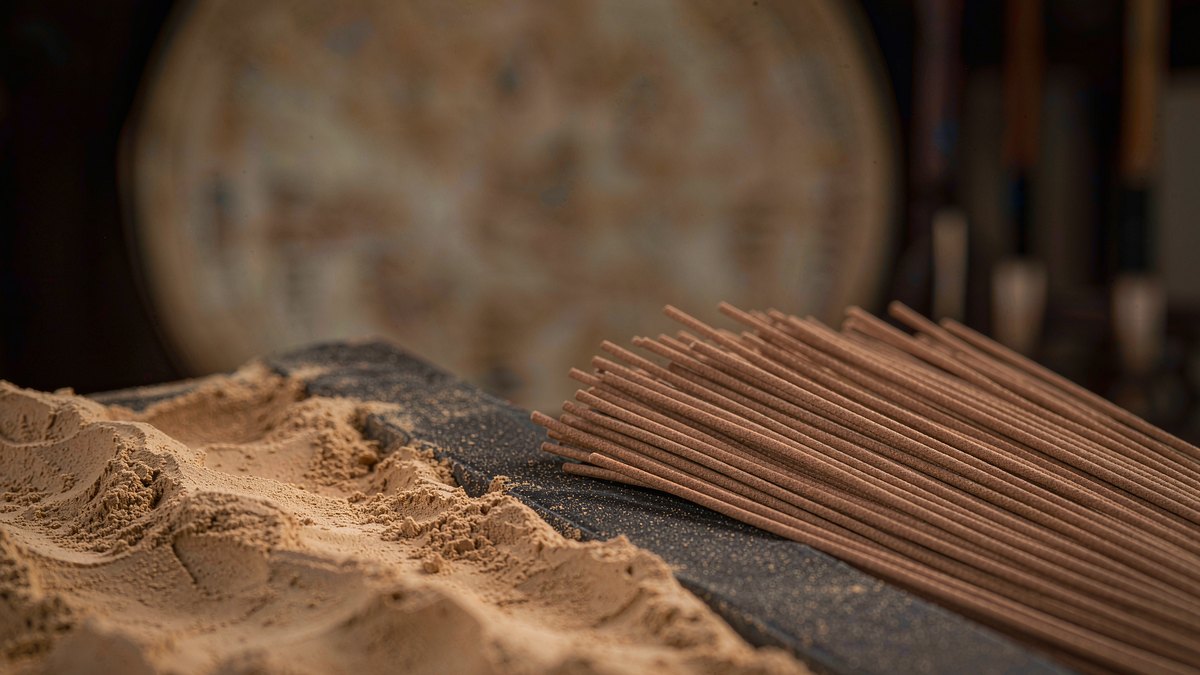
Agarwood in the 2025 Edition of the Chinese Pharmacopoeia
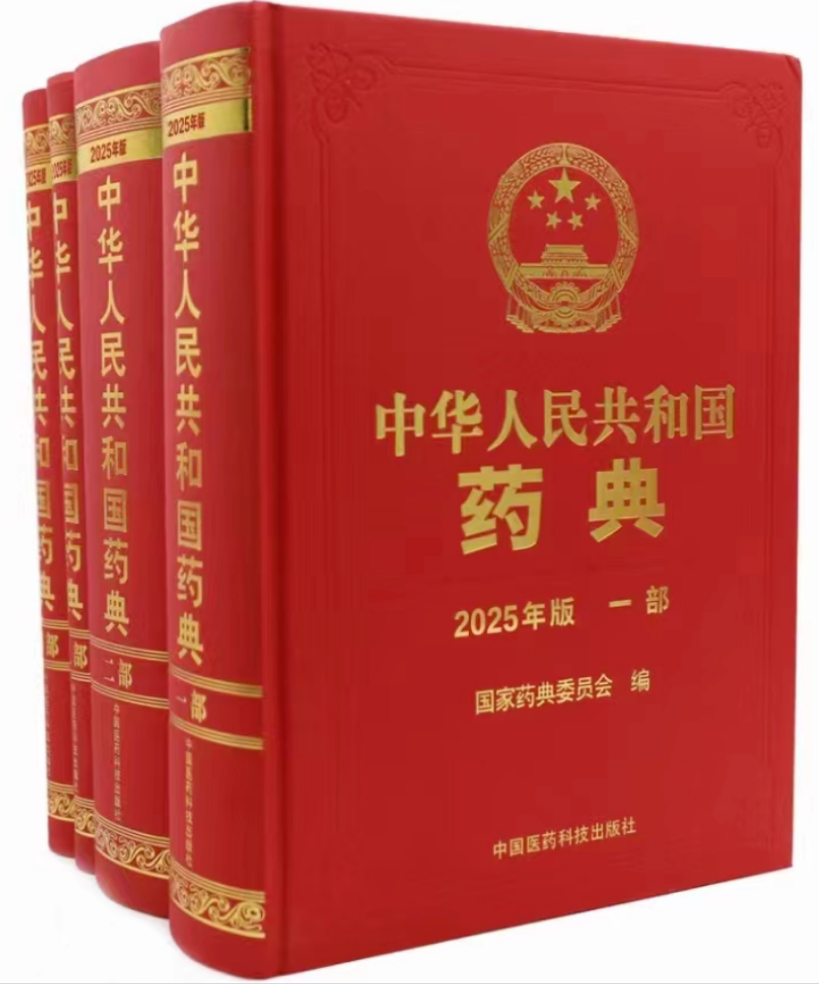
The 2025 edition of the Pharmacopoeia of the People's Republic of China was promulgated in March 2025 and officially took effect on October 1 of the same year. Editions of the Chinese Pharmacopoeia have been released over the years as follows: 1953 (first edition), 1963, 1977, 1985, and every five years thereafter, reaching the twelfth edition (2025 edition) to date. As the legal basis for drug research and development, production, distribution, use, and supervision, the Chinese Pharmacopoeia has been optimized in many aspects, including variety inclusion, standard improvement, and technical requirements. Below, Chenxiang123 provides a detailed explanation of the Chinese Pharmacopoeia's introduction to agarwood.
In the long river of Chinese culture, agarwood is both a sacred wood carrying myths and a healing medicine. Its name derives from the characteristic of "resin condensing and sinking to the bottom when placed in water." Since ancient times it has been closely intertwined with myths and legends, and it also occupies an important position in traditional Chinese medical texts.
I. The Story of Chenxiang Saving His Mother
In mythology, Chenxiang, the child born of the scholar Liu Yanchang and San Niang of Mount Hua, split the mountain with a divine axe to rescue his mother, who was imprisoned beneath Mount Hua. At the end of the story, Chenxiang transforms into a sacred tree of the South China Sea; the name "Chenxiang" also originates from the ancestral South China Sea agarwood wood given by his father, symbolizing filial piety and perseverance. This legend is widely circulated among the people and has become a vivid footnote to the culture of filial piety.
II. Medicinal Value of Agarwood
Li Shizhen of the Ming Dynasty recorded in the Compendium of Materia Medica: "Agarwood is pungent in flavor, slightly warm, and non-toxic. It has the effects of descending qi, consolidating the kidneys, warming the middle, and clearing the liver." It is used to treat "upper heat and lower cold, qi counterflow and panting, deficiency-type constipation, qi strangury with difficult urination, and cold sperm in men."
III. What Is Agarwood?
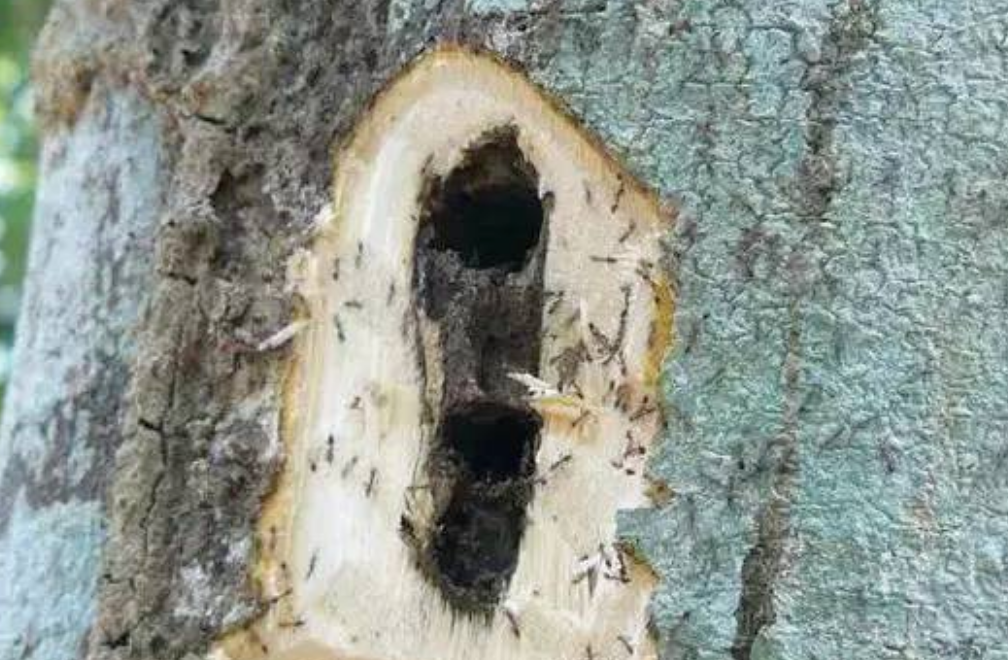
Modern research shows that agarwood forms when an agarwood tree is wounded by lightning, humans, insects, or other animals; the wound becomes infected by fungi, and volatile organic resin rich in aromatic compounds forms in the xylem. Wood containing these resins is called agarwood.
Agarwood is a solid condensate that mixes gum, resin, volatile oil, wood, and other components; it is a crystallized substance produced by aromatic trees due to external pathological changes. The secretions produced by certain aromatic trees when their stems are injured require years of accumulation under various external conditions before fragrant material can form.
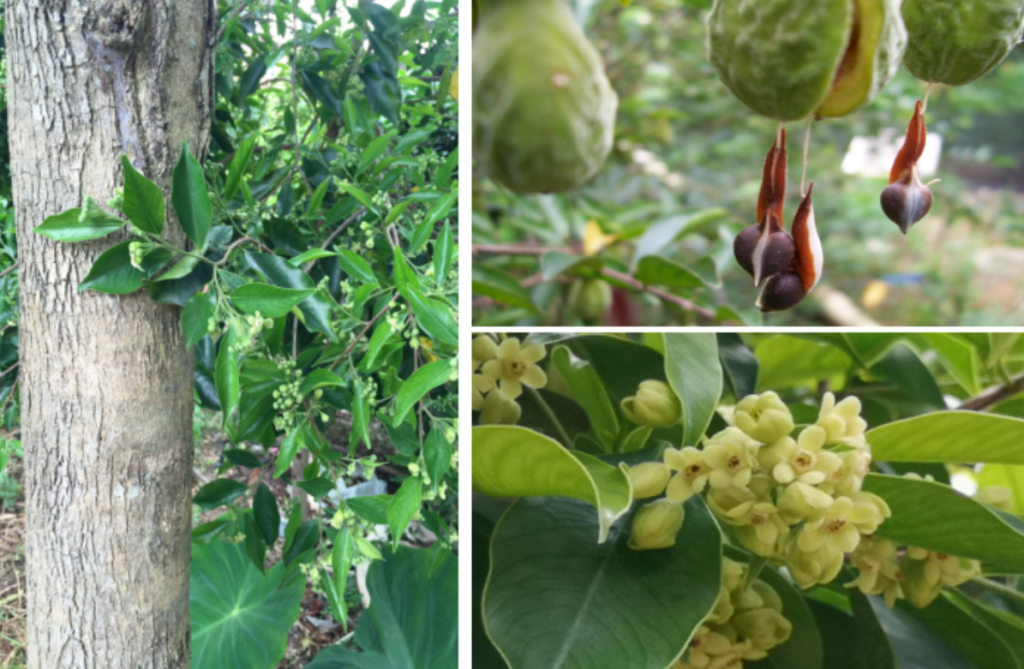
Agarwood in the 2025 edition of the Chinese Pharmacopoeia is the resin-containing wood of Aquilaria sinensis (Lour.) Gilg, a plant of the Thymelaeaceae family. The product is in irregular blocks, flakes, or helmet-like shapes, some as small fragments. The surface is uneven, with knife marks and occasionally holes; alternating streaks of dark brown resin and yellowish-white wood are visible, and the surfaces of holes and depressions are mostly decayed-wood-like. The texture is relatively solid, and the fracture surface is splintery. It has a fragrant odor and a bitter taste.
IV. Current Status of Agarwood as a Medicinal Material
Due to its unique formation mechanism, wild agarwood resources are very scarce.
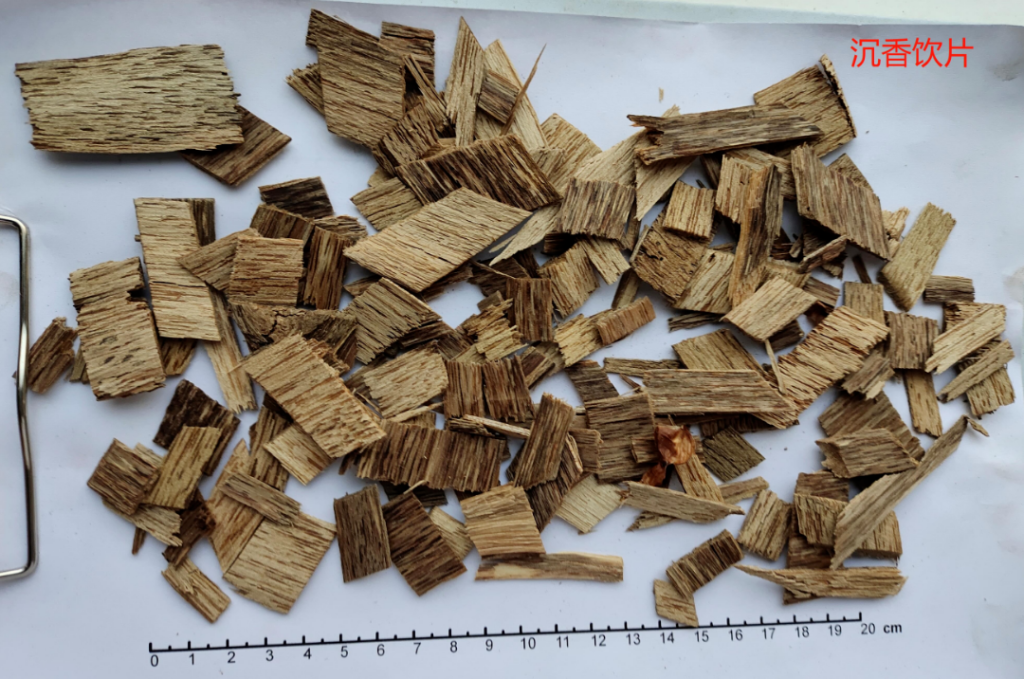
Most agarwood currently circulating on the market is produced by artificial means, in which the tree body is wounded to induce resin formation.
This article was compiled by "Chenxiang123". Original source: https://www.chenxiang123.com/2025-china-yaodian-chenxiang/
Compiled for general knowledge; traditional references are cultural notes, not medical advice.
Frequently Asked Questions
What is Agarwood in the 2025 Edition of the Chinese Pharmacopoeia?
The 2025 edition of the Pharmacopoeia of the People's Republic of China was promulgated in March 2025 and took effect on October 1, 2025. This article explains the Pharmacopoeia's description of agarwood.
How should I choose agarwood?
Buy from traceable, testable channels and match the form (incense, beads, raw wood) to your use. Avoid exaggerated claims such as "wild" or "sinking grade" without proof, and prefer products with lab reports and origin documentation.
How should agarwood be stored and maintained?
Agarwood dislikes moisture, odours and direct sunlight. Keep it sealed, dark and cool, store different origins separately, and air and inspect long-stored pieces periodically against mould and insects.
How can I tell real agarwood from fake?
Authentication combines sensory checks with technical ones: natural agarwood has a clean, long-lasting, cool-sweet scent and burns with pale, non-pungent smoke. GC-MS analysis of characteristic compounds (chromones, sesquiterpenes) adds objective confirmation. Buying through traceable channels with certificates lowers the risk.
How do agarwood origins differ?
Climate, tree species and resin-induction methods give each origin a distinct scent profile — for example Hainan tends to be clean and elegant, Vietnam sweet and cool, Indonesia deep and full. Origin is a key factor in grading and pricing.
What is the current agarwood market like?
Prices diverge sharply by resin density, origin and form, with both top-end collectibles and entry-level consumer products active. Use actual transactions from legal, testable channels as reference rather than a single quotation.
What is the relationship between agarwood and incense culture?
Agarwood is the core medium of East Asian incense culture, spanning temple offerings, literati gatherings and contemporary lifestyle aesthetics. Understanding this cultural background helps explain its value.
Does agarwood have health benefits?
Traditionally agarwood has been used for calming and sleep-related rituals, but evidence quality and dosage need careful reading. Keep traditional use and scientific evidence clearly separated and follow professional guidance.
参考资料
You may also like



评论区
评论匿名可浏览,登录后可发表;提交后先审后显。
评论加载中…