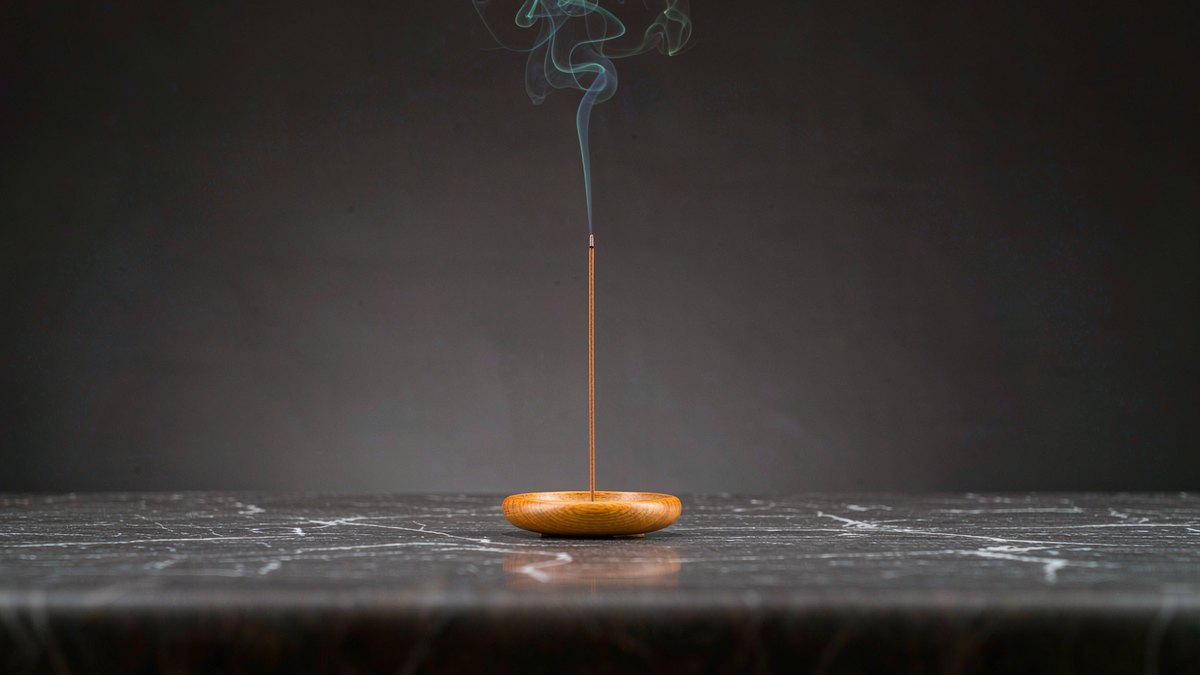
Agarwood Mountain Group (Dianbai, Guangdong): A Model Planting Base in China's Hometown of Agarwood
The beginnings of the "Agarwood Mountain" brand
The "Agarwood Mountain" brand was founded by Wang Keyuan, honorary chairman of the Dianbai District Agarwood Federation and chairman of the Dianbai District Agarwood Association. In 1997, he invested more than 20 million yuan in his hometown of Pankeng Village, Guanzhu Town, Dianbai, to build an 8,000-mu "Agarwood Mountain" agarwood GAP planting base, becoming one of the earliest entrepreneurs to cultivate agarwood on a large scale artificially in Dianbai. As qinan technology matured, the planting area gradually expanded to 35,000 mu, making it the largest agarwood planting demonstration base in China to date.
The qinan technology that rewrote the industrialization bottleneck
Around 2013, Dianbai innovated qinan agarwood grafting and incense-making technology, enabling qinan to be drilled at 3 years and harvested with resin formation at 5 years, greatly raising the resin formation rate. This rewrote the history of agarwood's difficult and slow resin formation, turning agarwood from a rare material into mass-produced output and breaking through the bottleneck of Dianbai's agarwood industrialization.
An industrial chain integrating the three sectors
Centering on the planting, processing, distribution, collection, medicinal use, cultural creativity and health industries related to agarwood trees, Agarwood Mountain Group has built a complete "three-sector integration" industrial chain cluster. Products include agarwood incense sticks, ornaments, essential oils, display pieces, tea and paste, and the annual output value of this industrial chain exceeds 1 billion yuan. Dianbai, as "China's Hometown of Agarwood," currently has more than 140,000 mu of planting area, nearly 8,000 agarwood enterprises (including cooperatives and self-employed households), and an annual output value of nearly 8 billion yuan.
Source: "Nanfang" magazine, "How Can a 'Small Specialty' Become a 'Big Industry'—Exploring the Industrial Development Code of 'China's Hometown of Agarwood.' This article was compiled and translated by "China Agarwood Network."
This is a company profile compiled from public sources and official disclosures; refer to the original sources for accuracy.
Frequently Asked Questions
What is Agarwood Mountain Group (Dianbai, Guangdong)?
Founded by Wang Keyuan, Agarwood Mountain built an 8,000-mu agarwood GAP base in Dianbai in 1997, now expanded to 35,000 mu, the largest agarwood planting demonstration base in China; in 2013 it pioneered qinan grafting and incense-making technology, breaking the industrialization bottleneck.
How should I choose agarwood?
Buy from traceable, testable channels and match the form (incense, beads, raw wood) to your use. Avoid exaggerated claims such as "wild" or "sinking grade" without proof, and prefer products with lab reports and origin documentation.
How should agarwood be stored and maintained?
Agarwood dislikes moisture, odours and direct sunlight. Keep it sealed, dark and cool, store different origins separately, and air and inspect long-stored pieces periodically against mould and insects.
How can I tell real agarwood from fake?
Authentication combines sensory checks with technical ones: natural agarwood has a clean, long-lasting, cool-sweet scent and burns with pale, non-pungent smoke. GC-MS analysis of characteristic compounds (chromones, sesquiterpenes) adds objective confirmation. Buying through traceable channels with certificates lowers the risk.
How do agarwood origins differ?
Climate, tree species and resin-induction methods give each origin a distinct scent profile — for example Hainan tends to be clean and elegant, Vietnam sweet and cool, Indonesia deep and full. Origin is a key factor in grading and pricing.
What is the current agarwood market like?
Prices diverge sharply by resin density, origin and form, with both top-end collectibles and entry-level consumer products active. Use actual transactions from legal, testable channels as reference rather than a single quotation.
What is the relationship between agarwood and incense culture?
Agarwood is the core medium of East Asian incense culture, spanning temple offerings, literati gatherings and contemporary lifestyle aesthetics. Understanding this cultural background helps explain its value.
Does agarwood have health benefits?
Traditionally agarwood has been used for calming and sleep-related rituals, but evidence quality and dosage need careful reading. Keep traditional use and scientific evidence clearly separated and follow professional guidance.
Related enterprises
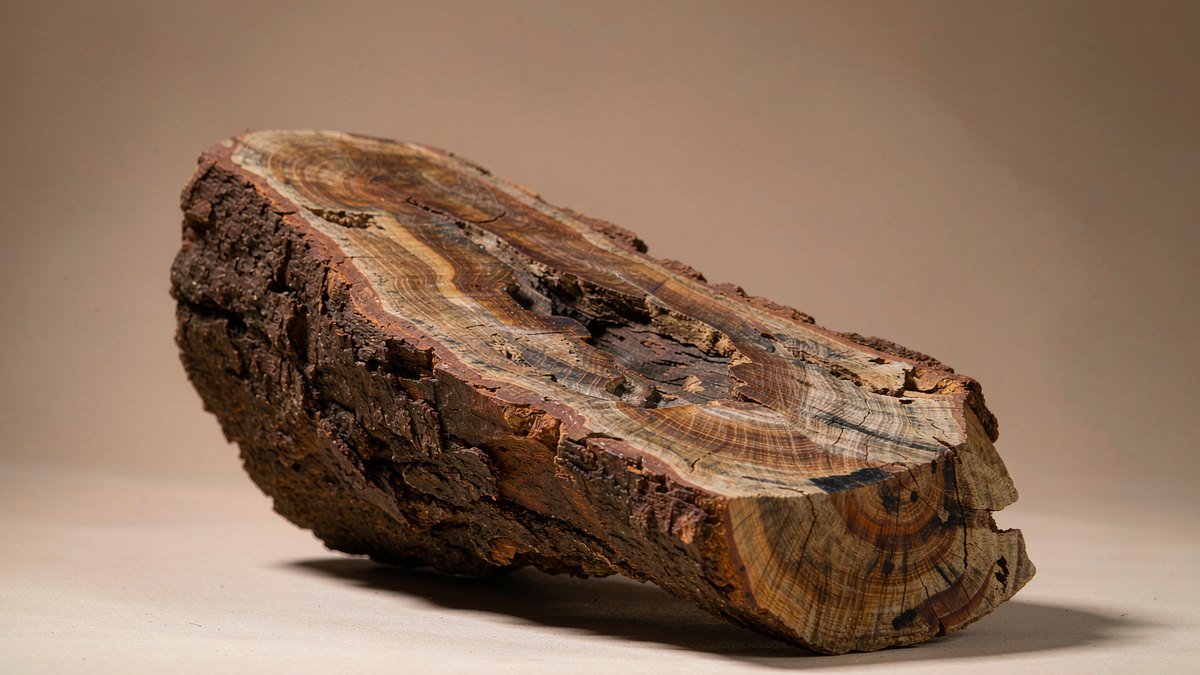
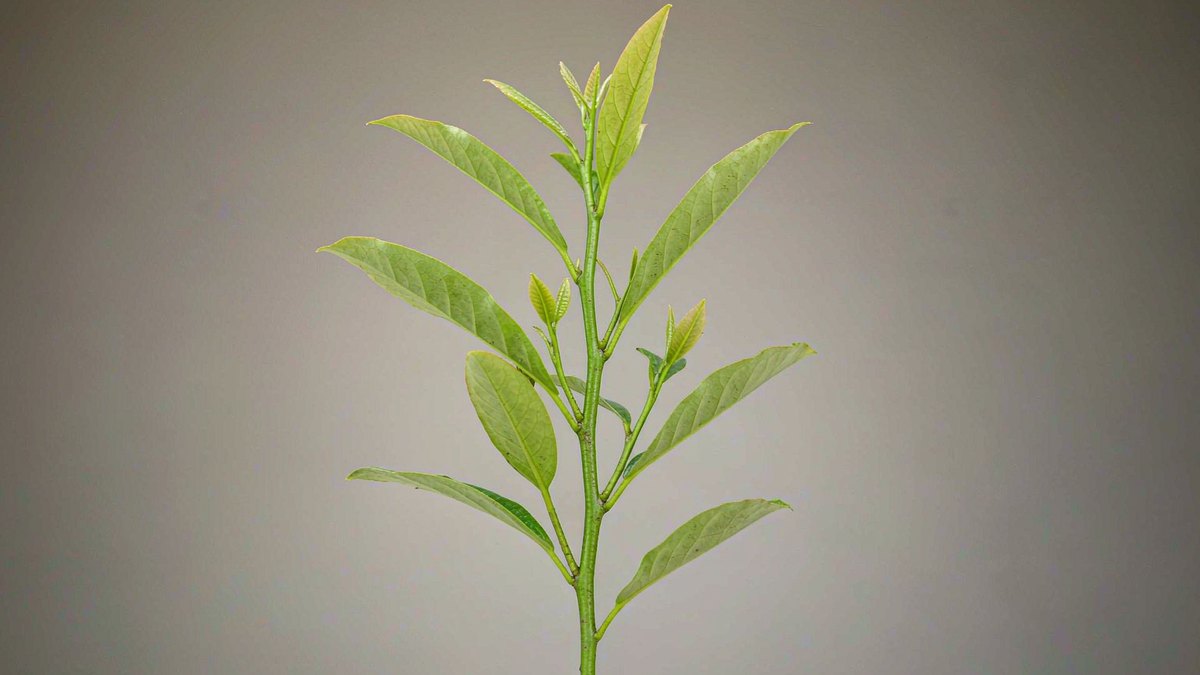
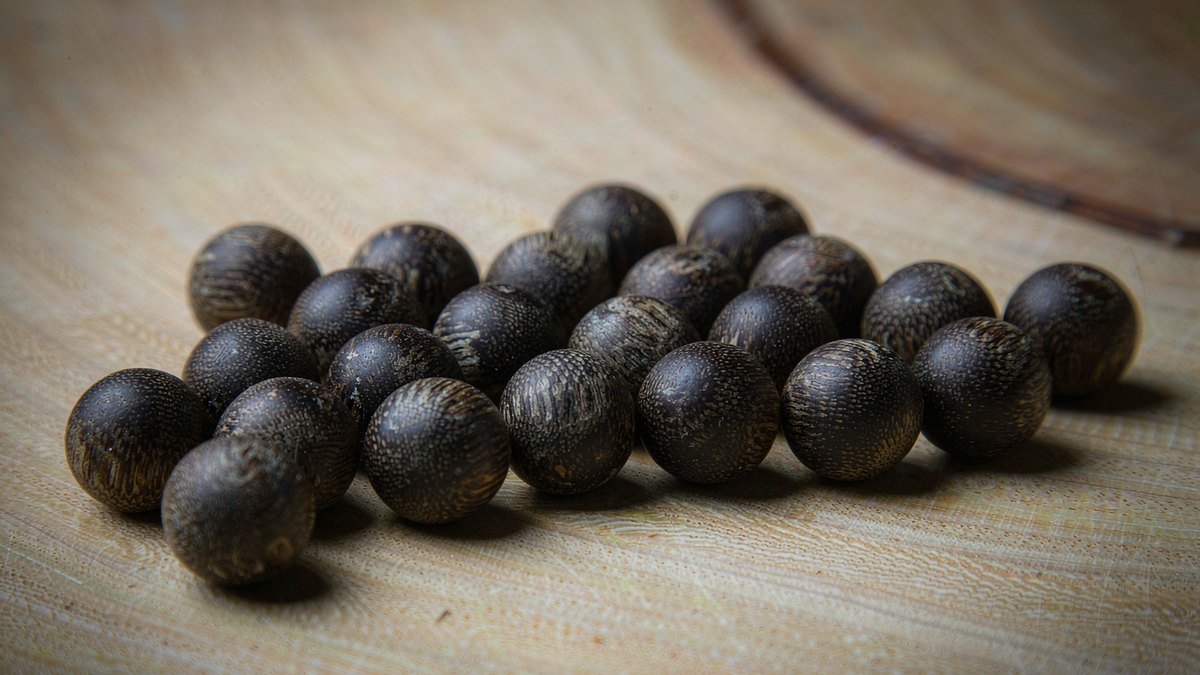
评论区
评论匿名可浏览,登录后可发表;提交后先审后显。
评论加载中…